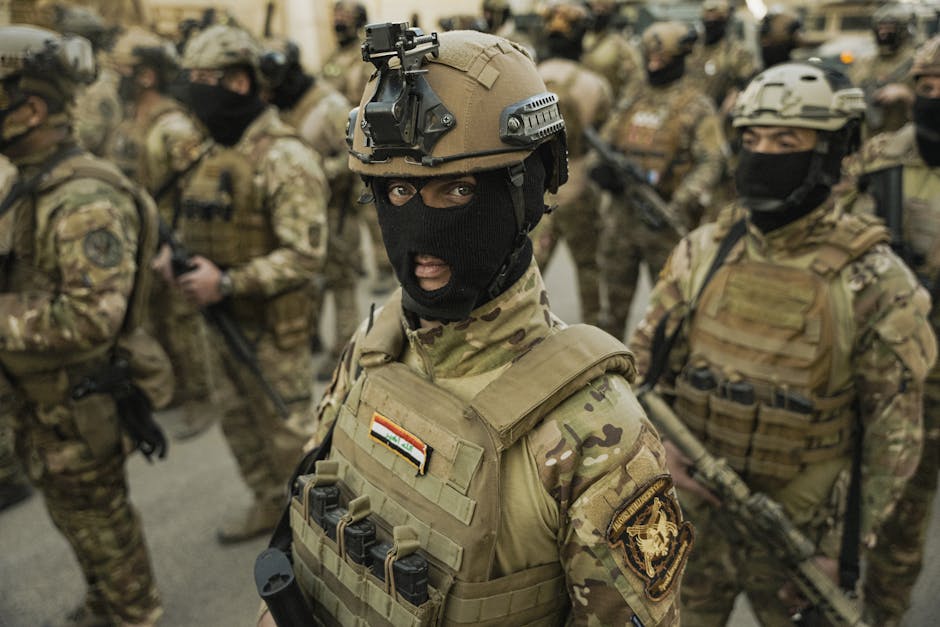
- The US has increased pressure on Iraq to distance itself from Iran due to rising tensions between Washington and Tehran.
- Iran-backed militias in Iraq have carried out numerous attacks on American personnel and sites, causing casualties and stability concerns.
- The US demands Iraq dismantle these militias, which have operated with impunity, to achieve regional peace and stability.
- Iraq’s close ties with Iran have been strengthened through economic and military cooperation in recent years.
- The US seeks to counter Iran’s expanding influence in the Middle East, particularly in Iraq.
The United States has significantly increased its pressure on Iraq to distance itself from Iran, amidst rising tensions between Washington and Tehran. A striking fact is that over the past year, Iran-backed Iraqi militias have been responsible for numerous attacks on American personnel and sites in Iraq, resulting in several casualties and heightened concerns over regional stability. This surge in attacks has prompted the U.S. to demand that the Baghdad government take concrete steps to dismantle these militias, which have been operating with relative impunity in the country. The U.S. sees these militias as a major obstacle to achieving peace and stability in the region and is insisting that Iraq must take decisive action to address this issue.
Background to the Crisis

The current crisis has its roots in the complex web of alliances and rivalries that have developed in the Middle East over the past few decades. Iraq, which shares a long border with Iran, has historically had close ties with its neighbor, and these ties have been strengthened in recent years through economic and military cooperation. However, the U.S. has long been wary of Iran’s growing influence in the region and has been seeking to counter its expanding reach. The recent attacks on American targets in Iraq have brought this issue to a head, with Washington demanding that Baghdad take action to prevent further violence and distance itself from Tehran. This matter is of utmost importance now because the stability of the entire region hangs in the balance, and any miscalculation could have far-reaching and devastating consequences.
Key Details of the Conflict

The conflict between the U.S. and Iran-backed militias in Iraq has been escalating over the past few months, with several key incidents highlighting the deteriorating situation. In recent weeks, there have been numerous rocket attacks on American military bases and diplomatic missions in Iraq, resulting in several casualties and significant damage. The U.S. has attributed these attacks to Iran-backed militias, which have been operating in the country with the tacit approval of the Iraqi government. Washington has responded to these attacks with airstrikes against militia targets, further escalating the situation and prompting fears of a wider conflict. The key players involved in this conflict include the U.S., Iran, and the Iraqi government, each with its own set of interests and motivations that are driving the current crisis.
Analysis of the Situation
An analysis of the situation reveals that the causes of the conflict are complex and multifaceted. The U.S. sees Iran’s growing influence in Iraq as a major threat to its regional interests and is seeking to counter it through a combination of military and diplomatic means. Iran, on the other hand, views its ties with Iraq as a vital component of its regional strategy and is determined to maintain its influence in the country. The Iraqi government is caught in the middle, seeking to balance its relationships with both the U.S. and Iran while maintaining stability and security within its borders. According to experts, the effects of this conflict could be far-reaching, with the potential to destabilize the entire region and draw in other regional players. Data suggests that the conflict is already having a significant impact on the regional economy, with trade and investment flows being disrupted and the potential for further instability on the horizon.
Implications of the Crisis
The implications of the crisis are significant, with the potential to affect a wide range of stakeholders. The Iraqi people are likely to be the most affected, as the conflict has the potential to destabilize the country and disrupt the fragile peace that has been established in recent years. The U.S. and Iran are also likely to be impacted, as the conflict has the potential to escalate into a wider regional war. The international community is also watching the situation with concern, as the conflict has the potential to disrupt global energy supplies and have a significant impact on the global economy. According to reports, the United Nations is already working to establish a dialogue between the parties involved, in an effort to prevent further escalation and find a peaceful resolution to the crisis.
Expert Perspectives
Experts have differing viewpoints on the current crisis, with some arguing that the U.S. is taking a too aggressive approach and others arguing that it is not doing enough to counter Iran’s influence. Some experts believe that the U.S. should be working more closely with the Iraqi government to address the root causes of the conflict, rather than simply relying on military means. Others argue that the U.S. needs to take a more robust approach to countering Iran’s influence, including through the use of economic sanctions and other forms of pressure. Despite these differing viewpoints, there is a general consensus that the situation is highly volatile and that a peaceful resolution will require careful diplomacy and a willingness to compromise from all parties involved.
Looking forward, the key question is what will happen next in this rapidly evolving crisis. Will the U.S. and Iran be able to find a way to de-escalate the situation, or will the conflict continue to escalate and potentially draw in other regional players? The answer to this question will depend on a variety of factors, including the actions of the Iraqi government and the international community. One thing is certain, however: the situation in Iraq is highly volatile and will require careful attention and diplomacy in the days and weeks ahead. As the situation continues to unfold, it will be important to watch for signs of escalation or de-escalation, and to consider the potential implications of different outcomes for the region and the world.