The economic situation in Iran has become so dire that many Iranians are struggling to afford basic necessities like food, with some even resorting to selling their belongings to make ends meet. At a border crossing in Turkey, one Iranian woman recounted the struggles of her friends back home, who were finding it increasingly difficult to put food on the table due to a lack of work and factory closures resulting from strikes. This stark reality is a far cry from the country’s once-thriving economy, and it has left many wondering how things took a turn for the worse. With no end to the conflict in sight, Iranians are bracing themselves for even tougher times ahead, and the international community is watching with bated breath as the situation continues to unfold.
The Human Cost of War

The current economic hardship in Iran is a stark reminder of the human cost of war and conflict. The country’s economy has been plagued by a combination of factors, including international sanctions, corruption, and mismanagement, which have all contributed to the current crisis. The Iranian government’s decision to prioritize military spending over social welfare programs has also exacerbated the situation, leaving many Iranians feeling abandoned and disillusioned. As the conflict drags on, it is becoming increasingly clear that the Iranian people are paying the highest price, and it remains to be seen how long they will be able to endure the economic pain.
A Nation in Turmoil

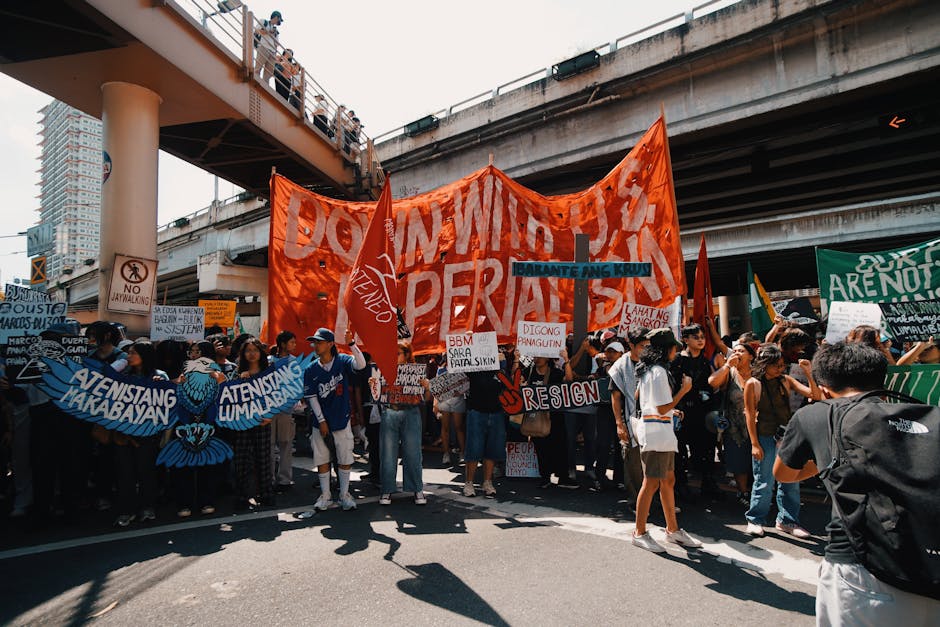
The recent strikes and protests in Iran have brought the country’s economic woes to the forefront, with many Iranians taking to the streets to express their frustration and discontent. The protests, which were sparked by a combination of economic and political grievances, have resulted in the closure of factories, shops, and other businesses, leaving many without a steady income. The Iranian government has responded to the protests with force, leading to a further escalation of the situation and a deepening of the economic crisis. As the situation continues to unfold, it is becoming increasingly clear that the Iranian government is facing a major crisis of legitimacy, and it remains to be seen how it will respond to the growing unrest.
Causes and Consequences
The economic crisis in Iran is a complex issue with multiple causes and consequences. The country’s reliance on oil exports has made it vulnerable to fluctuations in the global energy market, and the current low oil prices have had a devastating impact on the economy. Additionally, the Iranian government’s policies, including its decision to prioritize military spending over social welfare programs, have exacerbated the situation. The consequences of the economic crisis are far-reaching, with many Iranians struggling to access basic necessities like food, healthcare, and education. The crisis has also had a major impact on the country’s infrastructure, with many roads, bridges, and other critical facilities in disrepair.
A Future in Doubt
The economic crisis in Iran has left many wondering about the country’s future. The current situation is unsustainable, and it is clear that something needs to change. However, the question of what that change should look like is a complex one, and it is unclear what the future holds for the Iranian people. One thing is certain, however: the Iranian government needs to take immediate action to address the economic crisis and restore stability to the country. This will require a combination of short-term measures to alleviate the immediate suffering of the Iranian people, as well as long-term reforms to address the underlying causes of the crisis.
Expert Perspectives
Experts are divided on the best way to address the economic crisis in Iran. Some argue that the country needs to implement radical reforms, including a shift away from its reliance on oil exports and a greater emphasis on diversification and privatization. Others argue that the country needs to take a more gradual approach, focusing on incremental reforms and a gradual transition to a more market-based economy. Regardless of the approach, it is clear that something needs to be done, and quickly, to address the economic crisis and restore stability to the country.
As the situation in Iran continues to unfold, the international community will be watching with bated breath. The question of what the future holds for the Iranian people is a complex one, and it is unclear what the outcome will be. One thing is certain, however: the Iranian people deserve a better future, and it is up to the international community to support them in their quest for peace, stability, and prosperity. The coming months and years will be critical in determining the course of Iran’s future, and it remains to be seen what the future holds for this troubled nation.