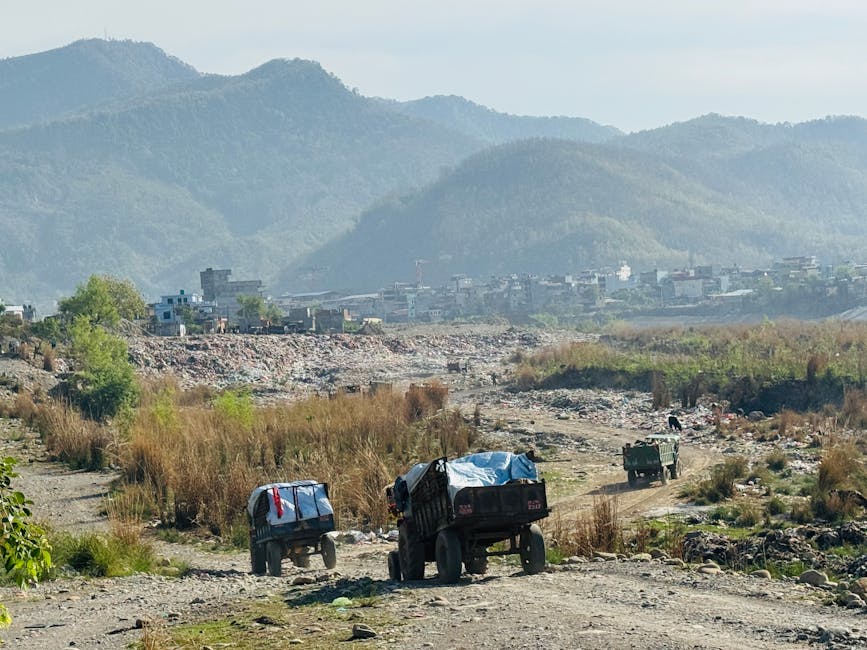
- Dengue fever has spread to Nepal’s Himalayan districts, threatening communities ill-prepared for the disease.
- Warmer temperatures and changing weather patterns are creating conditions favorable for the Aedes mosquito to thrive at higher altitudes.
- Local health authorities in Nepal’s Himalayan regions are struggling to implement effective control measures due to the rapid spread of dengue.
- Climate change is a key driver of the unexpected spread of dengue fever to the Himalayas, a region previously considered too cold for the disease.
- The spread of dengue in Nepal’s Himalayan districts highlights the need for global attention and action to combat the disease.
In a stark and visually compelling photo essay, Yuri Segalerba brings to light the devastating impact of dengue fever in Nepal’s once untouched Himalayan districts. Traditionally confined to tropical and subtropical regions, dengue has now reached the cooler mountainous areas, posing a significant threat to communities that are ill-prepared for such a disease. Segalerba’s images capture the resilience and determination of locals as they fight back against this rapidly spreading illness, highlighting the human cost and the urgent need for global attention and action.
The Unexpected Spread of Dengue in the Himalayas

For decades, dengue fever was primarily a concern for the lower, warmer regions of Nepal. However, recent years have seen a concerning trend: the disease is now spreading to the higher altitudes of the Himalayas. This shift is not just a geographical anomaly but a critical health issue that underscores the broader implications of climate change. Warmer temperatures and changing weather patterns are creating conditions favorable for the Aedes mosquito, the primary vector for dengue, to thrive in areas previously considered too cold for its survival. The spread of dengue in these regions has caught local health authorities off guard, leading to a surge in cases and a scramble to implement effective control measures.
Documenting the Crisis: Yuri Segalerba’s Photo Essay

Yuri Segalerba, a renowned documentary photographer, has been on the ground in Nepal’s Himalayan districts, capturing the human face of this growing crisis. His photos show the stark reality of dengue’s impact, from overcrowded hospitals to community-led mosquito eradication efforts. Segalerba’s work is a poignant reminder of the interconnectedness of global health and environmental issues. He has documented the stories of individuals and families affected by dengue, providing a deep and personal look into the challenges they face. His images also highlight the innovative and often low-tech solutions that communities are employing to combat the disease, such as using natural repellents and implementing rigorous cleaning campaigns.
The Role of Climate Change and Human Factors
The spread of dengue to Nepal’s Himalayan districts is a complex issue influenced by both climate change and human activities. Rising temperatures have created new habitats for the Aedes mosquito, which can now survive at higher altitudes. Additionally, urbanization and deforestation have disrupted natural ecosystems, leading to increased mosquito breeding sites. Data from the World Health Organization (WHO) shows a significant increase in dengue cases in these regions over the past five years, with some districts reporting a tenfold rise. Experts like Dr. Prativa Pandey, an epidemiologist at the Nepal Health Research Council, warn that without immediate and sustained intervention, the situation could worsen, leading to more severe outbreaks and higher mortality rates.
Community Impact and Resilience
The spread of dengue in Nepal’s Himalayan districts has profound implications for the local population. Rural communities, already vulnerable due to limited healthcare access, are bearing the brunt of the disease. Many families have been forced to travel long distances to seek treatment, placing a significant financial and emotional burden on them. However, these communities are not passive victims. Segalerba’s photos show a spirit of resilience, with locals organizing clean-up drives, distributing mosquito nets, and educating each other about prevention methods. Despite the challenges, there is a sense of community and solidarity in the fight against dengue.
Expert Perspectives
While Segalerba’s images provide a powerful visual narrative, experts offer critical insights into the underlying causes and potential solutions. Dr. Pandey emphasizes the need for a multifaceted approach, combining public health education, improved surveillance systems, and environmental management. On the other hand, Dr. Ramesh Pandey, a public health specialist, argues that international aid and collaboration are essential to addressing the issue effectively. Both experts agree that the spread of dengue in the Himalayas is a wake-up call for the global health community.
Moving forward, the key will be to monitor the disease’s progression and adapt strategies accordingly. Segalerba’s photo essay serves as a call to action, urging policymakers, health organizations, and the public to pay attention to the emerging threats in these regions. The question remains: how can we support these communities and prevent the further spread of dengue in the face of ongoing climate change and human development?