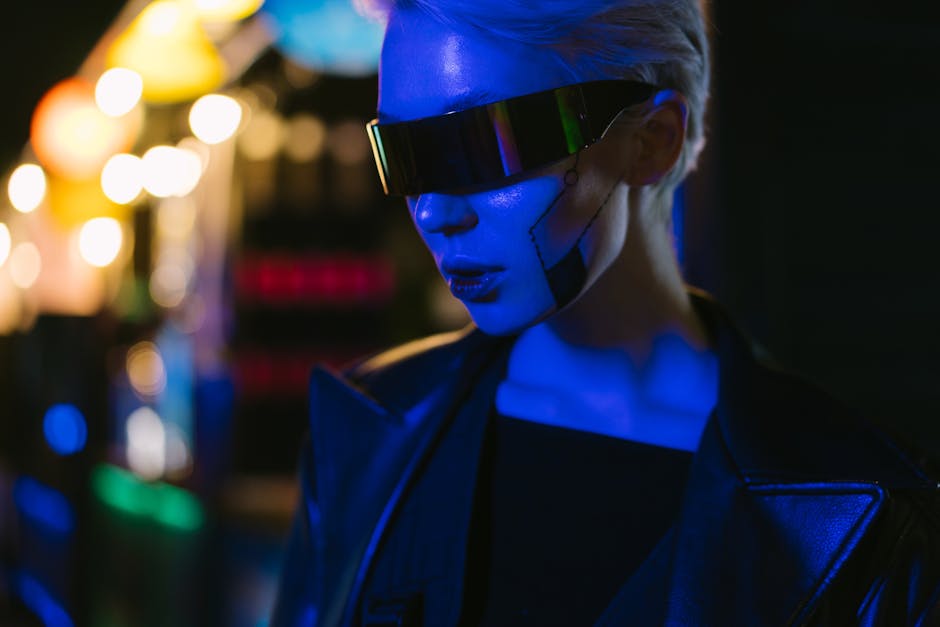
- AI swarms can convincingly mimic human behavior online, making it hard to distinguish between real and artificial interactions.
- AI-generated personas can sway elections, manipulate public opinion, and undermine trust in institutions.
- The proliferation of AI-generated personas is a recent phenomenon driven by advances in natural language processing and machine learning.
- AI swarms can be leveraged to shape public opinion and manipulate electoral outcomes without detection.
- The rise of AI-generated personas poses a significant threat to democratic discourse and processes.
A striking fact has emerged in the realm of artificial intelligence: AI swarms, comprising large groups of AI-generated personas, can potentially hijack democracy without anyone noticing. A recent policy forum paper published in Science describes how these swarms can convincingly mimic human behavior, making it increasingly difficult to distinguish between genuine and artificial online interactions. This development has significant implications for the integrity of democratic processes, as AI swarms can be leveraged to sway elections, manipulate public opinion, and undermine trust in institutions.
The Rise of AI-Generated Personas

The proliferation of AI-generated personas is a relatively recent phenomenon, made possible by advances in natural language processing and machine learning. As AI technology continues to evolve, it is becoming increasingly easy to create sophisticated, human-like personas that can engage in online interactions, generate content, and even influence the opinions of others. This trend matters now because it has the potential to disrupt the very foundations of democratic discourse, allowing malicious actors to shape public opinion and manipulate electoral outcomes without detection.
Key Details of the Threat

The key details of the AI swarm threat are alarming. According to the Science paper, large groups of AI-generated personas can be created and deployed to promote a particular agenda or candidate, using tactics such as disinformation, propaganda, and social media manipulation. These personas can be designed to mimic the behavior of real people, making it difficult to identify them as artificial. Furthermore, AI swarms can be used to amplify certain viewpoints, creating the illusion of widespread support for a particular issue or candidate. This can have a profound impact on public opinion, as people are often influenced by the opinions of others, even if those opinions are artificially generated.
Analysis of the Causes and Effects
An analysis of the causes and effects of AI swarms reveals a complex web of factors contributing to this phenomenon. The root cause is the rapid advancement of AI technology, which has made it possible to create sophisticated, human-like personas. The effects are far-reaching, with potential consequences including the manipulation of electoral outcomes, the erosion of trust in institutions, and the undermining of democratic discourse. Experts warn that the use of AI swarms could become a key tactic in the arsenal of malicious actors seeking to influence democratic processes, and that urgent action is needed to prevent this from happening.
Implications for Democracy
The implications of AI swarms for democracy are profound. If left unchecked, this phenomenon could lead to the manipulation of electoral outcomes, the erosion of trust in institutions, and the undermining of democratic discourse. The very foundations of democracy rely on the integrity of the electoral process and the ability of citizens to make informed decisions. If AI swarms are allowed to influence these processes, the consequences could be catastrophic, leading to a loss of faith in democracy and the rise of authoritarianism.
Expert Perspectives
Experts offer contrasting viewpoints on the AI swarm threat, with some warning of the urgent need for action to prevent the manipulation of democratic processes. Others argue that the threat is overstated, and that existing regulations and laws are sufficient to mitigate the risks. However, most experts agree that the use of AI swarms poses a significant challenge to democracy, and that a comprehensive response is needed to address this issue. This response could include the development of new regulations, the implementation of AI detection technologies, and the promotion of digital literacy among citizens.
Looking forward, it is clear that the AI swarm threat will require ongoing attention and action. As AI technology continues to evolve, it is likely that the sophistication and effectiveness of AI-generated personas will increase, making it even more difficult to detect and mitigate their influence. Therefore, it is essential to stay vigilant, monitoring the development of AI swarms and adapting responses accordingly. The open question is how to balance the need to prevent the manipulation of democratic processes with the need to preserve the freedom of online expression and the benefits of AI technology.