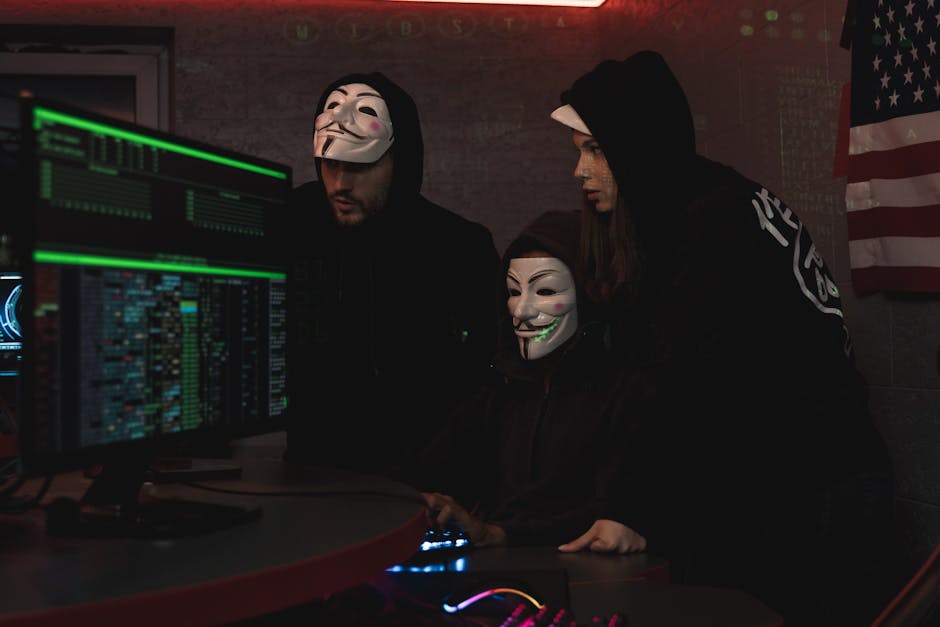
- Chinese firms allegedly stealing American AI models, putting intellectual property at risk.
- US government under pressure to take action, with AI market projected to reach $190 billion by 2025.
- AI theft has significant consequences, affecting industries like healthcare and finance.
- White House memo highlights need for greater awareness and cooperation to prevent AI theft.
- AI theft is not limited to Chinese firms, but China’s scale and scope of the problem are alarming.
The White House has released a memo claiming that several Chinese firms are engaging in the mass theft of American artificial intelligence models. According to the memo, written by Michael Kratsios, these companies are wrongfully distilling US AI models, raising significant concerns over intellectual property protection. This alleged theft has sparked a heated debate over the need for stricter regulations to prevent the unauthorized use of AI technology. With the global AI market projected to reach $190 billion by 2025, the stakes are high, and the US government is under pressure to take action. The memo’s revelations have also raised questions about the role of Chinese companies in the global AI landscape and the potential consequences of their actions.
The Rise of AI Theft

The issue of AI theft has become increasingly prominent in recent years, as the technology has become more sophisticated and widely available. The use of AI models has become a key component of many industries, from healthcare to finance, and the theft of these models can have significant consequences. The White House memo highlights the need for greater awareness and cooperation between governments and industries to prevent AI theft. The memo also notes that the theft of AI models is not limited to Chinese firms, but the scale and scope of the problem in China are particularly alarming. As the US and China continue to compete for dominance in the AI sector, the issue of AI theft is likely to become even more pressing.
Key Players and Incidents

The White House memo identifies several Chinese firms as being involved in the theft of US AI models, although it does not provide specific details. The memo notes that these firms are using various tactics to distill and replicate US AI models, including the use of proxy servers and other evasion techniques. The incident has sparked a backlash against Chinese companies, with some calling for stricter regulations and others advocating for a more nuanced approach. The US government has pledged to take action to protect American intellectual property, but the issue is complex, and a solution is unlikely to be straightforward. As the investigation into AI theft continues, more details are likely to emerge about the companies and individuals involved.
Causes and Consequences
The causes of AI theft are complex and multifaceted, involving a combination of technological, economic, and geopolitical factors. The rapid development of AI technology has created new opportunities for companies to innovate and grow, but it has also created new risks and challenges. The memo notes that the lack of effective regulations and enforcement mechanisms has contributed to the problem of AI theft, allowing companies to operate with impunity. The consequences of AI theft are significant, ranging from financial losses to national security risks. The theft of AI models can also undermine trust in the technology and hinder its development, as companies become more cautious about sharing their research and innovations.
Implications and Next Steps
The implications of the White House memo are far-reaching, with significant consequences for the US-China trade relationship and the global AI sector. The memo’s revelations have sparked calls for greater cooperation and coordination between governments and industries to prevent AI theft and protect intellectual property. The US government has pledged to take action to address the issue, including the development of new regulations and enforcement mechanisms. However, the issue is complex, and a solution is unlikely to be straightforward. As the situation continues to evolve, it is likely that there will be significant developments in the coming months, including potential sanctions against Chinese firms and new initiatives to promote cooperation and innovation in the AI sector.
Expert Perspectives
Experts are divided on the best approach to addressing the issue of AI theft, with some advocating for stricter regulations and others calling for a more nuanced approach. Some experts argue that the US government should take a tougher stance against Chinese companies, imposing sanctions and other penalties for intellectual property theft. Others argue that a more collaborative approach is needed, involving greater cooperation and coordination between governments and industries to promote innovation and protect intellectual property. As the debate continues, it is clear that there are no easy answers, and a solution will require careful consideration of the complex technological, economic, and geopolitical factors at play.
Looking ahead, it is likely that the issue of AI theft will continue to be a major concern for governments and industries around the world. As AI technology continues to evolve and become more widespread, the risks and challenges associated with its development and use will only increase. The US government and other stakeholders must be vigilant and proactive in addressing these challenges, working to promote innovation and protect intellectual property while also ensuring that the benefits of AI are shared by all. The coming months will be critical in shaping the future of the AI sector, and it is essential that governments and industries work together to address the complex issues at play.