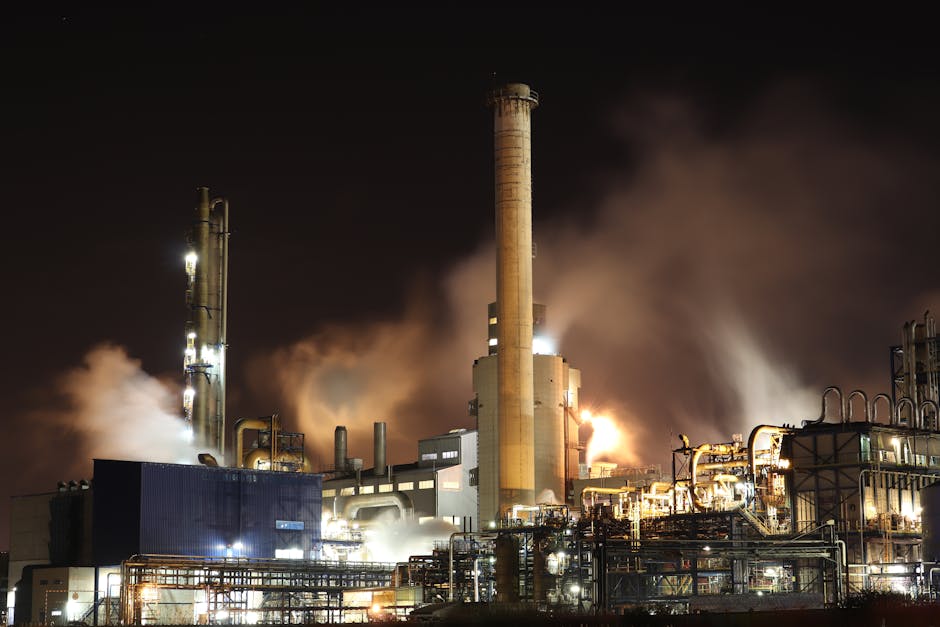
- The Ukrainian strike on a Tuapse oil refinery has caused a massive fire, releasing hazardous pollutants into the atmosphere.
- Residents in Tuapse are reporting dark, oily toxins falling from the sky, posing a significant threat to their health and wellbeing.
- The strike has severely damaged the refinery, disrupting Russia’s oil supply and exacerbating the existing energy crisis.
- The toxic aftermath of the strike has raised serious concerns about the long-term effects on human health and the environment.
- The Russian government is scrambling to contain the damage and mitigate the effects of the strike on the town and its population.
A shocking revelation has emerged from Russian officials, confirming that the air in the town of Tuapse has turned toxic, just days after a Ukrainian strike on a local oil refinery. The attack, which occurred on a recent day, sparked a massive fire that has been raging ever since, releasing harmful pollutants into the atmosphere. As a result, residents have been reporting a disturbing phenomenon – drops of dark, oily toxins falling from the sky, posing a significant threat to their health and wellbeing. This alarming development has raised serious concerns about the long-term effects of the strike and the potential consequences for the environment and human health.
The Refinery Strike: A Catastrophic Event

The oil refinery strike in Tuapse has sent shockwaves throughout the region, with the toxic aftermath serving as a stark reminder of the devastating consequences of conflict. The refinery, a critical component of Russia’s energy infrastructure, has been severely damaged, disrupting the country’s oil supply and exacerbating the existing energy crisis. As the situation continues to unfold, it has become increasingly clear that the strike has far-reaching implications, extending beyond the immediate vicinity of the refinery to affect the broader population and ecosystem. With the Russian government scrambling to contain the damage and mitigate the effects, the people of Tuapse are left to wonder about the future of their town and the potential long-term costs of this catastrophic event.
Key Details of the Strike

According to reports, the Ukrainian strike on the oil refinery in Tuapse was a targeted attack, aimed at disrupting Russia’s energy capabilities and gaining a strategic advantage in the ongoing conflict. The refinery, which is one of the largest in the region, has been a key target for Ukrainian forces, seeking to cripple Russia’s ability to supply oil to its allies and maintain its own energy needs. As the investigation into the strike continues, officials have confirmed that the attack resulted in a significant fire, which has been burning for days, releasing toxic fumes and pollutants into the air. The extent of the damage is still being assessed, but it is clear that the strike has had a profound impact on the town of Tuapse, with residents facing an unprecedented environmental disaster.
Analysis of the Toxic Aftermath
An analysis of the situation reveals that the toxic aftermath of the refinery strike is a complex issue, with multiple factors contributing to the crisis. Experts point to the release of hazardous chemicals, including volatile organic compounds and particulate matter, which have been detected in the air and water samples. The prolonged exposure to these toxins poses a significant risk to human health, with potential effects ranging from respiratory problems to long-term damage to the nervous system. Furthermore, the environmental impact of the disaster is likely to be severe, with the potential for contamination of soil and water sources, affecting not only the local ecosystem but also the broader food chain. As the situation continues to evolve, it is essential to consider the root causes of the crisis and the measures that can be taken to prevent similar disasters in the future.
Implications for the Town and Beyond
The implications of the toxic air crisis in Tuapse are far-reaching, affecting not only the residents of the town but also the surrounding communities and the environment as a whole. The immediate concern is the health and wellbeing of the people, who are being exposed to hazardous toxins on a daily basis. However, the long-term effects of the disaster are likely to be just as severe, with potential consequences for the local economy, infrastructure, and ecosystem. As the Russian government and international organizations scramble to respond to the crisis, it is essential to consider the broader implications of the disaster, including the potential for similar events to occur in the future and the need for sustainable solutions to prevent such catastrophes.
Expert Perspectives
Experts in the field of environmental science and international relations have weighed in on the crisis, offering contrasting viewpoints on the situation. Some have argued that the strike on the oil refinery was a necessary measure to disrupt Russia’s energy capabilities and gain a strategic advantage in the conflict. Others, however, have condemned the attack, citing the devastating environmental consequences and the potential long-term effects on human health. As the debate continues, it is clear that the situation in Tuapse is a complex and multifaceted issue, requiring a nuanced and informed approach to resolve the crisis and prevent similar disasters in the future.
Looking ahead, the situation in Tuapse remains uncertain, with many questions still unanswered. What will be the long-term effects of the toxic air crisis on human health and the environment? How will the Russian government and international organizations respond to the disaster, and what measures will be taken to prevent similar events in the future? As the world watches the situation unfold, one thing is clear – the crisis in Tuapse serves as a stark reminder of the devastating consequences of conflict and the need for sustainable solutions to prevent such catastrophes. The coming days and weeks will be crucial in determining the outcome of the crisis, and it is essential to remain vigilant and informed as the situation continues to evolve.