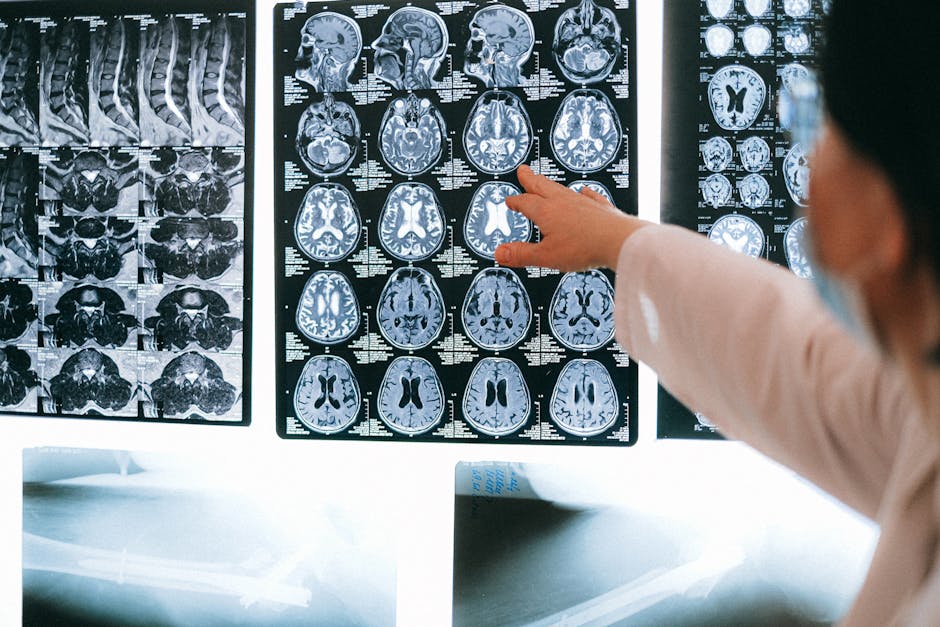
- Scientists have discovered a rare group of adults over 80, known as SuperAgers, with memory abilities comparable to those of people decades younger.
- The existence of SuperAgers challenges the long-held notion that cognitive decline is an inevitable part of the aging process.
- SuperAgers are rewriting the rules of what is possible for the aging brain, providing valuable insights into factors that contribute to their remarkable cognitive function.
- Research on SuperAgers suggests that certain individuals may be able to resist or withstand damage typically linked to Alzheimer’s disease and other forms of dementia.
- The discovery of SuperAgers has major implications for our understanding of the aging brain and the factors that contribute to cognitive decline.
A striking fact has emerged in the field of neuroscience: a rare group of adults over 80, known as SuperAgers, possess memory abilities comparable to those of people decades younger. This phenomenon has left scientists astonished, as it challenges the long-held notion that cognitive decline is an inevitable part of the aging process. With their exceptional memory capabilities, SuperAgers are rewriting the rules of what is possible for the aging brain, and their unique characteristics are providing valuable insights into the factors that contribute to their remarkable cognitive function.
The Discovery of SuperAgers

The discovery of SuperAgers is a significant breakthrough in the field of neuroscience, and it has major implications for our understanding of the aging brain. For decades, researchers have been studying the effects of aging on cognitive function, and the prevailing wisdom has been that cognitive decline is a natural and inevitable part of the aging process. However, the existence of SuperAgers suggests that this may not be the case, and that certain individuals may be able to resist or withstand the damage typically linked to Alzheimer’s disease and other forms of dementia. As researchers delve deeper into the characteristics of SuperAgers, they are gaining a better understanding of the factors that contribute to their remarkable cognitive abilities.
Uncovering the Secrets of SuperAgers

So, what sets SuperAgers apart from their peers? Researchers have found that their social lifestyles and unique brain biology may hold the key to preserving cognitive function. SuperAgers tend to have a strong sense of purpose and engagement, which is reflected in their high levels of social activity and participation in mentally stimulating activities. Additionally, studies have shown that SuperAgers have a distinct brain structure, with a thicker cerebral cortex and a larger hippocampus, which are areas of the brain that are critical for memory and learning. These findings suggest that a combination of lifestyle factors and genetic predisposition may contribute to the remarkable cognitive abilities of SuperAgers.
Analysis of the Findings
The analysis of the findings from the SuperAger study has significant implications for our understanding of the aging brain. The fact that SuperAgers are able to resist or withstand the damage typically linked to Alzheimer’s disease suggests that there may be a way to delay or even prevent dementia. Furthermore, the discovery that social lifestyle and brain biology play a critical role in preserving cognitive function highlights the importance of adopting a holistic approach to brain health. By combining lifestyle interventions, such as social engagement and mentally stimulating activities, with advances in medical technology, it may be possible to develop new strategies for promoting healthy brain aging and reducing the risk of dementia.
Implications for Brain Health
The implications of the SuperAger study are far-reaching, and they have the potential to impact the lives of millions of people around the world. As the global population ages, the incidence of dementia is expected to rise, and the development of effective strategies for preventing or delaying cognitive decline is becoming increasingly urgent. The discovery of SuperAgers provides new hope for the development of innovative approaches to brain health, and it highlights the importance of continued research into the factors that contribute to healthy brain aging. By unlocking the secrets of the SuperAgers, scientists may be able to develop new treatments and interventions that promote cognitive health and reduce the risk of dementia.
Expert Perspectives
Experts in the field of neuroscience are hailing the SuperAger study as a major breakthrough, and they are emphasizing the importance of continued research into the factors that contribute to healthy brain aging. According to Dr. Emily Rogalski, a leading researcher on the SuperAger project, “the discovery of SuperAgers has the potential to revolutionize our understanding of the aging brain and to inform the development of new strategies for promoting cognitive health.” Other experts, such as Dr. David Bennett, are highlighting the need for a holistic approach to brain health, which combines lifestyle interventions with advances in medical technology.
As researchers continue to unlock the secrets of the SuperAgers, they are likely to encounter new challenges and opportunities. One of the key questions that remains to be answered is how to translate the findings from the SuperAger study into effective interventions that can be used to promote cognitive health in the general population. Additionally, there is a need for further research into the genetic and environmental factors that contribute to the development of SuperAgers, and how these factors can be harnessed to develop new treatments and therapies for dementia. As the field of neuroscience continues to evolve, it is likely that the discovery of SuperAgers will play a major role in shaping our understanding of the aging brain and informing the development of new strategies for promoting cognitive health.