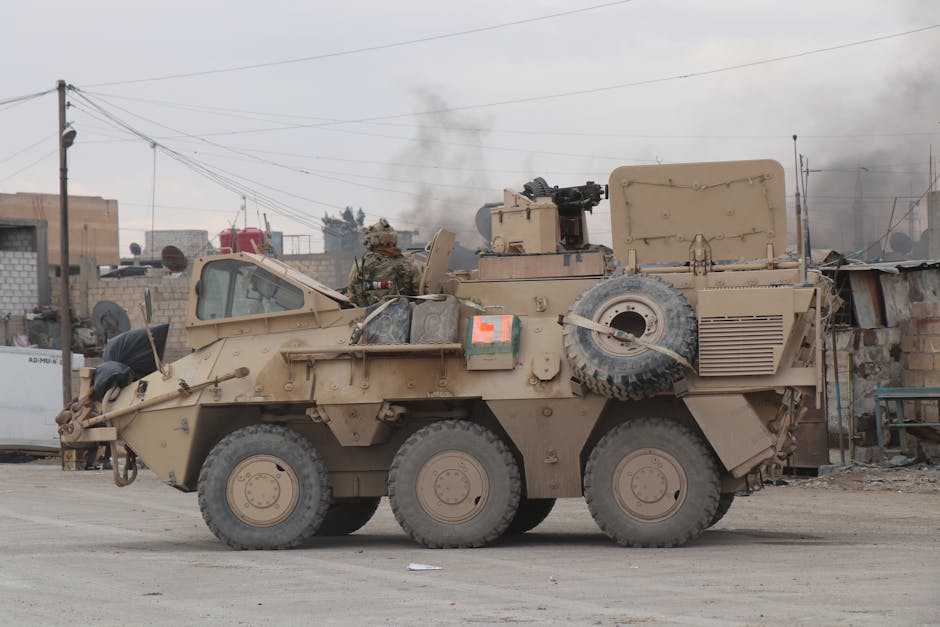
- Tensions along the Israel-Lebanon border have escalated with over 5 incidents in the past 3 days.
- The recent violence has raised concerns about the fragility of the 2006 cease-fire agreement.
- The international community is urging both sides to exercise restraint and respect the cease-fire.
- The conflict has historical roots, dating back to the 1970s with multiple wars between Israel and Lebanon.
- The current situation is complicated by the rise of extremist groups and tensions between Israel and Iran.
The recent escalation of violence along the Israel-Lebanon border has raised concerns about the fragility of the cease-fire agreement in place since 2006. With over 5 incidents reported in the past 3 days, the situation is becoming increasingly volatile, prompting fears of a wider conflict. The attacks, which have included rocket fire and exchanges of gunfire, have resulted in damage to property and injuries to civilians. The international community is watching the situation closely, urging both sides to exercise restraint and respect the cease-fire.
Historical Context of the Conflict

The Israel-Lebanon border has been a flashpoint for conflict for decades, with the two countries having fought several wars since the 1970s. The most recent conflict, in 2006, resulted in the deaths of over 1,000 people and widespread destruction. The cease-fire agreement that followed has held, albeit tenuously, with periodic outbreaks of violence. The current situation is particularly concerning, given the rise of extremist groups in the region and the increasing tensions between Israel and Iran, a key backer of the Lebanese militant group Hezbollah.
Key Players and Incidents

The recent attacks have involved both Israeli and Lebanese forces, as well as militant groups operating in the region. On one side, the Israeli military has responded to rocket fire from Lebanon with airstrikes and artillery fire, targeting what it claims are Hezbollah positions. On the other side, Lebanese authorities have accused Israel of violating the cease-fire and have vowed to defend their territory. The situation is further complicated by the presence of other militant groups, including Palestinian factions, which have also been involved in the fighting.
Causes and Consequences of the Conflict
Analysts point to a combination of factors contributing to the current escalation, including the ongoing conflict in Syria, the rise of extremist groups, and the increasing tensions between Israel and Iran. The situation is also influenced by domestic politics in both Israel and Lebanon, where hardline factions are seeking to exploit the situation for their own gain. The consequences of a wider conflict would be severe, with the potential for significant loss of life, displacement of civilians, and damage to the regional economy. The international community is urging both sides to exercise restraint and seek a diplomatic solution to the crisis.
Implications for the Region
The current situation has significant implications for the region, with the potential to draw in other countries and exacerbate existing conflicts. The conflict also has humanitarian implications, with civilians on both sides of the border facing the risk of injury or displacement. The United Nations and other international organizations are working to provide aid and support to those affected, while also urging both sides to respect the cease-fire and seek a peaceful resolution to the crisis. The situation is a reminder of the need for a comprehensive and lasting peace agreement in the region, one that addresses the underlying causes of the conflict and provides a framework for resolving disputes peacefully.
Expert Perspectives
Experts are divided on the prospects for a peaceful resolution to the crisis, with some arguing that the situation is too far gone and that a wider conflict is inevitable. Others, however, believe that diplomacy can still prevail, pointing to the fact that both sides have a vested interest in avoiding a costly and destructive war. As one analyst noted, “The key to resolving this crisis is to address the underlying causes of the conflict, including the issues of borders, security, and the role of extremist groups.”
Looking ahead, the situation remains highly uncertain, with the potential for further escalation or a negotiated settlement. The international community will be watching the situation closely, urging both sides to exercise restraint and seek a peaceful resolution to the crisis. As the situation continues to unfold, one thing is clear: the need for a comprehensive and lasting peace agreement in the region has never been more pressing. The question on everyone’s mind is: can diplomacy prevail, or will the situation spiral out of control, with devastating consequences for the region and beyond?