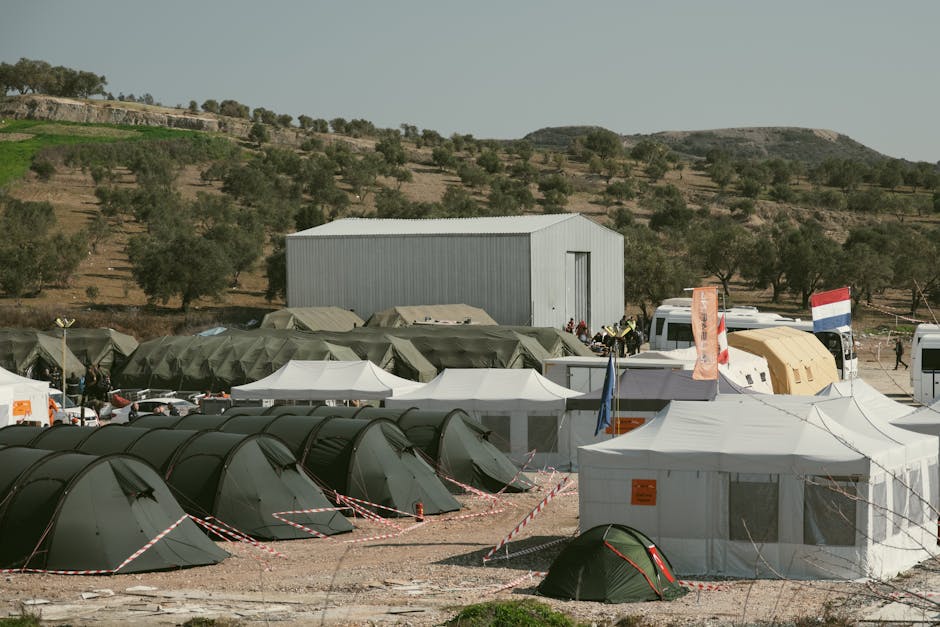
- A record number of families in the UK are living in temporary accommodation due to a severe shortage of affordable housing.
- Temporary homes often lack basic amenities, leading to unsanitary and cramped living conditions for many families.
- Children in temporary accommodation are more vulnerable to health issues such as respiratory problems and skin conditions.
- A cross-party report has called for urgent action to improve the safety and quality of temporary homes.
- The current temporary accommodation system is failing to provide safe and healthy housing for vulnerable families.
A striking fact has emerged in the UK, where a record number of families are living in temporary accommodation, with many reporting that their homes are making their children sick. The situation is so dire that a cross-party report has called for urgent action to improve the safety and quality of these temporary homes. For many families, the reality of temporary accommodation is a constant struggle, with children suffering from respiratory problems, skin conditions, and other health issues due to poor living conditions. As one mother put it, “My baby scratches and scratches, and I don’t know what to do.” This is a stark reminder of the human cost of the housing crisis, and the need for immediate action to protect the health and wellbeing of vulnerable families.
The Temporary Accommodation Crisis

The UK is facing a severe shortage of affordable housing, leading to a record number of families being forced into temporary accommodation. This can include hostels, bed and breakfasts, and other forms of emergency housing. However, many of these temporary homes are not fit for purpose, with families often forced to live in cramped and unsanitary conditions. The situation is particularly dire for children, who are more vulnerable to the health risks associated with poor living conditions. As the cross-party report highlights, the current system is failing to provide safe and healthy housing for families, and urgent reform is needed to address this crisis. The report’s findings are a wake-up call for policymakers, who must take immediate action to improve the quality and safety of temporary accommodation.
Key Findings and Recommendations

The cross-party report provides a damning indictment of the current system, highlighting the shocking conditions faced by many families in temporary accommodation. The report found that many temporary homes are plagued by problems such as damp, mold, and pest infestations, which can have serious health consequences for children. The report also found that families are often forced to live in temporary accommodation for long periods, with some families staying in these conditions for months or even years. To address this crisis, the report calls for a range of measures, including increased funding for affordable housing, improved regulation of temporary accommodation, and better support for families living in these conditions. The report’s recommendations are a crucial step towards addressing the temporary accommodation crisis, and policymakers must take immediate action to implement these changes.
Analysis and Expert Insights
The temporary accommodation crisis is a complex issue, driven by a range of factors including the shortage of affordable housing, poverty, and inequality. However, at its heart, this crisis is about the failure of the current system to provide safe and healthy housing for vulnerable families. As experts point out, the health risks associated with poor living conditions are very real, and can have long-term consequences for children’s health and wellbeing. The situation is further complicated by the lack of data and transparency around temporary accommodation, making it difficult to track the scale of the problem and identify solutions. To address this crisis, policymakers must take a comprehensive approach, addressing the root causes of the problem and providing support for families living in temporary accommodation. This includes investing in affordable housing, improving regulation, and providing better support services for families.
Implications and Consequences
The implications of the temporary accommodation crisis are far-reaching, with serious consequences for the health and wellbeing of vulnerable families. Children living in poor conditions are more likely to suffer from respiratory problems, skin conditions, and other health issues, which can have long-term consequences for their health and wellbeing. Furthermore, the stress and anxiety of living in temporary accommodation can have a profound impact on families, leading to mental health problems and relationship breakdown. The report’s findings are a stark reminder of the need for urgent action to address this crisis, and policymakers must take immediate action to improve the quality and safety of temporary accommodation. The consequences of inaction will be severe, with vulnerable families continuing to suffer the consequences of poor living conditions.
Expert Perspectives
Experts agree that the temporary accommodation crisis requires urgent attention, with many calling for a comprehensive approach to address the root causes of the problem. As one expert put it, “The current system is failing to provide safe and healthy housing for families, and we need to take immediate action to address this crisis.” Others point out that the solution lies in investing in affordable housing, improving regulation, and providing better support services for families. However, there are also differing views on the best way to address the crisis, with some arguing that the focus should be on providing more temporary accommodation, while others argue that the emphasis should be on providing permanent, affordable housing. Ultimately, the solution will require a nuanced and multifaceted approach, taking into account the complex needs of vulnerable families.
Looking to the future, the key question is what will happen next. Will policymakers take the necessary steps to address the temporary accommodation crisis, or will vulnerable families continue to suffer the consequences of poor living conditions? The answer will depend on the willingness of policymakers to take bold action, investing in affordable housing and improving regulation. As the report highlights, the current system is failing, and urgent reform is needed to protect the health and wellbeing of vulnerable families. The coming months will be crucial, as policymakers respond to the report’s findings and recommendations. One thing is certain, however: the temporary accommodation crisis will not solve itself, and immediate action is needed to address this growing problem.