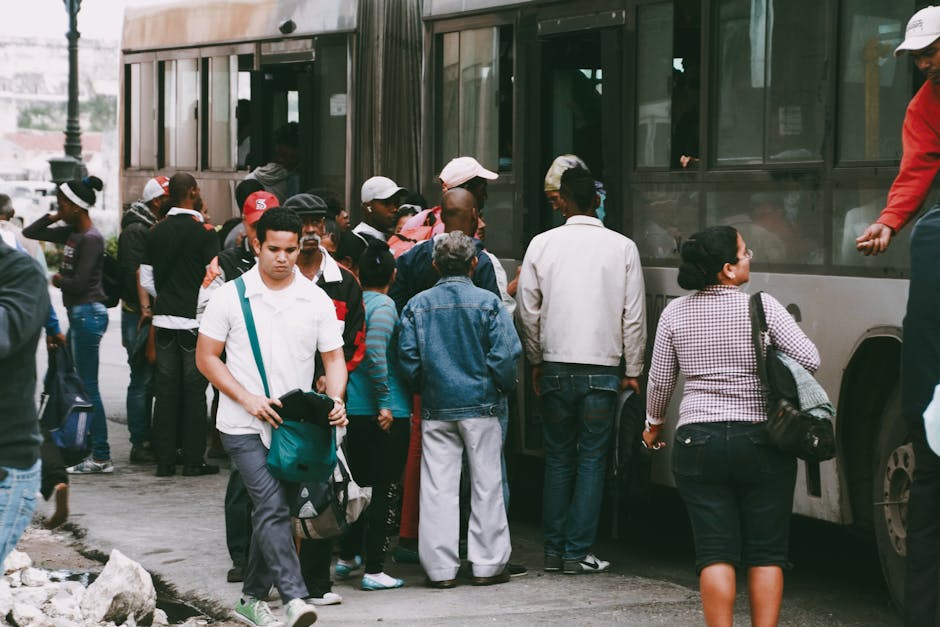
- Over 10,000 refugees have returned to southern Lebanon in the past year, driven by hope and resilience.
- The region’s complex history of conflict and occupation has hindered peace and stability.
- International aid organizations and regional powers are working together to facilitate the return of refugees.
- The Syrian civil war and rise of extremist groups have contributed to the region’s volatility.
- The people of southern Lebanon remain determined to rebuild and restart their lives despite ongoing challenges.
The image of a family crossing the border from Israel into southern Lebanon, their belongings stacked high on a rusty old truck, is a powerful reminder of the human cost of conflict. The fact that over 10,000 refugees have made this journey in the past year alone is a striking testament to the enduring power of hope and resilience in the face of adversity. As the world watches, the people of southern Lebanon are slowly beginning to rebuild their lives, piece by piece. The question on everyone’s mind is: what does the future hold for this war-torn land?
A Region in Flux

The situation in southern Lebanon is complex and multifaceted, with a history of conflict and occupation that stretches back decades. The Israeli withdrawal in 2000 was meant to mark a new era of peace and stability, but the reality on the ground has been far more nuanced. With the rise of extremist groups and the ongoing Syrian civil war, the region has become a tinderbox of tensions and competing interests. And yet, despite all this, the people of southern Lebanon remain determined to rebuild and restart their lives.
Key Players and Interests

The recent influx of refugees returning to southern Lebanon has been facilitated by a combination of factors, including the efforts of international aid organizations and the cautious cooperation of regional powers. The United Nations has played a key role in brokering agreements and providing support, while countries such as Iran and Saudi Arabia have also sought to exert their influence in the region. As the situation continues to evolve, it is clear that the interests of these various players will have a significant impact on the future of southern Lebanon. The question is, whose interests will ultimately prevail?
Causes and Consequences
Analysis of the situation in southern Lebanon reveals a complex web of causes and consequences, with roots stretching back decades. The legacy of conflict and occupation has left deep scars, both physical and psychological. The rise of extremist groups has further destabilized the region, creating a power vacuum that has been exploited by external actors. And yet, despite all this, there are signs of hope and resilience. The return of refugees is just one indicator of a broader trend towards reconstruction and renewal. As experts point out, the key to long-term stability lies in addressing the underlying causes of conflict, rather than just its symptoms.
Human Impact
The implications of the situation in southern Lebanon are far-reaching and profound, with real human lives hanging in the balance. For the families returning to their homes, the stakes are personal and emotional. They are seeking to rebuild their lives, to restart their businesses and to reconnect with their communities. But the impact goes far beyond individual families, with broader implications for regional stability and global security. As the world watches, it is clear that the fate of southern Lebanon will have a ripple effect, influencing the trajectory of events in the wider Middle East and beyond.
Expert Perspectives
Experts are divided on the future of southern Lebanon, with some hailing the return of refugees as a major breakthrough, while others warn of the dangers of complacency. According to Dr. Amal Saad, a leading expert on the region, “the situation in southern Lebanon is a classic example of a complex emergency, requiring a comprehensive and multifaceted response.” Others, such as former diplomat Michael Young, urge caution, warning that “the road to peace and stability in southern Lebanon will be long and arduous, requiring patience, persistence and a deep understanding of the underlying dynamics at play.”
As the situation in southern Lebanon continues to evolve, one thing is clear: the road ahead will be fraught with challenges and uncertainties. The international community will need to remain vigilant, providing support and guidance to help the people of southern Lebanon navigate the complexities of reconstruction and renewal. The question on everyone’s mind is: what will the future hold for this war-torn land? Only time will tell, but one thing is certain – the people of southern Lebanon will continue to adapt, to persevere and to rebuild, no matter what challenges lie ahead.