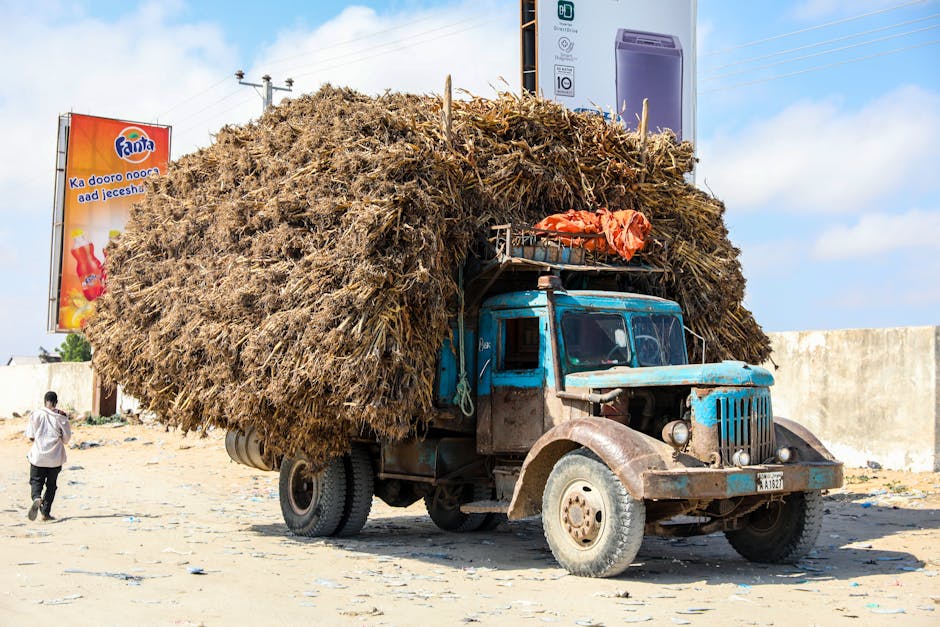
Somalia is grappling with one of its most severe hunger crises in recent years, with a staggering 6.5 million people, nearly half of the country’s population, facing acute food insecurity. The dire situation is attributed to a combination of factors, including drought, failed rains, and ongoing conflict, which have collectively pushed millions to the brink of starvation. The most vulnerable, particularly children, are at risk of acute malnutrition, a condition that can have long-lasting effects on their health and development. The crisis underscores the urgent need for humanitarian aid and a concerted effort to address the root causes of hunger in Somalia.
Climate Shocks and Conflict: A Deadly Combination

The current hunger crisis in Somalia is a stark reminder of the devastating impact of climate change and conflict on vulnerable populations. The country has been experiencing below-average rainfall, leading to drought conditions that have decimated crops and livestock, the mainstay of Somalia’s economy. Furthermore, the ongoing conflict has disrupted agricultural production, blocked access to markets, and forced millions to flee their homes, leaving them without a steady source of food or income. As a result, the number of people facing hunger has skyrocketed, with women and children bearing the brunt of the crisis. The situation is particularly alarming in rural areas, where access to basic services, including healthcare and nutrition, is limited.
Key Factors Contributing to the Crisis

The drought, which has affected several parts of the country, has been exacerbated by the failure of the recent rains, leaving many farmers without a harvest. The conflict, which has been raging for decades, has also played a significant role in the crisis, as it has disrupted trade, blocked access to markets, and forced many to abandon their homes and livelihoods. Additionally, the COVID-19 pandemic has had a debilitating impact on Somalia’s economy, further exacerbating the hunger crisis. The international community has been called upon to provide urgent humanitarian aid, including food assistance, to alleviate the suffering of millions of Somalis. The United Nations and other humanitarian agencies have warned that the situation could deteriorate further if prompt action is not taken to address the root causes of the crisis.
Analysis of the Crisis
An analysis of the crisis reveals that the combination of climate shocks and conflict has created a perfect storm that has pushed millions of Somalis into hunger. The data suggests that the number of people facing acute food insecurity has increased by over 20% in the past year alone, with the most significant increases recorded in areas affected by conflict and drought. Experts warn that the crisis could have long-term consequences, including increased mortality rates, particularly among children, and a decline in economic productivity. The situation is further complicated by the fact that many Somalis rely on informal economies, which are highly vulnerable to shocks. To mitigate the crisis, experts recommend a multi-faceted approach that includes providing emergency food assistance, supporting agricultural production, and addressing the root causes of conflict.
Implications of the Crisis
The implications of the hunger crisis in Somalia are far-reaching and devastating. Millions of people are at risk of starvation, and the most vulnerable, including children and the elderly, are bearing the brunt of the crisis. The situation is particularly alarming in areas where access to healthcare and nutrition is limited, and where the risk of acute malnutrition is high. If left unaddressed, the crisis could have long-term consequences, including increased mortality rates, decreased economic productivity, and a decline in living standards. The international community has a critical role to play in providing urgent humanitarian aid and supporting efforts to address the root causes of the crisis.
Expert Perspectives
Experts warn that the hunger crisis in Somalia is a complex issue that requires a comprehensive and sustained response. While emergency food assistance is critical, it is equally important to address the root causes of the crisis, including climate change and conflict. Some experts argue that the international community has a moral obligation to provide support, given the scale and severity of the crisis. Others caution that any response must be carefully calibrated to avoid exacerbating the conflict or creating dependency on aid. As the situation continues to deteriorate, it is clear that a concerted effort is needed to alleviate the suffering of millions of Somalis and to support the country’s long-term recovery.
Looking ahead, it is clear that the situation in Somalia will require close monitoring and a sustained response from the international community. The question on everyone’s mind is what the future holds for Somalia and its people. Will the international community be able to provide the necessary support to alleviate the suffering of millions, or will the crisis continue to deteriorate? Only time will tell, but one thing is certain – the people of Somalia deserve urgent attention and support to address the hunger crisis and to build a more resilient and sustainable future.