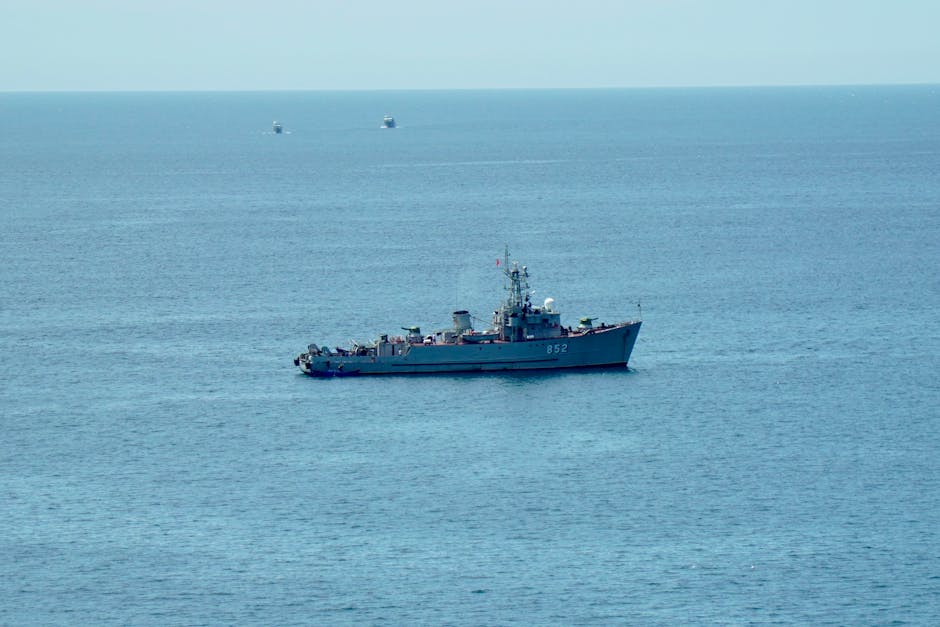
- Iran seizes two cargo ships in the Strait of Hormuz, sparking concerns over maritime trade safety and potential conflict.
- The Strait of Hormuz is a vital shipping lane for global oil trade, with 20% of the world’s crude oil passing through it.
- Tensions between the US and Iran have escalated, creating a complex and precarious situation in the region.
- The incident is the latest in a series of events that have heightened tensions in the Strait of Hormuz.
- Any disruption to oil trade through the strait has significant implications for the global economy.
The Strait of Hormuz, a critical waterway for international oil trade, has become an increasingly volatile flashpoint in recent months. In a striking escalation of tensions, Iran announced that it had seized two cargo ships, just hours after President Trump extended a cease-fire. This bold move by Tehran appears to be an exertion of its authority in the contested waters near the strait, raising concerns over the safety of maritime trade and the potential for further conflict.
Background to the Crisis

The Strait of Hormuz, which connects the Persian Gulf to the Arabian Sea, is a vital shipping lane for global oil trade, with approximately 20% of the world’s crude oil passing through it. The recent seizing of cargo ships by Iran is not an isolated incident, but rather the latest in a series of events that have heightened tensions in the region. The ongoing conflict between the US and Iran, coupled with the presence of other global powers in the area, has created a complex and precarious situation. As the global economy relies heavily on the free flow of oil through the strait, any disruption to this trade has significant implications for the world economy.
Key Details of the Incident

According to Iranian authorities, the two cargo ships were seized due to alleged violations of maritime regulations. However, the exact circumstances surrounding the incident remain unclear, and the US has been quick to condemn the move as an unwarranted escalation of tensions. The ships, which were reportedly carrying cargo from the United Arab Emirates, are currently being held in an Iranian port. The incident has sparked a flurry of diplomatic activity, with the US and its allies calling for the immediate release of the ships and their crew. As the situation continues to unfold, it remains to be seen how Iran will respond to international pressure and what the long-term consequences of this incident will be.
Analysis of the Situation
The seizing of the cargo ships by Iran can be seen as a calculated move to assert its authority in the region and push back against US sanctions. The incident has significant implications for global oil markets, as any disruption to trade through the Strait of Hormuz has the potential to drive up oil prices and impact the global economy. Experts point to the complex web of alliances and rivalries in the region, which includes the US, Iran, Saudi Arabia, and the UAE, among others. As tensions continue to rise, there is a growing risk of miscalculation or unintended escalation, which could have far-reaching consequences for regional and global stability.
Implications of the Crisis
The seizing of the cargo ships by Iran has significant implications for global oil markets and the international community. The incident has raised concerns over the safety of maritime trade and the potential for further conflict in the region. As the global economy relies heavily on the free flow of oil through the Strait of Hormuz, any disruption to this trade has the potential to drive up oil prices and impact the global economy. The incident has also highlighted the need for increased cooperation and diplomacy in the region, as the international community seeks to de-escalate tensions and prevent further conflict.
Expert Perspectives
Experts are divided on the implications of the incident, with some seeing it as a calculated move by Iran to assert its authority in the region, while others view it as a reckless provocation. According to one expert, “The seizing of the cargo ships by Iran is a clear escalation of tensions in the region and has significant implications for global oil markets.” Another expert notes, “The incident highlights the need for increased cooperation and diplomacy in the region, as the international community seeks to de-escalate tensions and prevent further conflict.” As the situation continues to unfold, it remains to be seen how the international community will respond to the incident and what the long-term consequences will be.
As the situation in the Strait of Hormuz continues to evolve, there are many unanswered questions about what the future holds. Will Iran continue to exert its authority in the region, and how will the US and its allies respond? What are the potential consequences for global oil markets and the international community? As the world watches with bated breath, one thing is clear: the situation in the Strait of Hormuz is a complex and precarious one, with significant implications for regional and global stability.