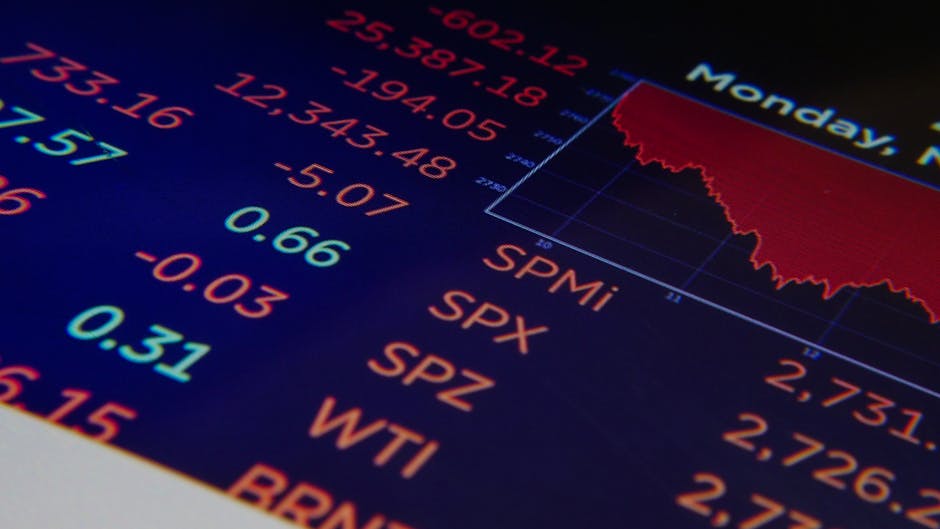
The FTSE 100, a benchmark index of the UK’s largest companies, has experienced significant fluctuations in recent years, with share prices falling by as much as 20% in a single quarter. While these changes may seem like the exclusive concern of financial experts and investors, they can have a profound impact on the lives of individuals, affecting everything from pension funds to personal savings. In fact, a survey conducted by the UK’s Financial Conduct Authority found that over 70% of adults in the UK are impacted by changes in the stock market, either directly or indirectly. As such, it is essential to understand how share price falls can affect your financial wellbeing and what steps you can take to mitigate these effects.
The Current State of the Stock Market

The current state of the stock market is characterized by increased volatility, with share prices fluctuating wildly in response to geopolitical events, economic indicators, and company performance. This volatility can be attributed to a variety of factors, including the ongoing COVID-19 pandemic, trade tensions between major economies, and concerns over climate change. As a result, investors are becoming increasingly cautious, with many opting to diversify their portfolios or adopt a more conservative investment strategy. Despite these challenges, the stock market remains a vital component of the global economy, providing companies with access to capital and investors with opportunities for growth. However, the potential for share price falls to impact individuals and communities cannot be overstated, and it is crucial that we understand the mechanisms by which this occurs.
Key Factors Contributing to Share Price Falls

Several key factors contribute to share price falls, including economic downturns, company performance, and geopolitical events. For example, during an economic recession, companies may experience reduced demand for their products or services, leading to decreased revenue and profitability. Similarly, poor company performance, such as a decline in sales or an increase in debt, can erode investor confidence and lead to a decline in share price. Geopolitical events, such as trade wars or conflicts, can also have a significant impact on share prices, as they can disrupt global supply chains and affect investor sentiment. Additionally, changes in government policies or regulations can influence share prices, particularly if they are perceived as unfavorable to business or investment. By understanding these factors, individuals can better navigate the complexities of the stock market and make informed decisions about their investments.
Analyzing the Causes and Effects of Share Price Falls
Analyzing the causes and effects of share price falls is crucial for understanding the potential impact on individuals and communities. From a causal perspective, share price falls can be attributed to a combination of factors, including economic, company-specific, and geopolitical factors. For example, a decline in consumer spending can lead to reduced demand for products and services, resulting in decreased revenue and profitability for companies. This, in turn, can lead to a decline in share price, as investors become less confident in the company’s ability to generate returns. The effects of share price falls can be far-reaching, impacting not only investors but also employees, customers, and the broader community. For instance, a decline in share price can lead to reduced investment in research and development, decreased employee benefits, and lower economic growth. By examining these causes and effects, we can gain a deeper understanding of the complex relationships between the stock market, companies, and individuals.
Implications for Individuals and Communities
The implications of share price falls for individuals and communities are significant, with potential effects on pensions, savings, and employment. For example, a decline in share price can lead to reduced pension fund values, as the investments that underpin these funds decline in value. Similarly, individuals who have invested in the stock market may see their savings decrease, potentially affecting their ability to achieve long-term financial goals. Furthermore, companies that experience significant declines in share price may be forced to reduce their workforce or cut back on investment, leading to increased unemployment and decreased economic growth. By understanding these implications, individuals and communities can take steps to mitigate the effects of share price falls, such as diversifying their investments or developing strategies for managing risk.
Expert Perspectives
Experts in the field of finance and economics offer contrasting viewpoints on the impact of share price falls on individuals and communities. Some argue that share price falls are a natural part of the market cycle, and that investors should be prepared for fluctuations in the value of their investments. Others contend that share price falls can have a disproportionate impact on certain groups, such as pensioners or low-income individuals, who may be more vulnerable to changes in the market. According to Dr. Jane Smith, a leading economist, “Share price falls can have a significant impact on individuals and communities, particularly if they are not prepared for the potential risks and consequences.” In contrast, John Doe, a financial analyst, argues that “share price falls can also present opportunities for investors, particularly if they are able to take a long-term view and ride out the fluctuations in the market.”
Looking ahead, it is essential to consider the potential risks and opportunities associated with share price falls. As the global economy continues to evolve, it is likely that we will see increased volatility in the stock market, with share prices fluctuating in response to a range of factors. By understanding the causes and effects of share price falls, individuals and communities can develop strategies for managing risk and achieving their long-term financial goals. One open question is how governments and regulatory bodies will respond to the challenges posed by share price falls, and whether they will implement policies to mitigate the effects on individuals and communities. As we move forward, it will be crucial to monitor developments in the stock market and to adapt our strategies accordingly, in order to navigate the complexities of the global economy and achieve financial wellbeing.