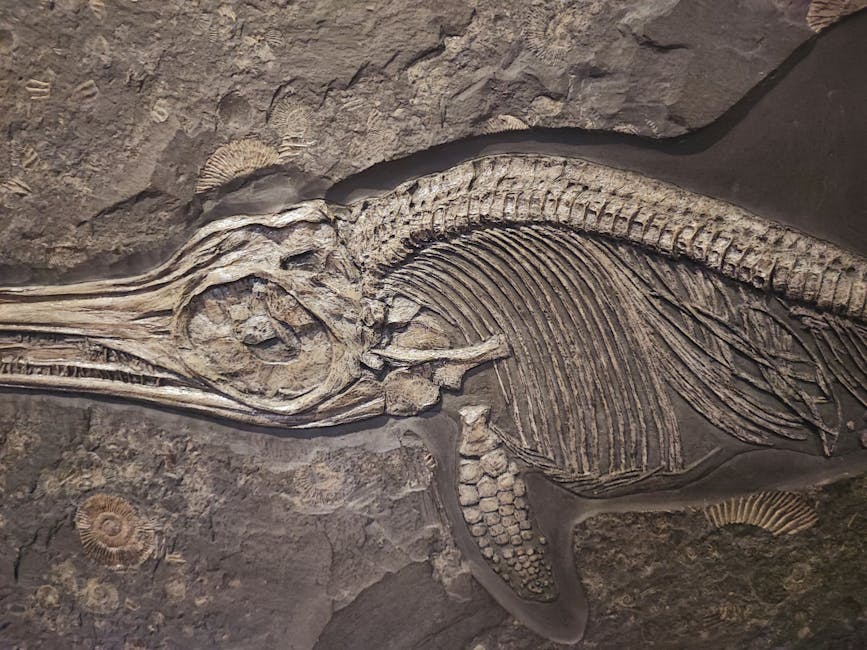
- A 100 million-year-old snake fossil from Argentina has revealed that early snakes had hind legs and cheekbones, challenging the traditional view of snake evolution.
- The fossil suggests that early snakes were large, predatory creatures capable of taking down larger prey, rather than the small burrowers previously thought.
- This discovery provides a unique insight into the evolutionary history of snakes, highlighting how much our understanding of their origins can change.
- The fossil of Najash rionegrina shows that snakes evolved from powerful predators rather than small lizards, impacting our view of snake ecology in ancient ecosystems.
- The finding of hind legs and distinctive cheekbones in the fossil indicates a different lifestyle for early snakes compared to modern snakes, suggesting they were more terrestrial and less aquatic.
The discovery of a 100 million-year-old snake fossil in Argentina has sent shockwaves through the scientific community, challenging long-held assumptions about the evolution of snakes. The remarkably preserved fossil of Najash rionegrina has revealed that snakes once had hind legs and a distinctive cheekbone that has almost vanished in modern species. This finding has significant implications for our understanding of snake origins, suggesting that early snakes were large, wide-mouthed predators rather than tiny burrowers. The fossil’s discovery is a major breakthrough in the field of paleontology, providing a unique glimpse into the history of these fascinating creatures.
The Evolutionary History of Snakes

For decades, scientists have debated the origins of snakes, with some arguing that they evolved from small, burrowing lizards. However, the discovery of the Najash rionegrina fossil suggests that this theory may be incorrect. The fossil’s well-preserved hind legs and cheekbone indicate that early snakes were likely large and powerful predators, capable of taking down prey much larger than themselves. This challenges the traditional view of snakes as slender, agile hunters, and instead suggests that they may have played a more dominant role in ancient ecosystems. As scientists continue to study the fossil, they are gaining a deeper understanding of the complex and often surprising history of snake evolution.
Key Characteristics of the Fossil

The Najash rionegrina fossil is a remarkable specimen, with a number of characteristics that set it apart from modern snakes. Its hind legs, although small, are clearly visible, and its cheekbone is a distinctive feature that has almost disappeared in modern species. The fossil’s wide mouth and powerful jaws also suggest that it was a formidable predator, capable of taking down a variety of prey. The discovery of this fossil has significant implications for our understanding of snake evolution, and has already sparked a lively debate among scientists about the origins of these fascinating creatures. As researchers continue to study the fossil, they are gaining a deeper understanding of the complex and often surprising history of snake evolution.
Analysis of the Fossil’s Significance
The discovery of the Najash rionegrina fossil has significant implications for our understanding of snake evolution, and has already challenged a number of long-held assumptions about the origins of these creatures. The fossil’s well-preserved hind legs and cheekbone suggest that early snakes were likely large and powerful predators, and its wide mouth and powerful jaws indicate that it was capable of taking down a variety of prey. The fossil’s discovery has also sparked a lively debate among scientists about the origins of snakes, with some arguing that they evolved from small, burrowing lizards, while others suggest that they may have originated from larger, more powerful predators. As researchers continue to study the fossil, they are gaining a deeper understanding of the complex and often surprising history of snake evolution.
Implications of the Discovery
The discovery of the Najash rionegrina fossil has significant implications for our understanding of snake evolution, and is likely to challenge a number of long-held assumptions about the origins of these creatures. The fossil’s well-preserved hind legs and cheekbone suggest that early snakes were likely large and powerful predators, and its wide mouth and powerful jaws indicate that it was capable of taking down a variety of prey. This discovery is likely to have a major impact on the field of paleontology, and is already sparking a lively debate among scientists about the origins of snakes. As researchers continue to study the fossil, they are gaining a deeper understanding of the complex and often surprising history of snake evolution, and are shedding new light on the fascinating and often mysterious world of ancient creatures.
Expert Perspectives
Scientists are hailing the discovery of the Najash rionegrina fossil as a major breakthrough in the field of paleontology, and are already weighing in with their opinions on the significance of the find. Some experts believe that the fossil provides conclusive evidence that snakes evolved from large, powerful predators, while others argue that it is still too early to draw firm conclusions. As the debate continues, one thing is clear: the discovery of the Najash rionegrina fossil is a major milestone in our understanding of snake evolution, and is likely to have a lasting impact on the field of paleontology.
As researchers continue to study the fossil, they are likely to uncover even more secrets about the origins of snakes. One of the key questions that remains to be answered is how snakes eventually lost their hind legs, and what drove this significant change in their evolution. As scientists ponder this question, they are likely to shed new light on the fascinating and often mysterious world of ancient creatures, and to gain a deeper understanding of the complex and often surprising history of life on Earth. With the discovery of the Najash rionegrina fossil, the story of snake evolution has taken a dramatic and unexpected turn, and is likely to continue to unfold in exciting and unexpected ways in the years to come.