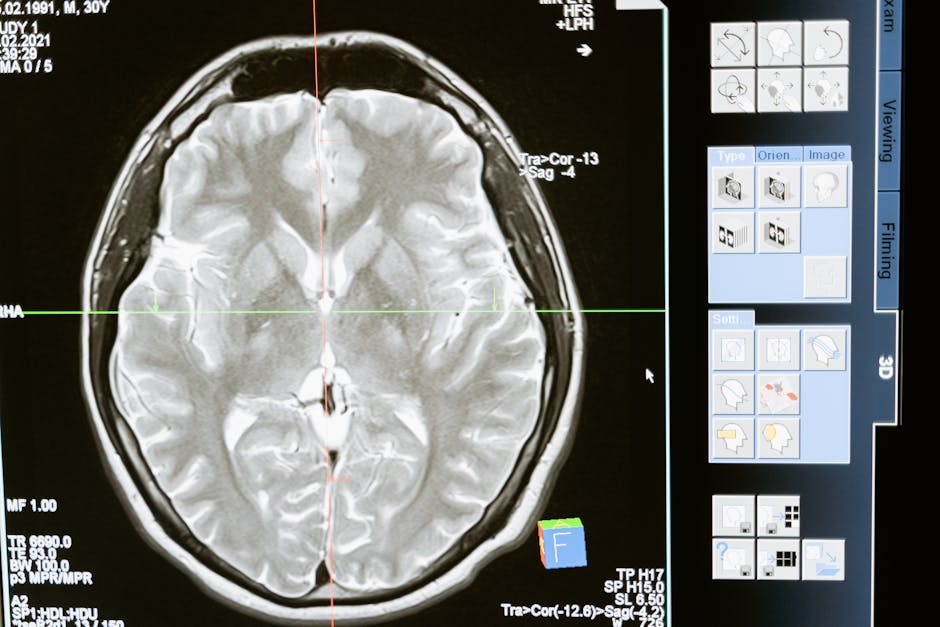
- Scientists have identified two specific types of brain cells linked to depression.
- Depression affects approximately 280 million individuals worldwide.
- The neural basis of depression has long been shrouded in mystery, hindering effective treatments.
- Recent advances in genetic tools have enabled researchers to analyze brain tissue with unprecedented precision.
- This discovery may ultimately pave the way for novel therapeutic approaches to treat depression.
Depression is a pervasive and often debilitating mental health disorder that affects millions of people worldwide, with approximately 280 million individuals experiencing depression globally. Despite its widespread impact, the underlying mechanisms of depression have long been shrouded in mystery, hindering the development of effective treatments. However, a recent groundbreaking study has shed new light on the neural underpinnings of depression, revealing that two specific types of brain cells are implicated in the disorder. This discovery has significant implications for our understanding of depression and may ultimately pave the way for novel therapeutic approaches.
Uncovering the Neural Basis of Depression

The quest to understand the neural basis of depression has been an ongoing endeavor for decades, with researchers employing a range of techniques to unravel the complexities of the disorder. Recent advances in genetic tools have enabled scientists to analyze donated brain tissue with unprecedented precision, yielding a wealth of new information about the biological mechanisms underlying depression. By leveraging these cutting-edge technologies, researchers have been able to identify subtle changes in brain cell function and structure that are associated with the disorder. This newfound understanding of the neural correlates of depression has the potential to revolutionize the field of mental health research and treatment.
Key Players in the Depressive Brain

At the heart of the recent breakthrough are two distinct types of brain cells: neurons and microglia. Neurons are the primary functional units of the brain, responsible for processing and transmitting information. In individuals with depression, researchers found that neurons linked to mood and stress regulation exhibit altered behavior, contributing to the characteristic symptoms of the disorder. Microglia, on the other hand, are immune-related cells that play a crucial role in maintaining the health and integrity of the brain. The study revealed that microglia cells in individuals with depression display changes in their gene expression profiles, suggesting a disruption in the normal functioning of these cells. These findings provide compelling evidence that depression is rooted in biological mechanisms, rather than simply being a product of emotional or psychological factors.
Disruptions in Key Brain Systems
The identification of specific brain cell types implicated in depression has significant implications for our understanding of the disorder. The changes observed in neurons and microglia cells point to disruptions in key brain systems, including those involved in mood regulation, stress response, and immune function. These disruptions may contribute to the development and maintenance of depressive symptoms, including low mood, anhedonia, and fatigue. Furthermore, the study’s findings suggest that depression may be characterized by a complex interplay between multiple brain cell types, highlighting the need for a more nuanced and multifaceted approach to understanding and treating the disorder.
Implications for Treatment and Understanding
The discovery of specific brain cell types linked to depression has far-reaching implications for the development of novel therapeutic approaches. By targeting the underlying biological mechanisms of the disorder, rather than simply treating its symptoms, researchers may be able to create more effective and sustained treatments for depression. Additionally, this newfound understanding of the neural basis of depression may help to reduce the stigma associated with the disorder, emphasizing that it is a legitimate medical condition with biological roots. As the field of mental health research continues to evolve, it is likely that this breakthrough will have a lasting impact on our understanding and treatment of depression.
Expert Perspectives
Experts in the field of mental health research have welcomed the study’s findings, highlighting the significance of this breakthrough for the development of novel treatments. “This study provides compelling evidence that depression is a biological disorder, rather than simply a product of emotional or psychological factors,” noted one expert. “By targeting the underlying mechanisms of the disorder, we may be able to create more effective and sustained treatments for depression.” Others have emphasized the need for further research, highlighting the complexity of the disorder and the need for a more nuanced understanding of its underlying mechanisms.
As researchers continue to build upon this groundbreaking study, it is likely that new and exciting developments will emerge in the field of depression research. One key question that remains to be answered is how these findings will be translated into clinical practice, and what implications this may have for the treatment of depression. As the field of mental health research continues to evolve, it is clear that this breakthrough will have a lasting impact on our understanding and treatment of this pervasive and often debilitating disorder.