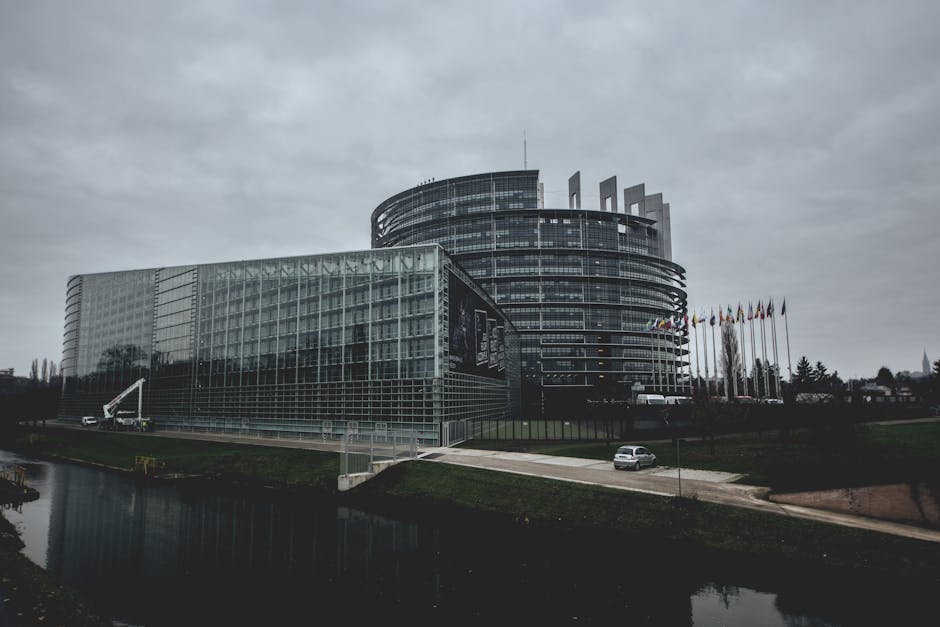
- The European Union has approved a 90bn euro loan package for Ukraine to support its economy.
- The loan package is designed to be disbursed over several years with the first tranche by May or June.
- The EU’s financial assistance aims to help Ukraine recover from economic losses and rebuild its economy.
- The loan package is seen as a way to counter Russia’s influence in the region and promote European values.
- Ukraine’s GDP contracted by over 30% in 2022 due to the ongoing conflict with Russia.
The European Union has formally approved a 90bn euro loan package for Ukraine, in a significant move to support the war-torn country’s economy. This development comes as Ukrainian President Volodymyr Zelenskyy welcomes the decision, emphasizing the need for the first tranche to be disbursed by May or June. The loan package is part of the EU’s efforts to provide financial assistance to Ukraine, which has been severely impacted by the ongoing conflict with Russia. The approval of the loan package is seen as a crucial step in supporting Ukraine’s economic stability and resilience in the face of Russian aggression.
Background and Context

The EU’s decision to approve the loan package for Ukraine is a testament to the bloc’s commitment to supporting the country’s sovereignty and territorial integrity. The conflict between Ukraine and Russia has resulted in significant economic losses for Ukraine, with the country’s GDP contracting by over 30% in 2022. The EU’s financial assistance is aimed at helping Ukraine to recover from the economic shock and to support the country’s efforts to rebuild and reform its economy. The loan package is also seen as a way to counter Russia’s influence in the region and to promote European values and stability.
Key Details of the Loan Package

The 90bn euro loan package is expected to be disbursed over several years, with the first tranche of 3bn euros expected to be released by May or June. The loan package is designed to support Ukraine’s economic recovery and to help the country to meet its short-term financing needs. The EU has also imposed new sanctions on Russia, targeting key sectors such as energy, finance, and defense. The sanctions are aimed at increasing pressure on Russia to end the conflict and to respect Ukraine’s sovereignty and territorial integrity. The loan package and sanctions are seen as a coordinated effort by the EU to support Ukraine and to counter Russian aggression.
Analysis and Implications
The EU’s decision to approve the loan package and impose new sanctions on Russia has significant implications for the conflict in Ukraine. The loan package is expected to provide a much-needed boost to Ukraine’s economy, helping the country to recover from the economic shock and to support its efforts to rebuild and reform. The sanctions on Russia are aimed at increasing pressure on the country to end the conflict and to respect Ukraine’s sovereignty and territorial integrity. However, the impact of the sanctions on Russia’s economy is expected to be limited, at least in the short term. The Russian government has taken steps to mitigate the impact of the sanctions, including increasing its foreign exchange reserves and diversifying its economy.
Implications for Ukraine and the Region
The EU’s decision to approve the loan package and impose new sanctions on Russia has significant implications for Ukraine and the region. The loan package is expected to provide a much-needed boost to Ukraine’s economy, helping the country to recover from the economic shock and to support its efforts to rebuild and reform. The sanctions on Russia are aimed at increasing pressure on the country to end the conflict and to respect Ukraine’s sovereignty and territorial integrity. The implications of the EU’s decision are also expected to be felt in other countries in the region, including Moldova, Georgia, and Belarus. These countries are seen as vulnerable to Russian influence and are expected to benefit from the EU’s efforts to promote stability and security in the region.
Expert Perspectives
Experts have welcomed the EU’s decision to approve the loan package and impose new sanctions on Russia, seeing it as a significant step in supporting Ukraine’s economy and counteracting Russian aggression. However, some experts have also expressed concerns about the potential impact of the sanctions on Russia’s economy and the potential for escalation in the conflict. Others have argued that the loan package is not enough to address the scale of Ukraine’s economic challenges and that more needs to be done to support the country’s recovery and reform efforts.
The EU’s decision to approve the loan package and impose new sanctions on Russia is seen as a significant development in the conflict in Ukraine. As the situation continues to evolve, it remains to be seen how the loan package and sanctions will impact the conflict and the region as a whole. One key question is how Russia will respond to the new sanctions and whether the EU’s efforts will be enough to bring an end to the conflict. The coming months will be crucial in determining the outcome of the conflict and the future of the region.