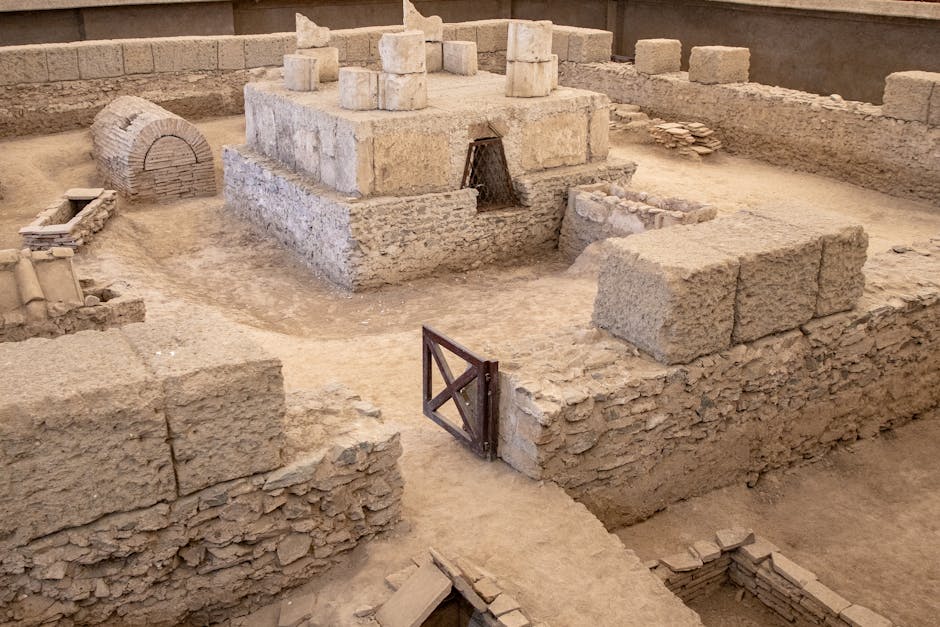
The discovery of a mass grave in ancient Jordan has shed new light on one of history’s first recorded pandemics, the Plague of Justinian, which ravaged the Byzantine Empire 1,500 years ago. The grave, containing the remains of hundreds of individuals, is a chilling reminder of the devastating impact of pandemics on human societies. According to historians, the Plague of Justinian, named after the Byzantine Emperor Justinian I, is believed to have killed approximately 25 million people, roughly 10% of the world’s population at the time. The sheer scale of the disaster is a stark warning of the potential consequences of infectious diseases and the importance of understanding how they spread and affect communities.
The Plague of Justinian: A Pandemic of Unprecedented Proportions

The Plague of Justinian was a watershed moment in human history, marking one of the first recorded instances of a pandemic with far-reaching consequences. The plague, caused by the bubonic plague bacterium, spread rapidly throughout the Byzantine Empire, infecting millions of people and leaving a trail of death and destruction in its wake. The pandemic had a profound impact on the social, economic, and cultural fabric of the affected regions, leading to significant changes in the way people lived, interacted, and perceived the world around them. As historians and archaeologists continue to study the plague, they are gaining a deeper understanding of how it affected different communities and the ways in which people responded to the crisis.
Uncovering the Mass Grave: A Glimpse into the Past

The mass grave, discovered in ancient Jordan, is a significant archaeological find that provides a unique glimpse into the lives of people living during the time of the Plague of Justinian. The grave, containing the remains of hundreds of individuals, is believed to have been dug in a matter of days, suggesting that the plague spread rapidly and caught the local population off guard. The fact that people from different regions and backgrounds were buried together in a single grave is a powerful testament to the devastating impact of the plague, which transcended social, economic, and cultural boundaries. As archaeologists continue to excavate the site, they are uncovering valuable insights into the daily lives of people living during this period, including their diet, lifestyle, and cultural practices.
Understanding the Pandemic: Causes, Effects, and Consequences
The Plague of Justinian was a complex and multifaceted disaster that was caused by a combination of factors, including trade, migration, and environmental changes. The plague bacterium, transmitted through the bites of infected fleas, spread rapidly throughout the Byzantine Empire, infecting millions of people and causing widespread panic and disruption. The pandemic had a profound impact on the economy, leading to trade disruptions, food shortages, and significant changes in the social and cultural fabric of the affected regions. As historians and experts continue to study the plague, they are gaining a deeper understanding of the causes, effects, and consequences of the pandemic, including the ways in which it reshaped human societies and influenced the course of history.
Implications of the Pandemic: A Lasting Legacy
The Plague of Justinian had a lasting impact on human societies, leading to significant changes in the way people lived, interacted, and perceived the world around them. The pandemic, which occurred during a time of significant social, economic, and cultural change, accelerated existing trends and created new opportunities for growth and development. The fact that people from different regions and backgrounds were affected by the plague is a powerful reminder of the interconnectedness of human societies and the need for cooperation and collaboration in the face of adversity. As the world continues to grapple with the challenges of infectious diseases, the legacy of the Plague of Justinian serves as a stark warning of the potential consequences of pandemics and the importance of understanding how they spread and affect communities.
Expert Perspectives
Historians and experts are divided on the long-term impact of the Plague of Justinian, with some arguing that it marked a significant turning point in human history and others suggesting that its effects were more nuanced and complex. According to Dr. Maria Byrne, a historian specializing in the Byzantine Empire, the plague had a profound impact on the social and cultural fabric of the affected regions, leading to significant changes in the way people lived and interacted. In contrast, Dr. John Taylor, an archaeologist specializing in ancient diseases, suggests that the plague was just one of many factors that contributed to the decline of the Byzantine Empire, and that its impact should not be exaggerated. As experts continue to debate the significance of the Plague of Justinian, they are gaining a deeper understanding of the complex and multifaceted nature of pandemics and their impact on human societies.
As the world continues to grapple with the challenges of infectious diseases, the discovery of the mass grave in ancient Jordan serves as a timely reminder of the importance of understanding how pandemics spread and affect communities. The Plague of Justinian, which occurred 1,500 years ago, is a powerful warning of the potential consequences of infectious diseases and the need for cooperation and collaboration in the face of adversity. As historians, archaeologists, and experts continue to study the plague, they are uncovering valuable insights into the daily lives of people living during this period, including their diet, lifestyle, and cultural practices. The question remains, what can we learn from the past to inform our response to future pandemics, and how can we work together to mitigate the impact of infectious diseases on human societies?