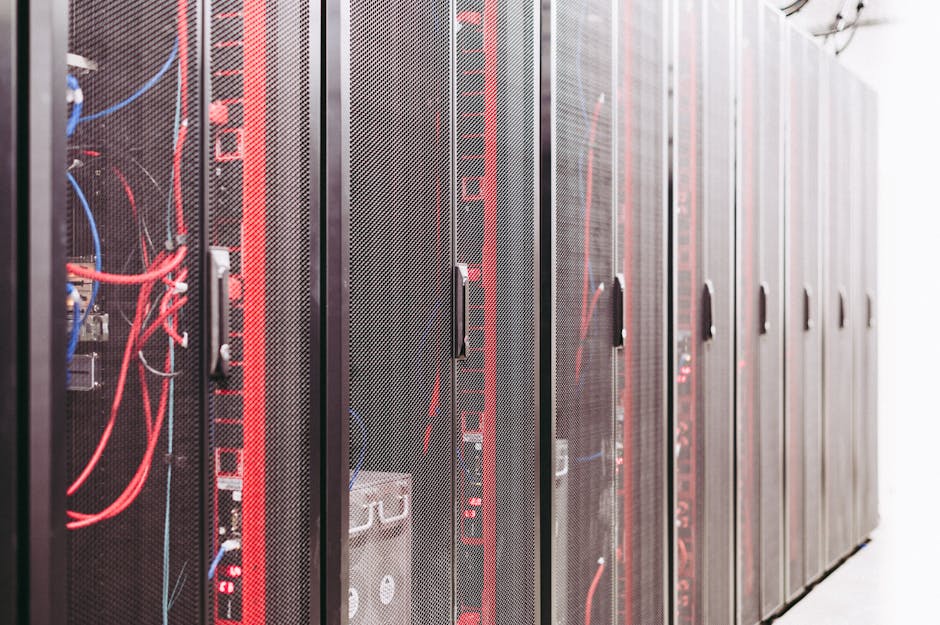
- The AI compute crunch is a global shortage of computing power driven by the rapid growth of the AI industry.
- The demand for computing power far outstrips supply, limiting the development of new AI technologies and increasing costs.
- The compute crunch affects various industries, including healthcare, finance, and transportation, due to the increasing use of AI and machine learning.
- The shortage of computing power is a major concern for the entire economy as it hinders innovation and growth in the AI industry.
- To address the issue, there is a need to increase the supply of computing power to meet the growing demand from businesses and researchers.
The world is in the midst of an AI compute crunch, with demand for computing power far outstripping supply. This shortage is having far-reaching effects on the economy, from limiting the development of new AI technologies to increasing costs for businesses and consumers. In fact, the compute crunch is so severe that it’s being felt across industries, from healthcare to finance to transportation. With the use of AI and machine learning on the rise, the need for computing power is only going to continue to grow, making this crunch a major concern for the entire economy.
The Rise of AI and the Compute Crunch

The AI compute crunch is a result of the rapid growth of the AI industry, which has been driven by advances in machine learning and the increasing availability of large datasets. As more and more businesses turn to AI to improve their operations and gain a competitive edge, the demand for computing power has skyrocketed. However, the supply of computing power has not kept pace, leading to a severe shortage. This shortage is having a major impact on the development of new AI technologies, as researchers and developers are forced to wait in line for access to computing resources. With the compute crunch showing no signs of easing, it’s clear that something needs to be done to address this issue and ensure that the AI industry can continue to grow and thrive.
Key Players and Technologies

The AI compute crunch is affecting a wide range of companies and organizations, from tech giants like Google and Amazon to smaller startups and research institutions. These companies are being forced to get creative in order to access the computing power they need, from building their own data centers to partnering with cloud computing providers. Some of the key technologies being impacted by the compute crunch include natural language processing, computer vision, and predictive analytics. These technologies are critical to the development of many AI applications, and the compute crunch is making it difficult for companies to bring these applications to market. With the demand for these technologies continuing to grow, it’s clear that the compute crunch is going to be a major challenge for the AI industry in the years to come.
Causes and Effects of the Compute Crunch
The causes of the AI compute crunch are complex and multifaceted. One major factor is the increasing demand for computing power, which is being driven by the growing use of AI and machine learning. Another factor is the limited supply of computing resources, which is being exacerbated by the high cost of building and maintaining data centers. The effects of the compute crunch are far-reaching, from limiting the development of new AI technologies to increasing costs for businesses and consumers. In addition, the compute crunch is also having an impact on the environment, as the energy required to power data centers is contributing to greenhouse gas emissions. With the compute crunch showing no signs of easing, it’s clear that something needs to be done to address this issue and ensure that the AI industry can continue to grow and thrive in a sustainable way.
Implications of the Compute Crunch
The implications of the AI compute crunch are significant, and will be felt across the entire economy. One of the most immediate effects will be on the development of new AI technologies, which will be slowed by the limited availability of computing resources. This will have a ripple effect throughout the economy, as companies and organizations that rely on AI and machine learning will be forced to wait longer for new technologies to come to market. In addition, the compute crunch will also have an impact on the cost of goods and services, as companies are forced to pass on the increased costs of computing resources to their customers. With the compute crunch showing no signs of easing, it’s clear that this issue will be a major challenge for the economy in the years to come.
Expert Perspectives
Experts in the field are weighing in on the AI compute crunch, and the consensus is that something needs to be done to address this issue. Some experts are calling for increased investment in computing infrastructure, while others are advocating for the development of more efficient AI algorithms that require less computing power. One thing is clear: the AI compute crunch is a major challenge that will require a coordinated effort to solve. As one expert noted, “The compute crunch is a wake-up call for the AI industry, and it’s clear that we need to take action to address this issue and ensure that the industry can continue to grow and thrive.”
Looking to the future, it’s clear that the AI compute crunch will be a major challenge for the economy in the years to come. As the demand for computing power continues to grow, it’s likely that the compute crunch will only get worse unless something is done to address it. One question on everyone’s mind is: what will be the long-term effects of the compute crunch on the economy, and how will we adapt to this new reality? Only time will tell, but one thing is certain: the AI compute crunch is here to stay, and it’s going to have a major impact on the economy and the world at large.