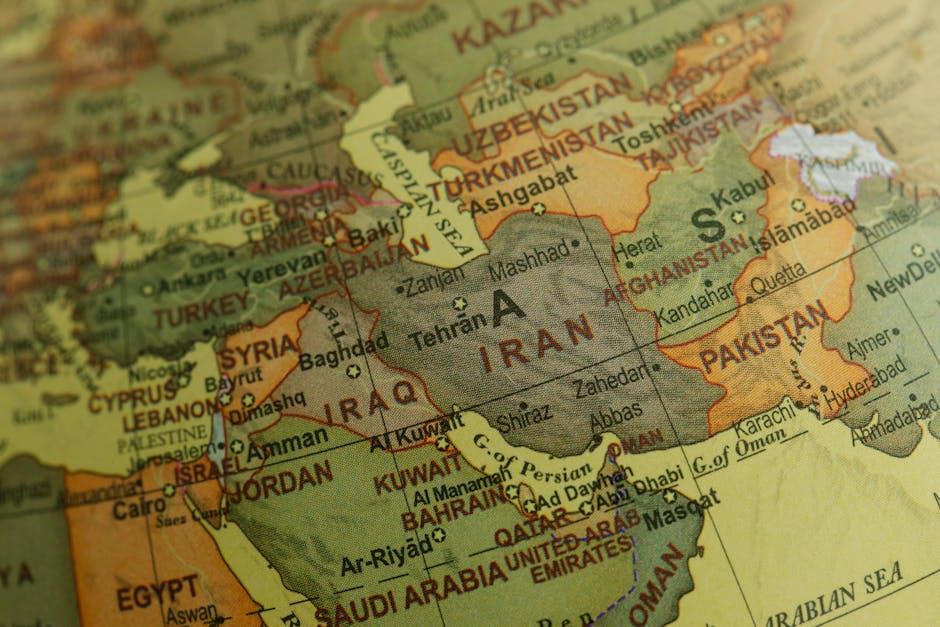
- Two cruise ships stranded in the Strait of Hormuz for weeks have finally cleared the waterway.
- The ships were operated with skeleton crews and no passengers, highlighting the risks of navigating the sensitive region.
- The Strait of Hormuz has been a source of concern for the global shipping industry due to its narrow waters and complex geopolitics.
- Tensions in the region have surged in recent years, with multiple incidents involving ships and naval vessels.
- The incident underscores the need for caution and diplomacy in the Strait of Hormuz, a critical waterway for global trade.
The Strait of Hormuz, a critical waterway connecting the Persian Gulf to the Arabian Sea, has been a focal point of geopolitical tension in recent months. In a striking turn of events, two cruise ships that had been stranded in the region for weeks have finally cleared the strait, bringing an end to a period of uncertainty for the vessels and their crews. The ships, which were operated by a major cruise line, had been carrying skeleton crews and no passengers, highlighting the significant risks and challenges associated with navigating this sensitive region.
Background and Context

The Strait of Hormuz has long been a source of concern for the global shipping industry, with its narrow waters and proximity to several countries with complex and often contentious relationships. In recent years, the region has experienced a surge in tensions, with multiple incidents involving ships and naval vessels. The stranding of the two cruise ships was just the latest in a series of events that have underscored the need for caution and diplomacy in the region. As the global economy continues to rely heavily on the free flow of goods and resources through the strait, the potential for disruption and conflict remains a pressing concern.
The Incident Unfolds

According to reports, the two cruise ships had been attempting to transit the Strait of Hormuz when they became stranded due to a combination of factors, including shifting regional alliances and heightened security concerns. The ships, which were identified as the MS Explorer and the MS Voyager, were forced to drop anchor and wait for clearance to proceed. During this time, the crew members on board were subject to strict safety protocols, with limited communication and no contact with the outside world. The cruise line responsible for the ships confirmed that the vessels were carrying only essential personnel and no passengers, emphasizing the extraordinary measures being taken to ensure the safety of all on board.
Analysis and Implications
The successful clearance of the Strait of Hormuz by the two cruise ships is a welcome development, but it also highlights the complex and often fraught nature of maritime operations in the region. Experts point to a range of factors that contribute to the challenges faced by ships in the strait, including the presence of multiple naval forces, the risk of piracy and terrorism, and the ever-present threat of accidental conflict. As the global shipping industry continues to navigate these risks, there is a growing recognition of the need for enhanced cooperation and diplomacy to mitigate the potential for disruption and instability. Data from recent years suggests that the number of ships transiting the Strait of Hormuz has remained relatively stable, despite the increased tensions, with many vessels taking alternative routes to avoid the region.
Regional Consequences
The stranding of the two cruise ships has significant implications for the regional economy and the global shipping industry as a whole. The Strait of Hormuz is a critical chokepoint for the transportation of oil and other essential resources, and any disruption to traffic in the region can have far-reaching consequences. The successful clearance of the ships is a positive development, but it also underscores the need for ongoing vigilance and cooperation to ensure the continued safe passage of vessels through the strait. As the region continues to evolve and new challenges emerge, it is likely that the Strait of Hormuz will remain a focal point of attention and concern for the global community.
Expert Perspectives
Experts in the field of maritime security and international relations offer contrasting viewpoints on the significance of the incident and its implications for the region. Some argue that the successful clearance of the ships is a testament to the effectiveness of diplomatic efforts and the commitment of regional actors to maintaining stability in the Strait of Hormuz. Others, however, point to the ongoing risks and challenges faced by ships in the region, emphasizing the need for continued caution and vigilance. As one expert noted, “The Strait of Hormuz remains a highly volatile and unpredictable environment, and the global shipping industry must remain alert to the potential for disruption and conflict.”
Looking ahead, the key question is what the future holds for maritime operations in the Strait of Hormuz. As the global economy continues to rely on the free flow of goods and resources through the region, the need for cooperation and diplomacy will only continue to grow. The international community will be watching closely as events unfold, with a keen eye on the potential for further incidents and the measures being taken to mitigate risk and ensure stability. One thing is certain: the Strait of Hormuz will remain a critical and contentious region for the foreseeable future, and the global shipping industry must be prepared to adapt and respond to the challenges that lie ahead.