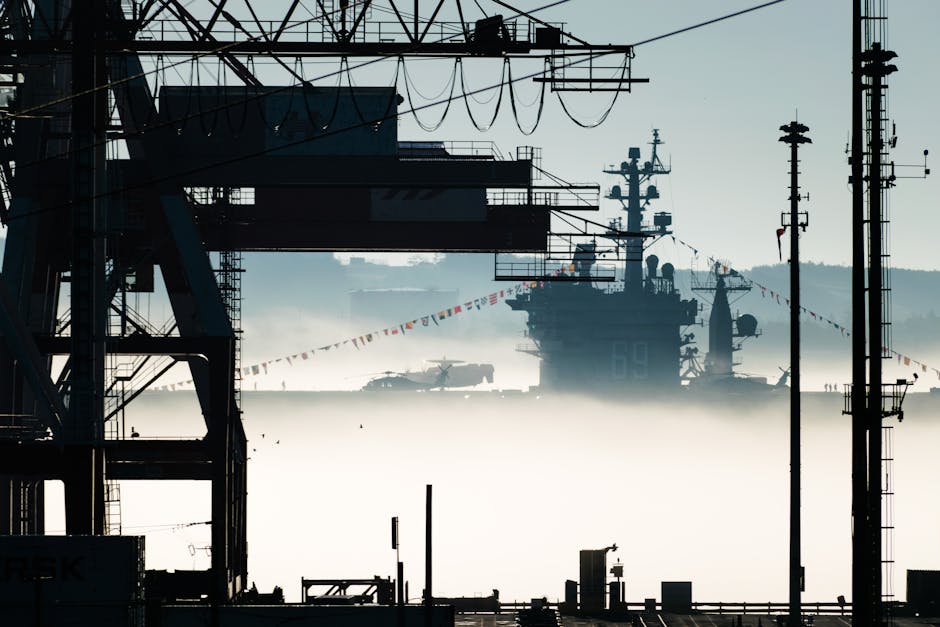
- US Navy Secretary John Phelan was fired by President Donald Trump amid a dispute over a potential blockade of Iran.
- Phelan clashed with Defence Secretary Pete Hegseth over the proposed blockade, citing concerns about its effectiveness and potential harm to US interests.
- The firing is the latest in a series of high-profile departures from the Trump administration, raising questions about military leadership stability.
- A proposed blockade of Iran would involve the US Navy intercepting and inspecting ships, potentially limiting oil exports and crippling Iran’s economy.
- The dispute highlights the ongoing tensions between the US and Iran, with many wondering about the future of their relations.
The United States Navy secretary, John Phelan, has been fired by President Donald Trump, amidst a dispute over a potential blockade of Iran. The move, which was announced on Tuesday, has sparked concerns over military leadership and raises questions about the future of US-Iran relations. According to sources, Phelan had clashed with Defence Secretary Pete Hegseth over the proposed blockade, which Phelan believed would be ineffective and potentially harmful to US interests. The firing of Phelan is the latest in a series of high-profile departures from the Trump administration, and has left many wondering about the stability of the US military leadership.
Background to the Dispute

The dispute between Phelan and Hegseth centres on a proposed blockade of Iran, which the US has been considering as a means of exerting pressure on the Iranian government. The blockade, which would involve the US Navy intercepting and inspecting ships travelling to and from Iran, has been seen as a way of limiting Iran’s ability to export oil and thereby crippling its economy. However, Phelan and other military leaders have expressed concerns about the effectiveness of such a blockade, citing the potential for it to escalate tensions with Iran and potentially lead to conflict. The dispute has been ongoing for several weeks, with Phelan and Hegseth engaging in a series of heated exchanges over the proposed blockade.
The Firing of John Phelan

Phelan’s firing was announced on Tuesday, with the White House releasing a statement saying that the President had lost confidence in his ability to lead the Navy. The statement did not provide any further details about the reasons behind Phelan’s firing, but sources have confirmed that it was related to the dispute over the Iran blockade. Phelan had been Navy secretary since 2017, and had previously served as a naval officer and a defence consultant. His firing has been seen as a surprise, given his experience and reputation as a skilled military leader. The move has also sparked concerns about the stability of the US military leadership, with many wondering who will replace Phelan and how the Navy will be affected by his departure.
Analysis of the Situation
The firing of Phelan has significant implications for the US military and its relations with Iran. The proposed blockade, which Phelan had opposed, is still on the table, and it remains to be seen how the US will proceed. The move has also sparked concerns about the ability of the US military to provide effective advice to the President, with many wondering whether Phelan’s firing will have a chilling effect on the willingness of military leaders to speak out against policies they disagree with. Furthermore, the dispute has highlighted the deep divisions within the Trump administration over how to deal with Iran, with some officials advocating for a tougher approach and others pushing for a more diplomatic solution. As the situation continues to unfold, it remains to be seen how the US will navigate the complex and fraught landscape of US-Iran relations.
Implications of the Firing
The firing of Phelan has significant implications for the US military and its relations with Iran. The move has sparked concerns about the stability of the US military leadership, and has raised questions about the ability of the US to effectively navigate the complex landscape of US-Iran relations. The proposed blockade, which Phelan had opposed, is still on the table, and it remains to be seen how the US will proceed. The move has also sparked concerns about the potential for conflict with Iran, with many wondering whether the US is prepared for the potential consequences of such a move. As the situation continues to unfold, it remains to be seen how the US will navigate the complex and fraught landscape of US-Iran relations, and what the implications will be for the US military and its leadership.
Expert Perspectives
Experts have been quick to weigh in on the firing of Phelan, with many expressing concerns about the implications for the US military and its relations with Iran. Some have praised Phelan’s willingness to speak out against the proposed blockade, citing his commitment to providing effective and honest advice to the President. Others have expressed concerns about the ability of the US military to provide effective advice to the President, given the firing of Phelan and the potential chilling effect it may have on the willingness of military leaders to speak out against policies they disagree with. As one expert noted, “the firing of Phelan is a significant blow to the US military, and raises serious questions about the ability of the US to effectively navigate the complex landscape of US-Iran relations”.
As the situation continues to unfold, it remains to be seen what the future holds for the US military and its relations with Iran. One thing is certain, however: the firing of Phelan has sparked a significant and far-reaching debate about the role of the US military in shaping US foreign policy, and the implications of the move will be closely watched in the days and weeks to come. The key question now is what the US will do next, and how it will navigate the complex and fraught landscape of US-Iran relations. Will the US proceed with the proposed blockade, or will it seek a more diplomatic solution? Only time will tell, but one thing is certain: the firing of Phelan has marked a significant turning point in the ongoing saga of US-Iran relations.