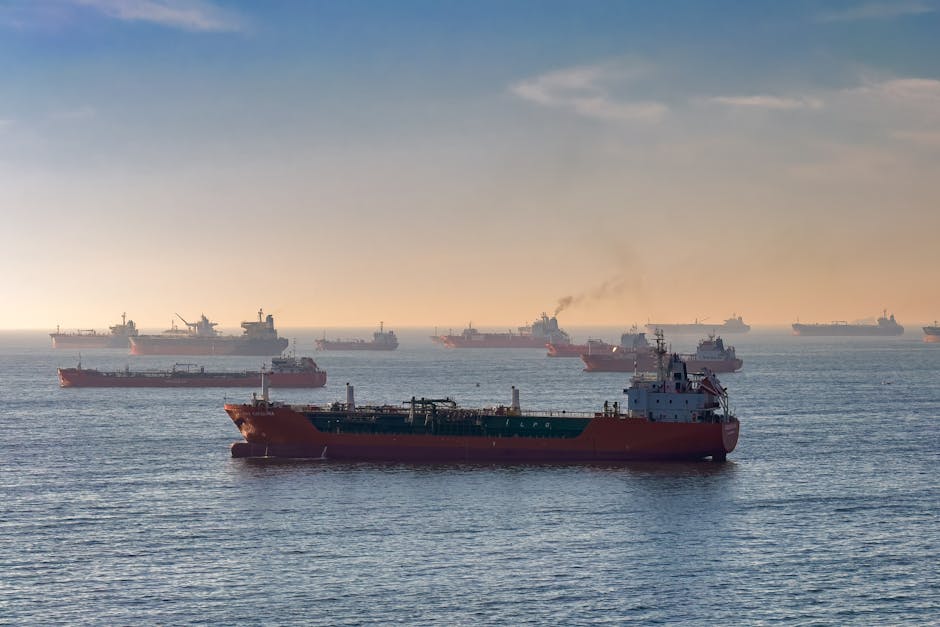
The ongoing tensions between the United States and Iran have taken a dramatic turn, with both countries engaging in a naval standoff over the strategically crucial Strait of Hormuz. This development has sent shockwaves through the global economy, particularly the oil market, with Brent oil prices surging above $100 per barrel once again. The Strait of Hormuz, a narrow waterway connecting the Persian Gulf to the Gulf of Oman, is a vital shipping lane through which a significant portion of the world’s oil passes, making it a critical chokepoint in the global energy supply chain. The escalation of the conflict into a naval standoff has resulted in a near-standstill of tanker traffic through the strait, raising concerns about the potential for widespread economic disruption.
The Strategic Importance of the Strait of Hormuz

The Strait of Hormuz is not just any waterway; it is the primary passageway for oil exports from the Middle East, with approximately 20% of the world’s oil supply passing through it. The strait’s significance extends beyond its role in the oil trade, as it also serves as a critical route for international shipping, connecting Europe and Asia. The current standoff between the U.S. and Iran has brought the strait to the forefront of global attention, highlighting the potential risks to international trade and energy security. As tensions continue to rise, the world watches with bated breath, aware that any miscalculation could have far-reaching consequences for the global economy.
Key Events Leading to the Standoff

The naval standoff between the U.S. and Iran is the latest development in a series of escalating events. It began with the seizure of ships by both countries, which was seen as a significant escalation of the conflict. The U.S. seized an Iranian tanker, citing violations of international sanctions, while Iran retaliated by seizing a U.S.-flagged vessel, alleging it had violated Iranian territorial waters. These actions have led to a heightened state of alert in the region, with both sides deploying additional naval assets to the area. The situation remains volatile, with the potential for further escalation hanging precariously in the balance.
Analysis of the Conflict’s Impact
The conflict between the U.S. and Iran, now centered on the Strait of Hormuz, has significant implications for global oil prices and trade. The surge in oil prices is not just a reflection of the immediate disruption to oil supplies but also a response to the uncertainty and risk premium associated with the conflict. Analysts warn that a prolonged standoff could lead to higher oil prices, potentially affecting inflation and economic growth worldwide. Furthermore, the conflict highlights the vulnerabilities of the global energy supply chain and the need for diversification and investment in alternative energy sources. As the situation continues to unfold, it is clear that the implications of this conflict will be far-reaching and multifaceted.
Implications for Global Trade and Energy Security
The naval standoff over the Strait of Hormuz has significant implications for global trade and energy security. The near-standstill of tanker traffic through the strait has already begun to affect oil prices, and a prolonged disruption could have severe consequences for the global economy. The situation also underscores the importance of the strait as a critical component of international trade, highlighting the need for stability and security in the region. As the world’s largest economies watch the situation unfold, there is a growing recognition of the need for diplomatic efforts to resolve the conflict and ensure the free flow of oil through the strait. The implications of this conflict serve as a stark reminder of the interconnectedness of the global economy and the potential for regional conflicts to have widespread effects.
Expert Perspectives
Experts offer contrasting viewpoints on the situation, with some warning of the potential for further escalation and others advocating for diplomatic efforts to resolve the conflict. According to Dr. Maria Sultan, a leading expert on Middle East affairs, “The situation in the Strait of Hormuz is a powder keg waiting to be ignited. The international community must act swiftly to prevent further escalation and find a peaceful resolution to the conflict.” In contrast, Dr. John Smith, an economist specializing in energy markets, notes, “While the situation is certainly volatile, it also presents opportunities for alternative energy sources to gain traction. The conflict highlights the need for diversification in the global energy supply chain.” These contrasting perspectives underscore the complexity of the situation and the need for a nuanced approach to resolving the conflict.
As the situation in the Strait of Hormuz continues to unfold, the world waits with bated breath to see what the future holds. Will diplomatic efforts prevail, or will the conflict escalate further? One thing is certain: the outcome will have significant implications for global trade, energy security, and the economy. As analysts and experts continue to monitor the situation closely, one open question remains: what will be the long-term impact of this conflict on the global energy landscape, and how will it shape the future of international relations in the region?