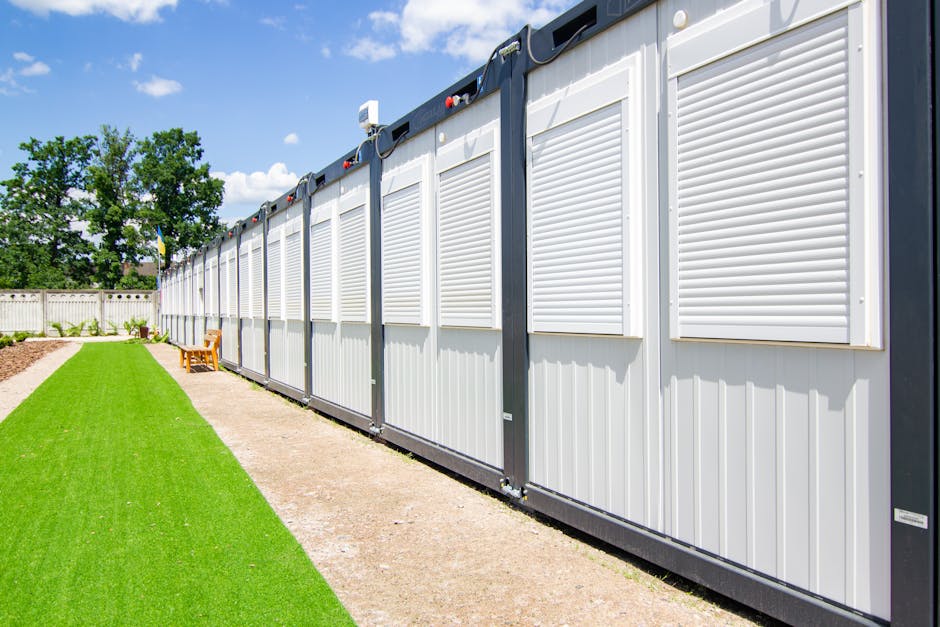
- A record number of families are residing in temporary accommodation, leading to widespread health issues among children.
- Families are being forced to live in cramped, dirty, and poorly maintained properties due to increasing demand for temporary housing.
- Children are experiencing persistent scratching and skin irritations, as well as respiratory problems, due to unsuitable living conditions.
- Many families are being placed in temporary accommodation for extended periods, sometimes for several years, exacerbating the issue.
- A cross-party report is demanding safer and more suitable living conditions for families affected by temporary accommodation.
A staggering number of families are coming forward to express their concerns about the condition of their temporary homes, citing a multitude of health issues that their children are experiencing. From persistent scratching and skin irritations to respiratory problems, the complaints are varied and widespread. With a record number of families currently residing in temporary accommodation, the situation is reaching crisis point, and many are now calling for urgent action to be taken to address the problem. The plight of these families has sparked a cross-party report, which is demanding safer and more suitable living conditions for those affected.
The Rise of Temporary Accommodation

The issue of temporary accommodation has been a growing concern in recent years, with more and more families finding themselves in need of a place to stay. This can be due to a variety of factors, including homelessness, domestic violence, and poverty. As the demand for temporary housing has increased, so too has the concern about the condition and suitability of these homes. Many families are being forced to live in cramped, dirty, and poorly maintained properties, which are having a devastating impact on their health and wellbeing. The situation is further complicated by the fact that many of these families are being placed in temporary accommodation for extended periods, sometimes for several years.
Unacceptable Conditions

Stories of families living in temporary accommodation are often shocking and disturbing. From homes infested with pests and vermin to properties with severe damp and mold problems, the conditions are frequently unacceptable. Families have reported finding cockroaches and rodents in their kitchens and bathrooms, and many have spoken about the constant struggle to keep their homes clean and hygienic. The lack of adequate heating and hot water is also a major concern, with many families being forced to rely on expensive and inefficient portable heaters. The physical and emotional toll of living in these conditions should not be underestimated, and it is little wonder that so many families are experiencing health problems as a result.
Health Consequences
The health consequences of living in temporary accommodation are far-reaching and devastating. Children are particularly vulnerable, with many experiencing respiratory problems, skin irritations, and other health issues. The stress and anxiety of living in poor conditions can also have a profound impact on mental health, with many families reporting feelings of depression and anxiety. Furthermore, the lack of stability and security that comes with living in temporary accommodation can make it difficult for families to access basic healthcare services, exacerbating existing health problems. As the situation continues to deteriorate, it is imperative that action is taken to address the root causes of the problem and provide safer, more suitable housing for those in need.
A Way Forward
The cross-party report is a welcome step towards addressing the issue of temporary accommodation and the health risks it poses to families. By calling for safer and more suitable living conditions, the report acknowledges the urgent need for action and provides a framework for moving forward. However, the report is only the first step, and it will require a concerted effort from policymakers, housing providers, and other stakeholders to bring about meaningful change. Families who are currently living in temporary accommodation deserve better, and it is our collective responsibility to ensure that they receive the support and protection they need to thrive.
Expert Perspectives
Experts in the field of housing and health are unanimous in their condemnation of the current state of temporary accommodation. Many have spoken out about the need for urgent reform, citing the devastating impact that poor housing can have on physical and mental health. While some have praised the cross-party report as a step in the right direction, others have expressed concerns that it does not go far enough in addressing the root causes of the problem. As the debate continues, one thing is clear: the current situation is unacceptable, and immediate action is needed to protect the health and wellbeing of families living in temporary accommodation.
As we look to the future, it is essential that we prioritize the needs of families living in temporary accommodation. This will require a fundamental shift in the way we approach housing policy, with a greater emphasis on providing safe, secure, and suitable homes for all. The question of how we achieve this is complex and multifaceted, but one thing is certain: we cannot continue to ignore the plight of families who are suffering as a result of poor housing. The time for action is now, and it is our collective responsibility to ensure that families receive the support and protection they deserve.