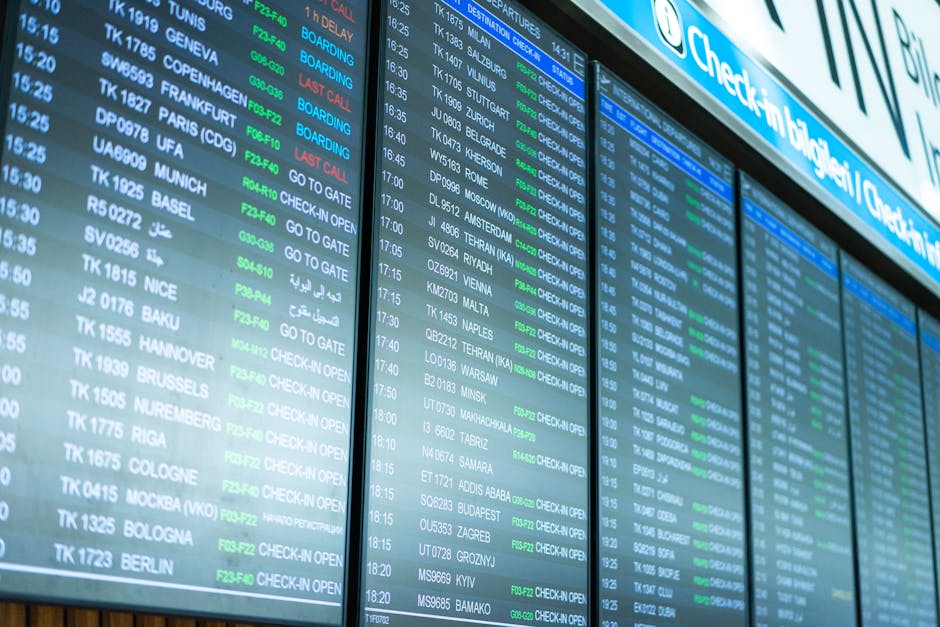
- The COVID-19 pandemic has severely impacted the airline industry, leading to significant declines in passenger traffic and revenue.
- Spirit Airlines is one of the largest ultra-low-cost carriers in the US and is on the verge of receiving a $500 million bailout.
- The bailout would provide much-needed financial support to Spirit Airlines, allowing it to continue operating and avoid potential bankruptcy.
- Many airlines have been forced to reduce operations, cut staff, and seek financial assistance due to the pandemic’s impact.
- The airline industry’s struggles highlight the urgent need for government support to prevent further industry decline.
Spirit Airlines, one of the largest ultra-low-cost carriers in the United States, is on the verge of receiving a $500 million bailout from the Trump administration. This move comes as the airline industry as a whole has been severely impacted by the COVID-19 pandemic, with many airlines struggling to stay afloat. The bailout, which is still pending final approval, would provide much-needed financial support to Spirit Airlines, allowing it to continue operating and avoid potential bankruptcy.
The State of the Airline Industry

The COVID-19 pandemic has had a devastating impact on the airline industry, with many airlines experiencing significant declines in passenger traffic and revenue. The pandemic has resulted in widespread travel restrictions, border closures, and a general decline in consumer confidence, all of which have contributed to the industry’s struggles. As a result, many airlines have been forced to reduce their operations, cut staff, and seek financial assistance to stay afloat. The situation is so dire that some airlines have even been forced to file for bankruptcy, highlighting the urgent need for government support.
Spirit Airlines’ Financial Woes

Spirit Airlines, in particular, has been struggling due to its business model, which relies heavily on high passenger volumes and low fares. The airline’s ultra-low-cost model, while successful in the past, has made it vulnerable to the current market conditions. With passenger traffic down significantly, Spirit Airlines has seen its revenue decline sharply, making it difficult for the airline to cover its operating costs. The $500 million bailout would provide the airline with the necessary funds to continue operating, pay its employees, and service its debt, thereby avoiding a potentially disastrous bankruptcy.
Analysis of the Bailout
The proposed bailout of Spirit Airlines has been met with mixed reactions from industry experts and lawmakers. While some argue that the bailout is necessary to prevent the loss of thousands of jobs and to maintain the stability of the airline industry, others argue that it sets a bad precedent and could be seen as a bailout of a poorly managed company. Additionally, there are concerns that the bailout may not be enough to address the underlying issues facing the airline industry, and that more comprehensive support may be needed to ensure the long-term viability of the industry. From a data perspective, the airline industry has seen a significant decline in passenger traffic, with some estimates suggesting a decline of up to 90% in certain markets.
Implications of the Bailout
The implications of the Spirit Airlines bailout are far-reaching, with potential consequences for the entire airline industry. If the bailout is successful, it could set a precedent for other airlines to seek similar assistance, potentially leading to a broader industry bailout. On the other hand, if the bailout is unsuccessful, it could lead to the collapse of Spirit Airlines, resulting in the loss of thousands of jobs and disruption to the travel plans of millions of passengers. Furthermore, the bailout could also have implications for the broader economy, as the airline industry is a significant contributor to GDP and employment.
Expert Perspectives
Industry experts have varying opinions on the proposed bailout of Spirit Airlines. Some, such as airline analyst Helane Becker, argue that the bailout is necessary to prevent a catastrophic failure of the airline industry, while others, such as economist Joseph Stiglitz, argue that the bailout is a misguided attempt to prop up a struggling industry. According to Becker, “the airline industry is facing an unprecedented crisis, and the bailout is necessary to prevent a complete collapse of the industry.” In contrast, Stiglitz argues that “the bailout is a short-term solution that fails to address the underlying issues facing the industry.”
Looking ahead, the future of the airline industry remains uncertain. As the COVID-19 pandemic continues to evolve, it is unclear when passenger traffic will return to pre-pandemic levels. One open question is whether the bailout will be enough to sustain Spirit Airlines and the broader industry, or whether more comprehensive support will be needed to ensure the long-term viability of the industry. Additionally, there are concerns about the potential long-term consequences of the bailout, including the potential for moral hazard and the impact on the broader economy.