- Radiotherapies, a new generation of cancer treatments, show promise in clinical trials, using radioactive atoms to target and destroy cancer cells.
- A shortage of radioactive atoms, like lutetium-177, threatens to limit access to these life-saving treatments due to increased demand.
- Manufacturers are struggling to keep pace with the rising demand for radioactive atoms, used in radiotherapies, due to complex production processes.
- Companies are exploring alternative sources, including refining radioactive atoms from nuclear waste, to mitigate the shortage.
- The shortage of radioactive atoms has significant implications for cancer patients, potentially limiting access to effective treatments.
The world is on the cusp of a revolution in cancer treatment, with a new generation of radiotherapies showing unprecedented promise in clinical trials. However, this progress is threatened by a looming shortage of the very substances that make these treatments possible: radioactive atoms. The most commonly used radioactive atom, lutetium-177, is in short supply, and the demand is expected to increase exponentially in the coming years. This has sparked a frantic search for alternative sources, with companies scrambling to refine radioactive atoms from an unlikely place: nuclear waste.
The Radioactive Atom Shortage

The rise of radiotherapies has been swift and decisive, with several new treatments gaining approval in recent years. These treatments, which use radioactive atoms to selectively target and destroy cancer cells, have shown remarkable efficacy in clinical trials. However, the production of these radioactive atoms is a complex and time-consuming process, involving the irradiation of precursor materials in nuclear reactors. As the demand for these treatments grows, so too does the demand for the radioactive atoms themselves, leaving manufacturers struggling to keep pace. This shortage has significant implications, as it threatens to limit access to these life-saving treatments for patients in need.
Refining Radioactive Atoms from Nuclear Waste

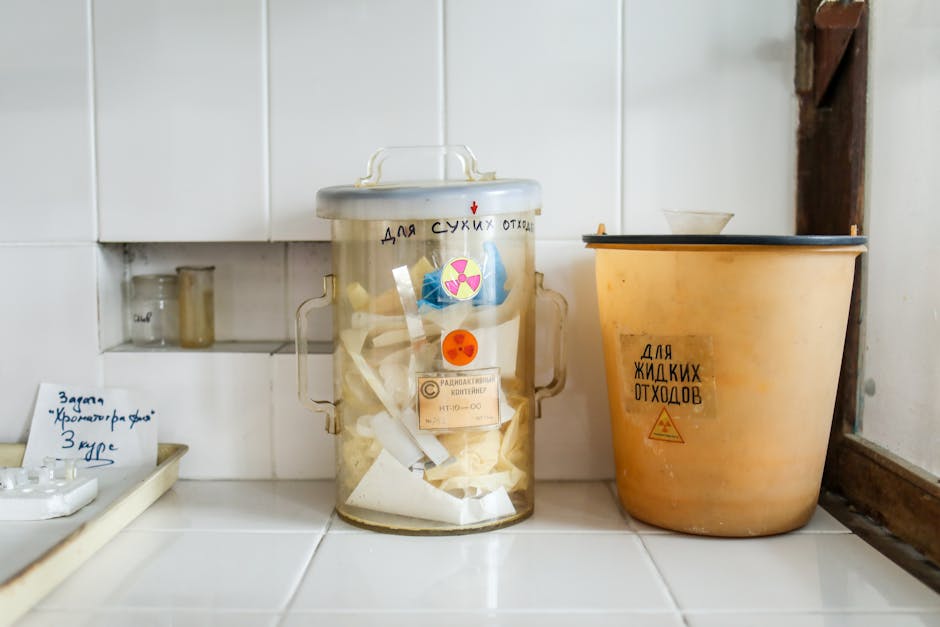
Companies are now exploring innovative methods to refine radioactive atoms from nuclear waste, a process that was previously considered too costly and complex. Nuclear waste, which is typically stored in secure facilities, contains a cocktail of radioactive isotopes, including some that are highly prized for their medicinal properties. By developing new technologies to extract and purify these isotopes, companies hope to create a new source of supply that can meet the growing demand for radiotherapies. This approach not only offers a solution to the shortage but also provides a new opportunity for the nuclear industry to redefine its relationship with waste, transforming a liability into a valuable resource.
The Science Behind Radioactive Atom Refining
The process of refining radioactive atoms from nuclear waste is a intricate one, requiring significant advances in separation and purification technologies. Scientists must first identify the specific isotopes present in the waste, before developing targeted methods to extract and isolate them. This can involve a range of techniques, from chemical separation to advanced filtration systems. Once the isotopes have been purified, they must be formulated into a usable form, which can involve the creation of specialized radiopharmaceuticals. This complex process requires close collaboration between nuclear scientists, chemists, and pharmacologists, highlighting the interdisciplinary nature of this emerging field.
Implications for Cancer Treatment
The successful refinement of radioactive atoms from nuclear waste would have profound implications for cancer treatment, enabling the widespread adoption of radiotherapies that are currently in short supply. This would be a major breakthrough for patients, who would gain access to highly effective treatments that can selectively target and destroy cancer cells, reducing the risk of harm to healthy tissue. The increased availability of these treatments would also drive innovation, as researchers explore new applications and combinations of radiotherapies, leading to further advances in cancer care. As the demand for these treatments continues to grow, the development of new sources of supply will be critical in ensuring that patients receive the care they need.
Expert Perspectives
Experts in the field are cautiously optimistic about the potential of refining radioactive atoms from nuclear waste, highlighting both the opportunities and challenges associated with this approach. While some see this as a game-changing development, others emphasize the need for further research and investment to overcome the technical and regulatory hurdles that remain. As one expert noted, “The use of nuclear waste as a source of medicinal isotopes is an intriguing idea, but it will require significant advances in technology and a concerted effort to address the complex regulatory framework that governs this field.”
As researchers and companies continue to explore the potential of refining radioactive atoms from nuclear waste, the future of cancer treatment hangs in the balance. Will this innovative approach provide the solution to the looming shortage, or will new challenges arise? One thing is certain: the development of new sources of supply will be critical in ensuring that patients receive the care they need, and the outcome of this endeavor will be closely watched by the medical community and beyond.