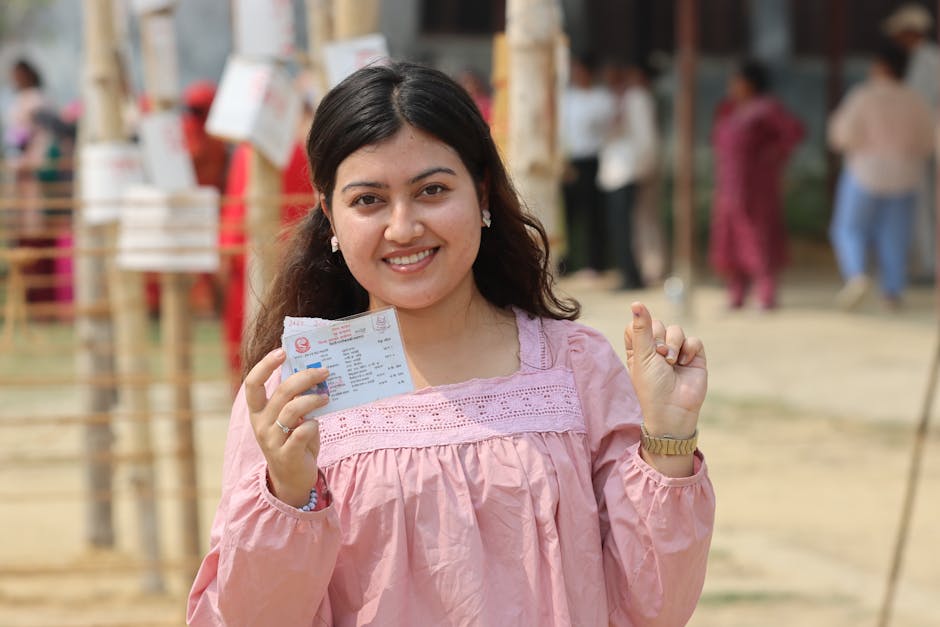
- More than 9 million voter names have been deleted from the rolls in West Bengal, sparking outrage and concern among the Indian Muslim community.
- The Indian Muslim community, which accounts for 27% of the state’s population, has been disproportionately affected by the purge.
- The deletions have led to fears that the community’s voices will not be heard in the election, sparking widespread discontent and anger.
- The issue has raised concerns about the potential for discriminatory practices and the erosion of democratic principles in the state.
- The deletions were reportedly carried out as part of a drive to remove duplicate and invalid voter names, but many are questioning the integrity of the process.
As millions of Indians in West Bengal head to the polls to cast their votes in the state election, a striking fact has emerged: more than 9 million names have been deleted from the voter rolls. This staggering figure has sparked widespread concern and outrage among the Indian Muslim community, who claim that they have been disproportionately affected by the purge. With many alleging that the deletions are a result of discriminatory practices, the issue has become a contentious point in the election, with many questioning the integrity of the electoral process.
The Disenfranchisement of Indian Muslims

The deletion of over 9 million voter names in West Bengal is a significant issue that has far-reaching implications for the state’s Muslim population. The Indian Muslim community, which accounts for approximately 27% of the state’s population, has long been a crucial voting bloc in West Bengal. However, with many of their names removed from the voter rolls, they now fear that their voices will not be heard in the election. This has led to widespread discontent and anger among the community, with many accusing the authorities of attempting to suppress their vote. The issue has also sparked concerns about the potential for discriminatory practices and the erosion of democratic principles in the state.
The Voter Roll Purge: What Happened

The deletion of voter names in West Bengal was reportedly carried out as part of a drive to remove duplicate and ineligible names from the voter rolls. However, many have questioned the methodology used to identify and remove these names, alleging that it was flawed and biased against certain communities. The Indian Muslim community, in particular, claims that they were targeted by the purge, with many of their names removed without adequate justification or notification. The authorities have denied any wrongdoing, stating that the deletions were carried out in accordance with established procedures and guidelines. However, the lack of transparency and accountability in the process has only added to the mistrust and suspicion among the affected communities.
Analysis: Causes and Consequences
The deletion of voter names in West Bengal is a complex issue with multiple causes and consequences. One of the primary factors contributing to the purge was the introduction of new voter verification procedures, which were designed to prevent duplicate and fraudulent voting. However, the implementation of these procedures has been criticized for being inadequate and biased, with many alleging that they were used to target specific communities. The consequences of the purge have been far-reaching, with many Indian Muslims now facing the prospect of being disenfranchised in the election. This has significant implications for the democratic process in the state, as well as for the representation and participation of marginalized communities in the political process.
Implications: Who is Affected and How
The deletion of voter names in West Bengal has significant implications for the Indian Muslim community, as well as for the broader democratic process in the state. With many of their names removed from the voter rolls, Indian Muslims now face the prospect of being disenfranchised in the election, which could have far-reaching consequences for their representation and participation in the political process. The issue also has significant implications for the integrity of the electoral process, with many questioning the transparency and accountability of the authorities. The lack of trust and confidence in the electoral process could have long-term consequences for the stability and legitimacy of the government, as well as for the overall health of democracy in the state.
Expert Perspectives
Experts have offered contrasting viewpoints on the issue of voter name deletions in West Bengal. Some have argued that the purge was a necessary measure to prevent duplicate and fraudulent voting, while others have alleged that it was a deliberate attempt to suppress the vote of marginalized communities. According to one expert, “The deletion of voter names in West Bengal is a clear example of voter suppression, which has significant implications for the democratic process in the state.” Another expert countered, “The purge was a necessary measure to ensure the integrity of the electoral process, and the allegations of voter suppression are unfounded and misleading.” The differing perspectives on the issue highlight the complexity and contentiousness of the problem, and underscore the need for greater transparency and accountability in the electoral process.
As the election in West Bengal draws to a close, the issue of voter name deletions remains a contentious and unresolved issue. The question on everyone’s mind is what will happen next, and how the authorities will address the concerns and allegations of voter suppression. Will the affected communities be able to exercise their right to vote, or will they be disenfranchised by the purge? The answer to this question will have significant implications for the democratic process in the state, as well as for the representation and participation of marginalized communities in the political process. As one expert noted, “The outcome of this election will be closely watched, and the international community will be monitoring the situation closely to ensure that the democratic principles are upheld and the rights of all citizens are protected.”