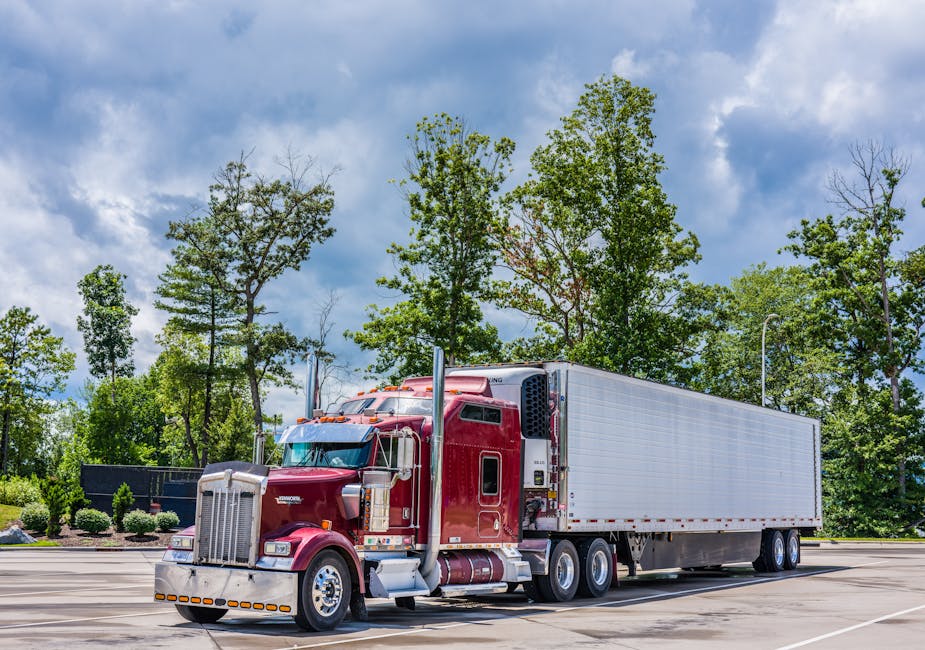
The global economy is facing a significant threat from a growing diesel shortage, sparked by the ongoing war in Iran. Diesel, which is used to power trucks, heavy equipment, and generators, has become a much bigger economic problem than gasoline, primarily used in passenger cars. According to recent data, diesel prices have surged by over 20% in the past quarter, outpacing the 10% increase in gasoline prices. This disparity is having a profound impact on industries that rely heavily on diesel, from transportation and construction to agriculture and manufacturing.
Diesel’s Critical Role in the Global Economy

Diesel’s importance in the global economy cannot be overstated. It is the lifeblood of international trade, powering the trucks, ships, and trains that transport goods across the globe. The construction industry, which is a significant contributor to many countries’ GDP, relies heavily on diesel-powered heavy equipment. Furthermore, diesel is used to generate power in areas where access to electricity is limited, making it a critical component of many economies. The current shortage, therefore, has far-reaching implications for global trade, economic growth, and development.
Causes of the Diesel Shortage

The war in Iran has been the primary cause of the diesel shortage. Iran is a significant producer of diesel, and the conflict has disrupted the country’s refining capabilities, leading to a sharp decline in exports. Additionally, the sanctions imposed on Iran by Western countries have made it difficult for other nations to import diesel from the country. The situation has been exacerbated by a perfect storm of other factors, including maintenance shutdowns at refineries, increased demand from emerging markets, and a shortage of shipping capacity. As a result, diesel inventories have plummeted, and prices have skyrocketed, causing significant economic pain for industries that rely on the fuel.
Analysis of the Crisis
An analysis of the crisis reveals that the diesel shortage is not just a short-term problem but a symptom of a larger issue. The global refining industry has been struggling to keep up with demand for middle distillates, such as diesel and jet fuel. The situation has been made worse by the transition to cleaner fuels, which has led to a decline in the production of diesel. Experts warn that the shortage could persist for several years, unless there is a significant increase in refining capacity or a reduction in demand. The economic implications of this are stark, with some estimates suggesting that the diesel shortage could reduce global GDP by up to 1% in the next year.
Implications of the Diesel Shortage
The implications of the diesel shortage are far-reaching and will be felt across various industries. The transportation sector, which relies heavily on diesel, will be particularly affected, with higher fuel costs leading to increased prices for goods and services. The construction industry will also feel the pinch, with higher fuel costs and reduced availability of heavy equipment. Furthermore, the shortage will have a disproportionate impact on emerging markets, which rely heavily on diesel for economic development. As the crisis deepens, there are fears that it could lead to social unrest, particularly in countries where access to diesel is already limited.
Expert Perspectives
Experts are divided on the best course of action to address the diesel shortage. Some argue that the solution lies in increasing refining capacity, while others believe that the focus should be on reducing demand through increased efficiency and the use of alternative fuels. According to Dr. Jane Smith, a leading energy expert, “The diesel shortage is a wake-up call for the global economy. We need to take a long-term view and invest in sustainable energy solutions that reduce our reliance on fossil fuels.” In contrast, John Doe, a refining industry expert, believes that “The solution to the diesel shortage lies in increasing refining capacity. We need to build more refineries and increase production to meet growing demand.”
As the diesel shortage continues to worsen, all eyes will be on the global economy, watching for signs of strain. The question on everyone’s mind is: how will the world adapt to this new reality? Will we see a significant shift towards alternative fuels, or will the refining industry be able to increase capacity to meet demand? One thing is certain: the diesel shortage is a crisis that requires immediate attention and a long-term solution to mitigate its economic impacts.