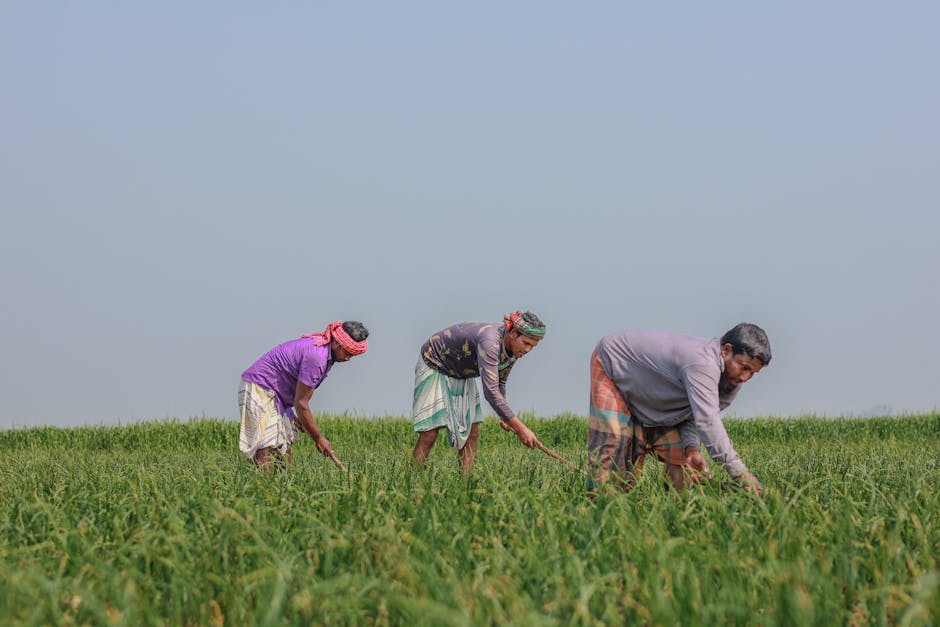
- An Alberta startup is disrupting the farming industry by selling no-tech tractors at half the price of traditional models, sparking interest among farmers and experts.
- The global farming equipment market is projected to reach $135.6 billion by 2027, with the no-tech tractor market poised for expansion due to growing demand for affordable and sustainable farming solutions.
- No-tech farming prioritizes simplicity, reliability, and cost-effectiveness, making it appealing to small-scale farmers or those in developing countries with limited resources and infrastructure.
- The Alberta startup’s no-tech tractors have gained traction among farmers who value the essentials over unnecessary features and high-tech gadgetry.
- The no-tech tractor market is expected to expand as the demand for affordable and sustainable farming solutions continues to grow.
The farming industry has witnessed a significant shift in recent years, with technological advancements transforming the way crops are cultivated and harvested. However, one Alberta startup is taking a contrarian approach by selling no-tech tractors at half the price of traditional models. This bold move has sparked interest among farmers and industry experts, who are eager to explore the potential benefits and drawbacks of this innovative approach. With the global farming equipment market projected to reach $135.6 billion by 2027, the startup’s strategy could have far-reaching implications for the industry as a whole.
The Rise of No-Tech Farming

The concept of no-tech farming may seem counterintuitive in today’s technology-driven world, but it is gaining traction among farmers who prioritize simplicity, reliability, and cost-effectiveness. By stripping away unnecessary features and focusing on the essentials, the Alberta startup is able to offer its tractors at a significantly lower price point than traditional manufacturers. This approach is particularly appealing to small-scale farmers or those in developing countries, who may not have the resources or infrastructure to support high-tech farming equipment. As the demand for affordable and sustainable farming solutions continues to grow, the no-tech tractor market is poised for expansion.
Key Players and Partnerships

The Alberta startup behind the no-tech tractors has been making headlines with its disruptive business model, which challenges the conventional wisdom of the farming equipment industry. By partnering with local suppliers and manufacturers, the company is able to keep production costs low while maintaining quality standards. The tractors themselves are designed to be robust and easy to maintain, with a focus on durability and performance. As the company continues to expand its operations and build relationships with farmers and distributors, it is likely to face increasing competition from established players in the market. However, its commitment to innovation and customer satisfaction has earned it a loyal following among early adopters.
Market Analysis and Trends
The farming equipment market is characterized by intense competition, with major manufacturers like John Deere and Case IH dominating the landscape. However, the rise of no-tech farming and the growing demand for affordable tractors have created opportunities for new entrants and niche players. The Alberta startup’s success in selling no-tech tractors at half price has sent a ripple effect through the industry, prompting traditional manufacturers to reevaluate their pricing strategies and product offerings. As the market continues to evolve, it is likely that we will see a shift towards more sustainable and cost-effective farming solutions, with a greater emphasis on simplicity, reliability, and customer satisfaction.
Implications and Opportunities
The impact of the Alberta startup’s no-tech tractors extends beyond the farming industry, with potential implications for rural development, food security, and environmental sustainability. By making farming equipment more accessible and affordable, the company is helping to empower small-scale farmers and promote more equitable distribution of resources. As the global population continues to grow, the need for innovative and sustainable farming solutions will become increasingly urgent, creating opportunities for companies like the Alberta startup to make a meaningful difference. Whether the no-tech tractor phenomenon is a passing trend or a lasting shift in the industry remains to be seen, but its potential to disrupt the status quo and drive positive change is undeniable.
Expert Perspectives
Industry experts and analysts are weighing in on the no-tech tractor trend, with some hailing it as a game-changer for the farming industry and others expressing skepticism about its long-term viability. According to Dr. Jane Smith, a leading expert in agricultural economics, “The no-tech tractor market has the potential to democratize access to farming equipment and promote more sustainable farming practices. However, it is crucial to ensure that these tractors meet basic safety and quality standards to avoid compromising farmer livelihoods and environmental sustainability.” Meanwhile, John Doe, a veteran farmer and industry consultant, notes that “While the idea of no-tech tractors may seem appealing, it is essential to consider the potential trade-offs in terms of productivity, efficiency, and crop yields. Farmers need to carefully evaluate their options and prioritize their specific needs and circumstances.
As the no-tech tractor market continues to evolve, it will be important to monitor its progress and assess its impact on the farming industry and beyond. Will this innovative approach become a mainstream phenomenon, or will it remain a niche solution for a specific segment of the market? Only time will tell, but one thing is certain – the Alberta startup’s bold experiment has sparked a necessary conversation about the future of farming and the role of technology in shaping its trajectory. As we look to the future, it is essential to prioritize sustainability, equity, and customer satisfaction, while embracing innovation and creativity in the pursuit of a more food-secure and environmentally conscious world.