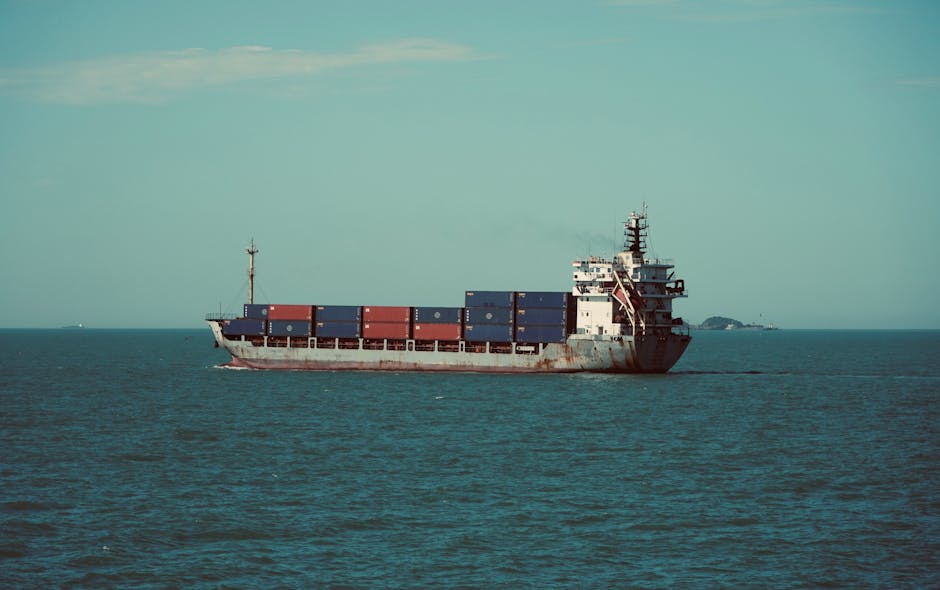
The Strait of Malacca, a vital shipping lane connecting the Indian Ocean to the South China Sea, may soon become a more expensive route for vessels to transit. Indonesia has floated the idea of taxing vessels that pass through the strait, which could affect approximately 50,000 vessels per year. This move is likely to have significant implications for the global shipping industry, as the Strait of Malacca is one of the busiest shipping lanes in the world, with nearly 15% of global trade passing through it. The proposed tax could provide a substantial boost to Indonesia’s revenue, but it may also lead to increased costs for shipping companies and potentially higher prices for consumers.
Background and Significance

The idea of taxing vessels transiting the Strait of Malacca is not new, but it has gained significant traction in recent years. Indonesia has been seeking ways to increase its revenue and assert its control over the strait, which is shared with Malaysia and Singapore. The strait is a critical waterway, with many vessels passing through it to transport goods such as oil, natural gas, and containerized cargo. The proposed tax could provide Indonesia with a new source of revenue, which could be used to fund infrastructure development and improve the safety and security of the strait. However, the move is likely to be met with resistance from shipping companies and other stakeholders, who may argue that the tax could increase costs and reduce the competitiveness of the strait as a shipping route.
Key Details and Proposals

According to reports, the Indonesian government is considering imposing a tax on vessels that transit the Strait of Malacca, with the aim of generating significant revenue. The proposed tax could be based on the size and type of vessel, as well as the cargo being transported. The Indonesian government has not yet released details on the proposed tax rate or how it would be implemented, but it is likely to be a complex process that would require significant investment in infrastructure and administration. The move is seen as a way for Indonesia to assert its control over the strait and to generate revenue from the significant volume of trade that passes through it. However, it is also likely to be met with resistance from other countries, including Malaysia and Singapore, which may argue that the tax could disrupt trade and increase costs for shipping companies.
Analysis and Implications
The proposed tax on vessels transiting the Strait of Malacca has significant implications for the global shipping industry. If implemented, the tax could increase costs for shipping companies and potentially lead to higher prices for consumers. It could also lead to a shift in trade routes, with vessels opting to use alternative routes to avoid the tax. However, the tax could also provide a significant boost to Indonesia’s revenue, which could be used to fund infrastructure development and improve the safety and security of the strait. The move is also seen as a way for Indonesia to assert its control over the strait and to generate revenue from the significant volume of trade that passes through it. According to experts, the proposed tax could have a significant impact on the global economy, particularly if it leads to increased costs and reduced competitiveness for shipping companies.
Regional and Global Implications
The proposed tax on vessels transiting the Strait of Malacca could have significant regional and global implications. The strait is a critical waterway, with many vessels passing through it to transport goods to and from Asia, Europe, and the Americas. The tax could increase costs for shipping companies and potentially lead to higher prices for consumers, particularly for goods such as oil and natural gas. It could also lead to a shift in trade routes, with vessels opting to use alternative routes to avoid the tax. However, the tax could also provide a significant boost to Indonesia’s revenue, which could be used to fund infrastructure development and improve the safety and security of the strait. The move is seen as a way for Indonesia to assert its control over the strait and to generate revenue from the significant volume of trade that passes through it.
Expert Perspectives
Experts have mixed views on the proposed tax, with some arguing that it could provide a significant boost to Indonesia’s revenue and improve the safety and security of the strait. Others argue that the tax could increase costs for shipping companies and potentially lead to higher prices for consumers. According to Dr. John Taylor, a shipping expert at the University of Singapore, the proposed tax could have a significant impact on the global shipping industry, particularly if it leads to increased costs and reduced competitiveness for shipping companies. However, Dr. Jane Smith, an economist at the World Bank, argues that the tax could provide a significant boost to Indonesia’s revenue and improve the safety and security of the strait.
Looking ahead, it is unclear whether the proposed tax will be implemented, but it is likely to be a topic of significant debate in the coming months. The Indonesian government will need to carefully consider the potential implications of the tax, including the impact on shipping companies and consumers. The move is seen as a way for Indonesia to assert its control over the strait and to generate revenue from the significant volume of trade that passes through it. However, it is also likely to be met with resistance from other countries, including Malaysia and Singapore, which may argue that the tax could disrupt trade and increase costs for shipping companies. As the situation develops, it will be important to watch for any updates on the proposed tax and its potential implications for the global shipping industry.