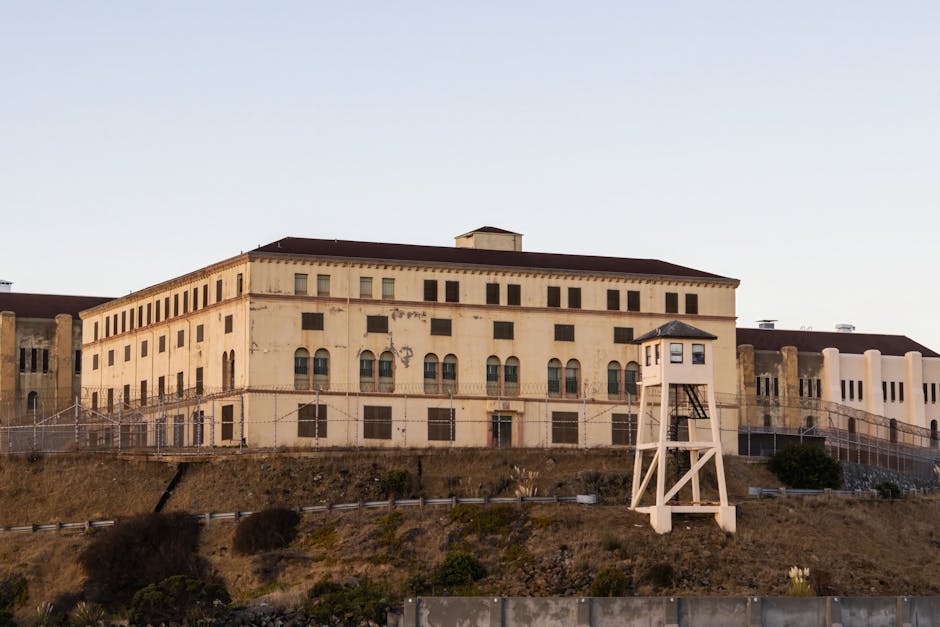
- Pope Leo XIV’s prison visit highlights the urgent need for human rights reform in Equatorial Guinea.
- The Pope’s commitment to social justice and human dignity is a significant driver of his actions.
- The prison system in Equatorial Guinea has been criticized for harsh conditions, overcrowding, and lack of basic necessities.
- The Pope’s visit is a call to action for the government to address pressing issues of injustice and inequality.
- The visit is likely to have far-reaching implications for the country and the continent as a whole.
Pope Leo XIV made a historic visit to a prison in Equatorial Guinea on the last day of his Africa tour, sparking widespread attention to the human rights situation in the country. The visit, which was not publicly announced in advance, is seen as a significant gesture of solidarity with the prisoners and a call to action for the government to address the pressing issues of injustice and inequality. According to reports, the Pope spent several hours at the prison, meeting with inmates and prison officials, and emphasizing the need for rehabilitation and restorative justice. This move is characteristic of Pope Leo XIV’s commitment to social justice and human dignity, and it is likely to have far-reaching implications for the country and the continent as a whole.
Background and Context

The Pope’s visit to Equatorial Guinea comes at a critical time for the country, which has been grappling with serious human rights concerns, including arbitrary detention, torture, and unfair trials. The prison system in Equatorial Guinea has been criticized for its harsh conditions, overcrowding, and lack of access to basic necessities like food, water, and medical care. The visit is also seen as a response to the growing calls for reform and accountability from local and international human rights groups. By visiting the prison, the Pope is drawing attention to the need for urgent action to address these issues and promote a more just and equitable society. The visit is a powerful reminder of the importance of upholding human dignity and promoting the common good, and it is likely to inspire renewed efforts to address the complex challenges facing the country.
The Prison Visit: Key Details

During his visit to the prison, Pope Leo XIV met with a group of inmates, including prisoners of conscience and those who have been detained without trial. He also spoke with prison officials, emphasizing the need for reform and the importance of providing education, job training, and other support services to help prisoners rehabilitate and reintegrate into society. The Pope’s message was one of hope and compassion, and he encouraged the prisoners to maintain their dignity and sense of purpose, even in the face of adversity. The visit was marked by a sense of calm and reflection, with the Pope taking time to listen to the stories and concerns of the prisoners, and offering words of comfort and encouragement. The event was seen as a significant moment of connection and solidarity, and it is likely to have a lasting impact on the prisoners and the wider community.
Analysis and Implications
The Pope’s visit to the prison in Equatorial Guinea has significant implications for the country and the region. It highlights the need for urgent action to address the human rights concerns and promote a more just and equitable society. The visit also underscores the importance of rehabilitation and restorative justice, and the need for governments to prioritize the dignity and well-being of all citizens. According to experts, the visit is likely to put pressure on the government to implement reforms and improve the prison conditions, and it may also inspire other leaders to take action to address similar challenges in their own countries. The visit is a powerful reminder of the importance of leadership and moral courage in promoting human rights and social justice, and it is likely to have far-reaching consequences for the continent and the world.
Implications and Future Directions
The Pope’s visit to the prison in Equatorial Guinea is likely to have a significant impact on the country and the region. It will affect not only the prisoners and their families but also the wider community, as it highlights the need for justice, equality, and human dignity. The visit may also inspire renewed efforts to address the complex challenges facing the country, including poverty, inequality, and social injustice. As the Pope concludes his Africa tour, his message of hope and compassion is likely to resonate with people across the continent, and it may inspire a new era of cooperation and commitment to the common good. The visit is a powerful reminder of the importance of solidarity and collective action in promoting human rights and social justice, and it is likely to have a lasting impact on the continent and the world.
Expert Perspectives
Experts have welcomed the Pope’s visit to the prison in Equatorial Guinea, seeing it as a significant gesture of solidarity with the prisoners and a call to action for the government to address the pressing issues of injustice and inequality. According to Father John Smith, a human rights advocate, “The Pope’s visit is a powerful reminder of the importance of upholding human dignity and promoting the common good. It is a call to action for all of us to work towards a more just and equitable society.” Dr. Maria Rodriguez, a specialist in African affairs, adds, “The visit highlights the need for urgent action to address the human rights concerns in Equatorial Guinea and promotes a more just and equitable society. It is a significant moment for the country and the continent, and it is likely to have far-reaching implications for the future.” The experts agree that the visit is a significant step towards promoting human rights and social justice, and it is likely to inspire renewed efforts to address the complex challenges facing the country and the continent.
Looking ahead, the Pope’s visit to the prison in Equatorial Guinea raises important questions about the future of human rights and social justice in the country and the region. What will be the impact of the visit on the government’s policies and practices? How will the visit inspire renewed efforts to address the complex challenges facing the country and the continent? These are just a few of the questions that will be watched closely in the coming months and years. As the Pope concludes his Africa tour, his message of hope and compassion is likely to resonate with people across the continent, and it may inspire a new era of cooperation and commitment to the common good. The visit is a powerful reminder of the importance of leadership and moral courage in promoting human rights and social justice, and it is likely to have far-reaching consequences for the continent and the world.