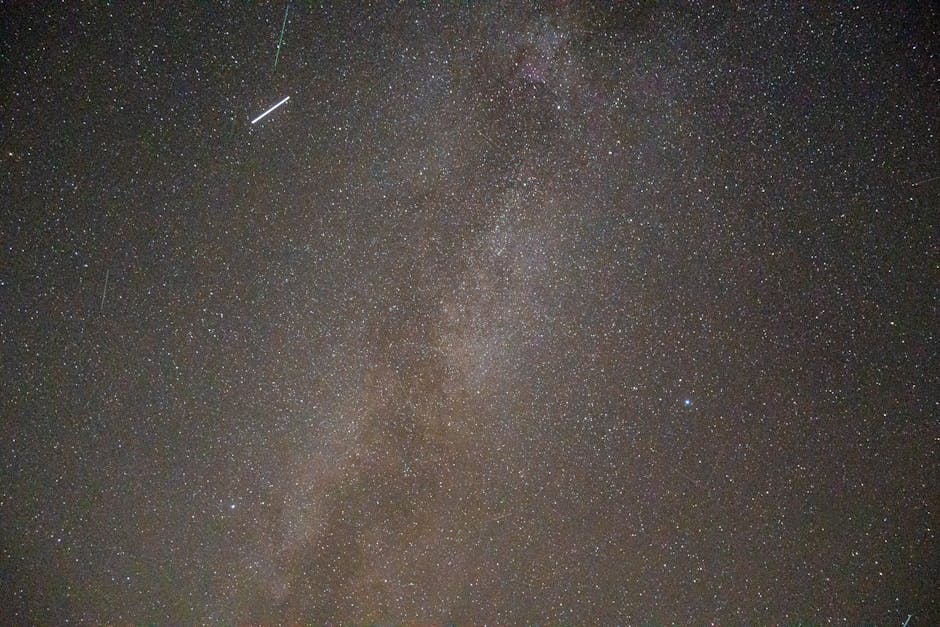
- The Lyrids meteor shower peaks tonight, with up to 20 meteors per hour visible in the night sky, under clear skies and optimal viewing conditions.
- The shower is caused by Earth passing through the debris trail of the Comet C/1861 G1, also known as the Thatcher Comet, which originated from the outer solar system.
- The Lyrids meteor shower has been observed for centuries, with the first recorded sighting dating back to 687 AD, making it a historical astronomical event.
- The shower’s peak viewing time is around 1am GMT, when the radiant point of the shower is highest in the constellation of Lyra.
- To increase chances of seeing the most meteors, find a dark location with minimal light pollution for optimal viewing conditions.
The Lyrids meteor shower, one of the most anticipated astronomical events of the year, is expected to reach its peak viewing tonight, with up to 20 meteors per hour visible in the night sky. This spectacular display of celestial fireworks has been active since last week, but tonight is the night when the shower is expected to be at its most intense. With clear skies and a little bit of luck, stargazers around the world will be able to witness the breathtaking sight of meteors streaking across the sky, leaving behind glowing trails of ionized gas.
Background and History

The Lyrids meteor shower has been observed for centuries, with the first recorded sighting dating back to 687 AD. The shower is caused by the Earth passing through the trail of debris left behind by the Comet C/1861 G1, also known as the Thatcher Comet. This comet is thought to have originated from the outer reaches of the solar system and takes approximately 415 years to complete one orbit around the Sun. As the Earth passes through the comet’s debris trail, the small particles of ice and rock enter the atmosphere, burning up and producing the bright streaks of light that we see as meteors.
Peak Time and Viewing Tips

The Lyrids meteor shower is expected to reach its peak at around 1am GMT, when the radiant point of the shower, located in the constellation of Lyra, is highest in the sky. To increase your chances of seeing the most meteors, find a dark location with minimal light pollution and give your eyes at least 20 minutes to adjust to the dark. It’s also a good idea to dress warmly and bring a comfortable chair or blanket, as you may be outside for an extended period. Look for the constellation of Lyra, which is easily recognizable by its bright star Vega, and focus your attention on the area of sky surrounding it.
Weather Forecast and Viewing Conditions
Unfortunately, the weather forecast for tonight is not looking ideal for everyone, with cloud cover and rain expected in many parts of the world. However, for those in areas with clear skies, the viewing conditions are expected to be perfect, with a new moon and minimal moonlight to interfere with the viewing of the meteors. If you’re unable to see the meteor shower in person, don’t worry – many online observatories and astronomy websites will be streaming the event live, allowing you to experience the spectacle from the comfort of your own home.
Implications and Significance
The Lyrids meteor shower is not just a beautiful spectacle, but also an important astronomical event that provides scientists with valuable insights into the composition and structure of comets. By studying the meteors and their orbits, researchers can gain a better understanding of the solar system and the role that comets play in shaping its evolution. Additionally, the Lyrids meteor shower is a reminder of the awe-inspiring beauty and complexity of the universe, and the importance of continued exploration and research into the mysteries of the cosmos.
Expert Perspectives
According to Dr. Maria Rodriguez, a leading astronomer at the National Astronomical Observatory, the Lyrids meteor shower is a unique opportunity for scientists to study the composition of comets and the effects of atmospheric entry on meteoroids. “The Lyrids meteor shower is a fascinating event that allows us to study the interaction between the Earth’s atmosphere and the debris trail of a comet,” she said. “By analyzing the meteors and their orbits, we can gain valuable insights into the composition and structure of comets, and the role that they play in shaping the solar system.”
As the Lyrids meteor shower comes to an end, astronomers and stargazers alike will be looking to the future, wondering what other celestial events the year has in store. With the Perseid meteor shower just around the corner, and the possibility of a rare planetary alignment later in the year, there’s never been a more exciting time to be interested in astronomy. Whether you’re a seasoned astronomer or just starting to explore the wonders of the universe, the Lyrids meteor shower is a reminder of the beauty and mystery that awaits us all, just beyond our planet’s atmosphere.