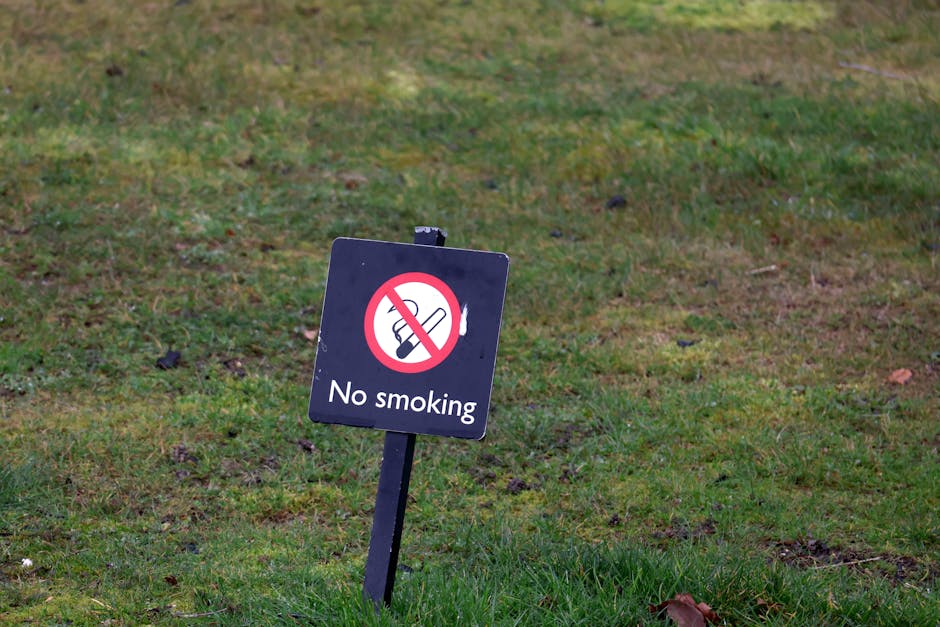
- The UK is raising the legal age to buy tobacco products by one year every year, starting from 2027.
- This approach aims to deter an entire generation of children from taking up smoking and becoming addicted to tobacco.
- Smoking remains a leading cause of preventable deaths in the UK, with over 70,000 people dying from smoking-related illnesses each year.
- The UK government hopes to make England smoke-free by 2030 through this and other initiatives.
- Research shows that the earlier someone starts smoking, the more likely they are to become a lifelong smoker and suffer severe health consequences.
The UK has taken a significant step towards reducing smoking rates among its youth by introducing a law that will see the legal age to buy tobacco products increase by one year every year, starting from 2027. This innovative approach aims to deter an entire generation of children from taking up smoking, with the government hoping that by the time today’s youngsters reach adulthood, smoking will be a habit of the past. According to recent statistics, smoking is still one of the leading causes of preventable deaths in the UK, with over 70,000 people dying from smoking-related illnesses each year. The new law is a crucial step towards achieving the government’s ambition of making England smoke-free by 2030.
Background and Rationale

The decision to raise the smoking age annually is a response to the persistent issue of youth smoking in the UK. Despite a decline in smoking rates over the past few decades, many young people still take up the habit, often with devastating consequences for their health. The government has recognized that traditional methods of deterrence, such as taxation and public education campaigns, have had limited success in preventing youth smoking. By introducing a law that will gradually increase the smoking age, the government hopes to prevent an entire generation of children from becoming addicted to tobacco. This approach has been informed by research showing that the earlier someone starts smoking, the more likely they are to become a long-term smoker.
Key Details of the Legislation

The new law will come into effect in 2027, at which point the minimum age to buy tobacco products will rise to 19. From then on, the age limit will increase by one year every year, meaning that by 2030, only those aged 22 and above will be able to purchase tobacco products. The legislation will apply to all tobacco products, including cigarettes, e-cigarettes, and vaping devices. The government has stated that it will work closely with retailers and law enforcement agencies to ensure that the new law is enforced effectively. Those found to be selling tobacco products to underage individuals will face significant fines and other penalties.
Analysis and Implications
The introduction of this law has been welcomed by health experts and anti-smoking campaigners, who believe that it has the potential to make a significant impact on public health. By preventing young people from taking up smoking, the government can help to reduce the burden of smoking-related illnesses on the National Health Service (NHS). According to estimates, smoking costs the NHS over £2 billion each year, with the total cost to society estimated to be much higher. The new law is also expected to have a positive impact on productivity and economic growth, as a healthier workforce is more productive and less likely to take time off work due to illness.
Impact on Communities
The new law will have significant implications for communities across the UK, particularly those with high rates of smoking. In some areas, smoking is still a deeply ingrained habit, with many people starting to smoke at a young age. The government has recognized that these communities will require additional support and resources to help them adapt to the new law. As such, it has announced plans to invest in targeted public health campaigns and smoking cessation services, aimed at helping people to quit smoking and stay smoke-free. The government has also stated that it will work with local authorities and community groups to develop innovative solutions to the problem of youth smoking.
Expert Perspectives
Health experts have broadly welcomed the new law, with many believing that it has the potential to make a significant impact on public health. However, some have expressed concerns about the potential for the law to drive the tobacco trade underground, with illicit tobacco products becoming more widely available. Others have argued that the government should be doing more to support people who are trying to quit smoking, including increasing funding for smoking cessation services and public health campaigns. Despite these concerns, the majority of experts agree that the new law is a step in the right direction and has the potential to save thousands of lives each year.
As the UK moves forward with its plans to make England smoke-free by 2030, it will be important to monitor the impact of the new law and make adjustments as necessary. The government has stated that it will review the law regularly and make changes if it is not having the desired effect. In the meantime, health experts and anti-smoking campaigners will be watching with interest to see whether the new law can help to achieve the government’s ambitious goal of making England smoke-free. One key question that remains to be answered is how the government will balance the need to prevent youth smoking with the need to support people who are already addicted to tobacco. As the UK embarks on this new approach to tobacco control, it will be important to find a solution that works for everyone.