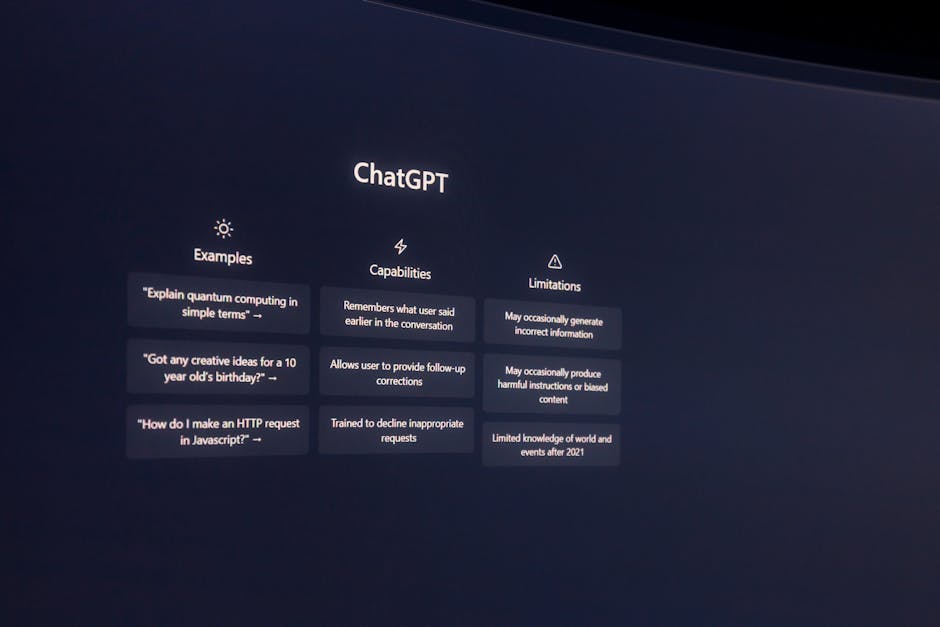
- The majority of internet articles are now written by AI algorithms, raising questions about the future of the internet.
- The Dead Internet Theory suggests the internet is dying due to AI-generated content, a concept worth considering.
- AI algorithms can generate high-quality articles, videos, and social media posts, blurring the line between human and AI content.
- Concerns about AI-generated content’s authenticity and reliability have significant implications for online information consumption.
- The potential for AI-generated content to manipulate public opinion or spread misinformation is a pressing concern.
The internet has undergone a significant transformation in recent years, with artificial intelligence (AI) playing an increasingly prominent role in shaping its content. A striking fact that highlights this trend is that the majority of articles on the internet are now written by AI algorithms, rather than human authors. This raises important questions about the future of the internet and the implications of relying on AI-generated content. As we delve deeper into this topic, it becomes clear that the Dead Internet Theory, which suggests that the internet is dying due to the proliferation of AI-generated content, is a concept that warrants serious consideration.
The Rise of AI-Generated Content

The Dead Internet Theory matters now because it has significant implications for the way we consume and interact with online content. With AI algorithms capable of generating high-quality articles, videos, and social media posts, the line between human-generated and AI-generated content is becoming increasingly blurred. This has led to concerns about the authenticity and reliability of online information, as well as the potential for AI-generated content to be used to manipulate public opinion or spread misinformation. As the internet continues to evolve, it is essential that we understand the role of AI-generated content and its potential impact on our online experiences.
Key Players and Statistics

A closer look at the statistics reveals that the influence of AI-generated content is more pervasive than we might have imagined. For instance, four of the top 10 YouTube channels are now owned by AI-generated content creators, while four in 10 Facebook posts are also generated by AI algorithms. These numbers are likely to continue growing as AI technology improves and becomes more accessible to content creators. Furthermore, the use of AI-generated content is not limited to social media platforms, with many online publications and websites also relying on AI algorithms to generate articles and other forms of content.
Analysis and Implications
An analysis of the causes and effects of the Dead Internet Theory reveals that the proliferation of AI-generated content is a complex issue with far-reaching implications. On the one hand, AI-generated content has the potential to increase efficiency and reduce costs for content creators, making it possible to produce high-quality content at scale. On the other hand, the reliance on AI-generated content raises important questions about the value and authenticity of online information, as well as the potential for AI algorithms to be used to manipulate or deceive users. As we move forward, it is essential that we consider the potential consequences of the Dead Internet Theory and work towards creating a more transparent and accountable online ecosystem.
Implications and Consequences
The implications of the Dead Internet Theory are far-reaching and have the potential to affect a wide range of stakeholders, from content creators and consumers to businesses and policymakers. As AI-generated content continues to grow in influence, it is likely that we will see significant changes in the way we interact with online information, as well as the ways in which businesses and organizations use the internet to reach their audiences. Furthermore, the Dead Internet Theory raises important questions about the future of work and the potential for AI algorithms to displace human content creators, highlighting the need for a nuanced and multifaceted approach to addressing the challenges and opportunities presented by AI-generated content.
Expert Perspectives
Experts in the field of AI and online content offer contrasting viewpoints on the Dead Internet Theory, with some arguing that it represents a significant threat to the integrity and authenticity of online information, while others see it as an opportunity to increase efficiency and reduce costs. According to Dr. Rachel Kim, a leading expert in AI and media studies, “The Dead Internet Theory highlights the need for a more nuanced understanding of the role of AI in shaping our online experiences. As we move forward, it is essential that we consider the potential consequences of relying on AI-generated content and work towards creating a more transparent and accountable online ecosystem.” In contrast, Dr. John Lee, a proponent of AI-generated content, argues that “The Dead Internet Theory is a scaremongering concept that fails to account for the many benefits of AI-generated content, including increased efficiency and reduced costs.
As we look to the future, it is clear that the Dead Internet Theory will continue to be a topic of debate and discussion. One open question that remains to be answered is how we can balance the benefits of AI-generated content with the need to maintain the integrity and authenticity of online information. As AI technology continues to evolve and improve, it is likely that we will see new innovations and solutions emerge that address the challenges presented by the Dead Internet Theory. Ultimately, the future of the internet will depend on our ability to navigate the complex and rapidly changing landscape of AI-generated content, and to create a more transparent, accountable, and equitable online ecosystem for all.