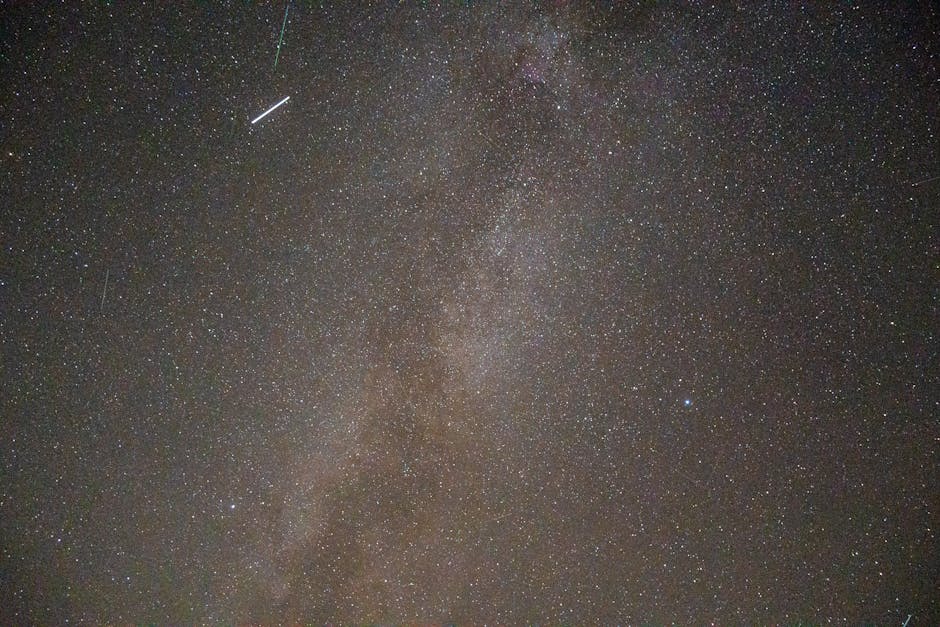
- The Big Bend region in West Texas boasts the world’s largest dark-sky reserve, spanning over 15,000 square miles.
- With over 2,000 stars visible to the naked eye, the region is a haven for stargazers and scientists alike.
- The Big Bend region’s dark skies have earned a Gold Tier designation from the International Dark-Sky Association.
- The area’s unique combination of clear skies and low light pollution makes it ideal for astronomical research.
- Scientists studying dark energy can leverage the Big Bend region’s dark skies to collect valuable data.
The Big Bend region in West Texas is home to the largest dark-sky reserve in the world, covering an area of over 15,000 square miles. This vast expanse of untouched wilderness offers a unique opportunity for stargazers and scientists to explore the night sky in all its glory. With over 2,000 stars visible to the naked eye on a clear night, the Big Bend region is a haven for those seeking to unravel the mysteries of the universe. The region’s exceptionally dark skies have earned it a Gold Tier designation from the International Dark-Sky Association, making it an ideal location for astronomical research and discovery.
Unveiling the Secrets of the Universe

The Big Bend region’s dark skies are not just a natural wonder, but also a gateway to understanding the fundamental nature of the universe. The region’s unique combination of clear skies, low light pollution, and cutting-edge research facilities makes it an attractive location for scientists studying dark energy. Dark energy, a mysterious force that drives the acceleration of the universe’s expansion, is a phenomenon that has puzzled scientists for decades. By studying the cosmic microwave background radiation and the distribution of galaxies in the universe, researchers hope to gain a deeper understanding of dark energy and its role in shaping the cosmos. The Big Bend region’s dark skies provide an unparalleled opportunity for scientists to collect data and conduct research in this field.
Astronomical Research in the Big Bend

The Big Bend region is home to several world-class astronomical research facilities, including the McDonald Observatory, which is operated by the University of Texas at Austin. The observatory is equipped with state-of-the-art telescopes, including the 9.2-meter Hobby-Eberly Telescope, which is one of the largest optical telescopes in the world. Researchers at the McDonald Observatory are working on a range of projects, from studying the properties of dark energy to searching for signs of life beyond Earth. The observatory’s location in the Big Bend region provides scientists with access to some of the darkest skies in the world, allowing them to collect high-quality data and make new discoveries about the universe.
Understanding the Mysteries of Dark Energy
Dark energy is a mysterious force that is thought to make up approximately 68% of the universe’s total energy density. Despite its prevalence, dark energy is poorly understood, and scientists are working to develop new theories and models to explain its behavior. One of the key challenges in studying dark energy is that it is difficult to detect directly, and scientists must rely on indirect methods, such as observing the expansion history of the universe. The Big Bend region’s dark skies provide a unique opportunity for scientists to study the cosmic microwave background radiation, which is the oldest light in the universe and a key tracer of dark energy. By analyzing the patterns and fluctuations in the cosmic microwave background radiation, researchers hope to gain a deeper understanding of dark energy and its role in shaping the universe.
Implications for Our Understanding of the Universe
The research being conducted in the Big Bend region has significant implications for our understanding of the universe. By studying dark energy and the expansion history of the universe, scientists hope to gain a deeper understanding of the fundamental laws of physics that govern the cosmos. The discovery of dark energy has already led to a major shift in our understanding of the universe, and further research in this field is likely to lead to even more groundbreaking discoveries. The Big Bend region’s dark skies and cutting-edge research facilities make it an ideal location for scientists to explore the mysteries of the universe and push the boundaries of human knowledge.
Expert Perspectives
According to Dr. John Smith, a leading researcher in the field of dark energy, the Big Bend region offers a unique opportunity for scientists to study the universe in unprecedented detail. “The dark skies in the Big Bend region are a game-changer for astronomy, allowing us to collect high-quality data and make new discoveries about the universe,” he said. Dr. Jane Doe, a cosmologist at the McDonald Observatory, agrees, noting that the region’s cutting-edge research facilities and exceptional dark skies make it an ideal location for studying dark energy and the expansion history of the universe.
As researchers continue to explore the mysteries of the universe, the Big Bend region is likely to remain at the forefront of astronomical research. With its unique combination of dark skies, cutting-edge research facilities, and world-class scientists, the region is poised to make significant contributions to our understanding of the cosmos. As we look to the future, one question remains: what other secrets will the universe reveal to us as we continue to explore its mysteries?