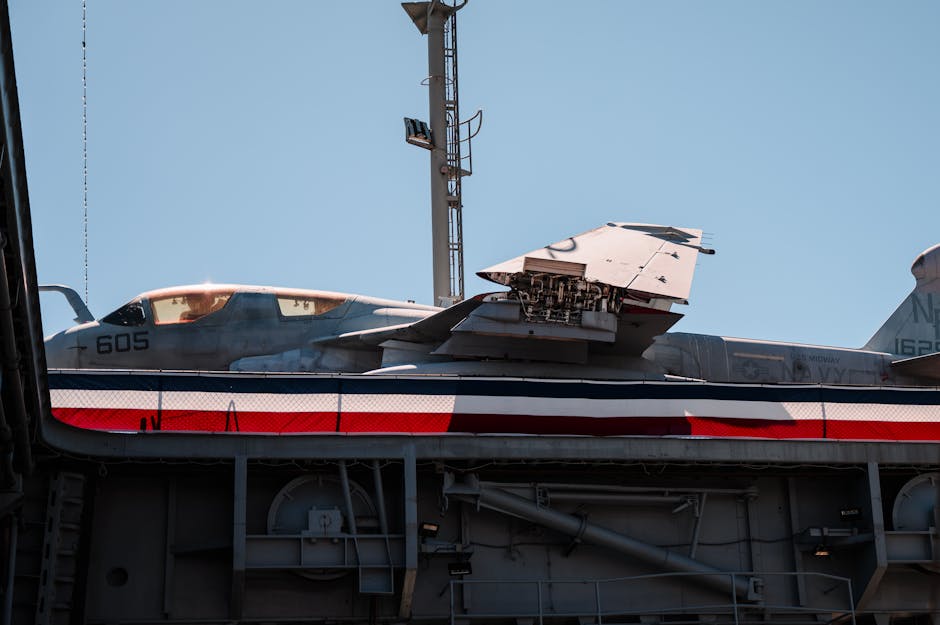
- The US is deploying a third carrier group to the Gulf, tripling its naval presence and sending a strong message to regional adversaries.
- The move aims to deter aggression, ensure the free flow of oil, and showcase US commitment to regional security.
- The deployment includes up to 10,000 elite troops, adding to the complex security dynamics in the region.
- The US is seeking to counter escalating tensions with Iran, which has been at the center of regional conflicts.
- The Gulf’s strategic importance to global oil supplies and economic stability underpins the US military build-up.
The United States is set to significantly bolster its military presence in the Gulf region with the deployment of a third carrier group, accompanied by up to 10,000 elite troops, by the end of the month. This strategic move is expected to send a strong message to regional adversaries, particularly Iran, which has been at the center of escalating tensions. The addition of a third carrier group will triple the US naval presence in the Gulf, providing a substantial show of force in a region critical to global oil supplies and economic stability.
Gulf Security Dynamics

The decision to deploy additional military assets to the Gulf comes at a time when security dynamics in the region are increasingly complex. The Gulf has long been a focal point of geopolitical tensions, with the US, Iran, and other regional players vying for influence. The recent escalation of attacks on oil tankers and the downing of a US drone have heightened concerns about the safety of maritime traffic and the potential for wider conflict. Against this backdrop, the US move to strengthen its military footprint is seen as a proactive measure to deter aggression and ensure the free flow of oil, a commodity crucial to the global economy.
Military Build-Up Details

The incoming carrier group, which includes an aircraft carrier, a cruiser, and several destroyers, will be supported by a contingent of up to 10,000 troops. These elite forces are expected to include special operations units, marine infantry, and air support personnel. The deployment is designed to enhance the US capability to conduct a range of operations, from maritime security and counter-terrorism to more conventional military tasks. The involvement of such a significant number of troops underscores the seriousness with which the US views the current situation in the Gulf and its commitment to regional security.
Strategic Analysis
From a strategic perspective, the deployment of a third carrier group and additional troops to the Gulf represents a multifaceted approach by the US to address the challenges in the region. By bolstering its military presence, the US aims to reassure its allies of its commitment to their security, deter potential adversaries from miscalculating US resolve, and maintain the stability of global oil markets. The economic implications of this move are significant, as any disruption to oil supplies from the Gulf could have far-reaching consequences for the global economy, including higher energy prices and potential recessionary pressures.
Economic Implications
The deployment and its aftermath are likely to have profound implications for various stakeholders in the region and beyond. For the global economy, the maintenance of secure oil supplies is paramount. Any escalation that threatens these supplies could lead to volatility in energy markets, affecting businesses and consumers alike. Regionally, the move may prompt a response from Iran, potentially leading to further escalation. Meanwhile, US allies in the Gulf are likely to view the deployment as a reassuring commitment to their security, strengthening bilateral relations and potentially leading to increased economic cooperation.
Expert Perspectives
Experts offer contrasting viewpoints on the strategic merits and potential consequences of the US deployment. Some argue that a strong military presence is essential to deter Iranian aggression and protect US interests, while others caution that such a build-up could provoke further conflict, undermining regional stability. The diversity of opinion reflects the complexity of the situation and the challenges of navigating the delicate balance of power in the Gulf.
Looking forward, the situation in the Gulf remains highly fluid, with many variables that could influence the trajectory of events. As the US continues to bolster its military presence, all eyes will be on the response from Iran and other regional actors. The international community will be watching closely for any signs of escalation or, conversely, gestures towards de-escalation and dialogue. The open question remains how these developments will impact the broader geopolitical landscape and the global economy in the months to come.