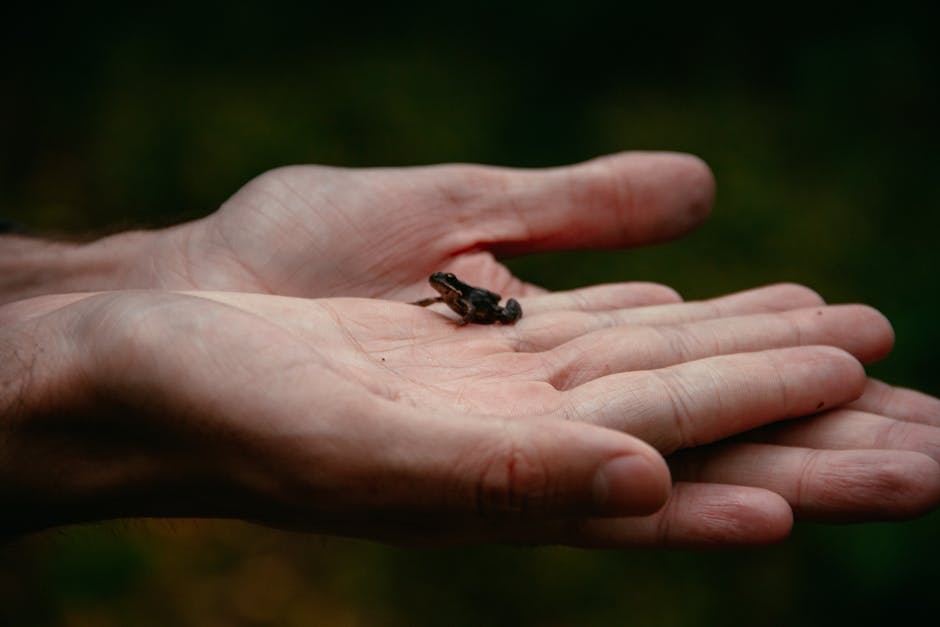
- Over 1,000 breeding toads are at risk due to the draining of a reservoir by a water company.
- Toad populations have declined significantly due to habitat destruction, pollution, and climate change.
- Conservation efforts to protect toads and their habitats are crucial for preserving ecosystems.
- The draining of the reservoir threatens to undermine years of conservation work.
- Greater cooperation between water companies and conservation groups is needed to protect ecosystems.
A striking fact has come to light in the world of conservation: the draining of a reservoir by a water company has put the lives of over 1,000 breeding toads at risk. This alarming statistic has sent shockwaves through the community of volunteers who worked tirelessly to help more than 1,500 toads cross a busy road to reach their breeding ground. The toads, which were aided in their journey by a group of dedicated volunteers, were attempting to reach the reservoir, which was their natural breeding habitat. However, with the reservoir now drained, fears are growing that the toads may not have survived, rendering the conservation efforts useless.
The Importance of Conservation Efforts

The story of the toads and their precarious situation highlights the importance of conservation efforts in modern ecosystems. The decline of toad populations has been a pressing concern for many years, with habitat destruction, pollution, and climate change all contributing to the decline of these amphibians. The volunteers who helped the toads cross the road were part of a larger conservation effort aimed at protecting the toad population and preserving their natural habitat. However, the draining of the reservoir has thrown a spanner in the works, putting the entire conservation effort at risk. The situation raises important questions about the role of water companies in conservation and the need for greater cooperation between these companies and conservation groups.
The Reservoir Draining: A Catastrophic Event

The draining of the reservoir by the water company has been described as a catastrophic event by conservationists. The reservoir, which was the toads’ natural breeding ground, was drained without warning, leaving the toads with nowhere to go. The volunteers who had helped the toads cross the road were devastated by the news, feeling that their efforts had been for nothing. The water company has yet to comment on the situation, but it is clear that the draining of the reservoir has had a devastating impact on the toad population. The lack of communication between the water company and conservation groups has been cited as a major factor in the disaster, highlighting the need for greater cooperation and coordination between these groups.
Analyzing the Consequences
An analysis of the situation reveals a complex web of causes and effects. The draining of the reservoir has not only put the toads at risk but has also highlighted the lack of coordination between water companies and conservation groups. The situation has sparked a heated debate about the role of water companies in conservation and the need for greater protection of natural habitats. Experts have warned that the decline of toad populations can have far-reaching consequences for ecosystems, including the loss of biodiversity and the disruption of food chains. The situation has also raised questions about the effectiveness of conservation efforts and the need for more robust measures to protect endangered species.
Implications for the Toad Population
The implications of the reservoir draining are far-reaching and devastating for the toad population. The toads, which were already vulnerable due to habitat destruction and pollution, have been left without a breeding ground, putting their very survival at risk. The situation has sparked fears that the toad population may decline even further, with potentially catastrophic consequences for the ecosystem. The lack of a breeding ground has also raised concerns about the long-term viability of the toad population, with experts warning that the species may be at risk of extinction if conservation efforts are not stepped up.
Expert Perspectives
Experts have weighed in on the situation, offering contrasting viewpoints on the best course of action. Some have called for greater regulation of water companies, arguing that they have a responsibility to protect natural habitats and conserve endangered species. Others have argued that conservation efforts should focus on creating alternative breeding grounds for the toads, rather than relying on the reservoir. The debate has highlighted the complexity of the issue and the need for a multifaceted approach to conservation. As one expert noted, “The situation is a wake-up call for all of us, highlighting the need for greater cooperation and coordination between water companies, conservation groups, and governments to protect endangered species and preserve natural habitats.”
Looking to the future, the situation raises important questions about what can be done to prevent similar disasters from occurring. The need for greater cooperation and coordination between water companies and conservation groups is clear, as is the need for more robust measures to protect endangered species. As the situation continues to unfold, one thing is certain: the fate of the toad population hangs in the balance, and it is up to us to ensure their survival. The coming months will be crucial in determining the outcome of this situation, and it is imperative that all parties involved work together to find a solution that prioritizes the conservation of the toad population and the protection of their natural habitat.