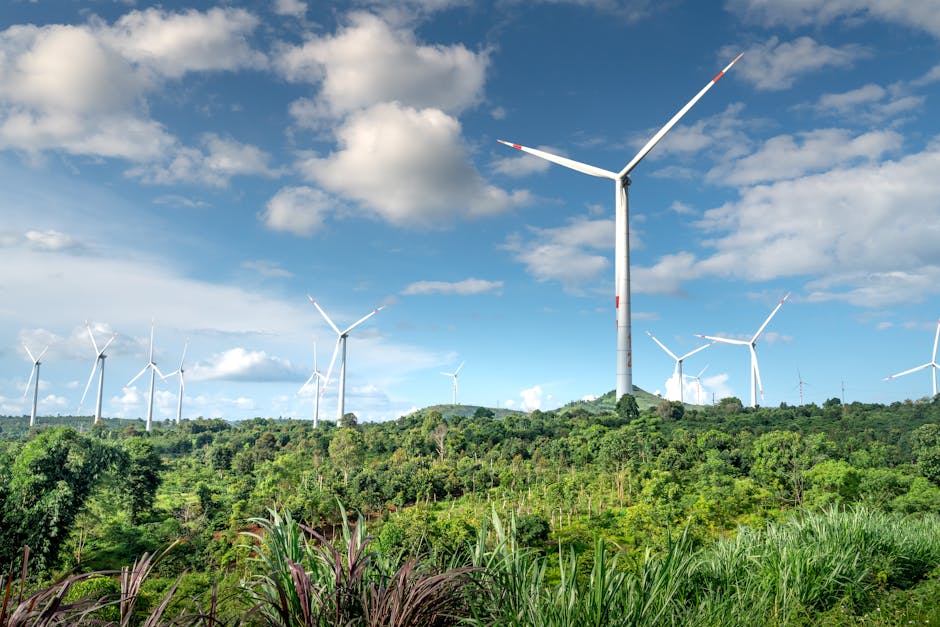
- The world’s shift towards renewable energy is gaining momentum, but its importance in the push for net zero is being reevaluated.
- Research suggests that the cost of electricity is a more significant factor in determining energy usage than the source of that energy.
- The cost of renewable energy has fallen dramatically, making it more competitive with fossil fuels, but transition pace needs to accelerate.
- Many countries still rely heavily on fossil fuels, requiring significant investment and infrastructure development for cleaner sources.
- New energy storage technologies and grid management systems are necessary to address the intermittency of renewable energy sources.
The world’s transition to renewable energy has been gaining momentum, with solar and wind power becoming increasingly cost-competitive with fossil fuels. However, a growing body of research suggests that the emphasis on clean energy may be misplaced, and that cheap power could be more important in the push for net zero. In fact, a recent study found that the cost of electricity is a far more significant factor in determining energy usage than the source of that energy. This has significant implications for policymakers and businesses looking to reduce their carbon footprint, and raises important questions about the role of clean energy in the transition to a low-carbon economy.
The Evolving Energy Landscape

The energy landscape is evolving rapidly, driven by advances in technology and changing government policies. The cost of renewable energy has fallen dramatically in recent years, making it more competitive with fossil fuels. However, despite this progress, the world is still far from achieving its climate goals, and the pace of transition needs to accelerate. One of the key challenges is that many countries are still reliant on fossil fuels for the majority of their energy needs, and transitioning to cleaner sources will require significant investment and infrastructure development. Furthermore, the intermittency of renewable energy sources poses a significant challenge, requiring the development of new energy storage technologies and grid management systems.
Key Players and Initiatives

A number of key players are driving the transition to a low-carbon economy, including governments, businesses, and civil society organizations. Governments are setting ambitious targets for reducing greenhouse gas emissions and investing in renewable energy, while businesses are developing new technologies and investing in clean energy infrastructure. Civil society organizations are also playing a crucial role, raising awareness about the need for climate action and advocating for policies that support the transition to a low-carbon economy. For example, the European Union’s Green Deal aims to make Europe the first climate-neutral continent, while companies like Vestas and Siemens Gamesa are leading the development of wind energy technology.
Analysis and Implications
The emphasis on cheap power rather than clean power has significant implications for the transition to a low-carbon economy. If the cost of energy is the primary driver of energy usage, then policies that focus on reducing the cost of renewable energy may be more effective than those that focus on increasing the use of clean energy. This could involve investments in energy storage and grid management, as well as policies that support the development of new renewable energy technologies. Additionally, it may be necessary to rethink the way we approach energy policy, with a greater emphasis on affordability and accessibility rather than just clean energy. For instance, a study by the National Renewable Energy Laboratory found that widespread adoption of renewable energy could save the US economy up to $113 billion annually by 2050.
Global Consequences
The implications of a shift in focus from clean power to cheap power are far-reaching, with potential consequences for the global economy, energy markets, and the environment. If the world is able to transition to a low-carbon economy without relying on clean energy, it could have significant benefits for energy security and affordability. However, it also poses significant risks, including the potential for increased greenhouse gas emissions and environmental degradation. Furthermore, the impact on developing countries could be particularly significant, as they may be more vulnerable to changes in the global energy market and may have fewer resources to invest in the transition to a low-carbon economy. The International Energy Agency estimates that over 1 billion people worldwide still lack access to electricity, highlighting the need for affordable and reliable energy solutions.
Expert Perspectives
Experts are divided on the importance of clean energy in the transition to a low-carbon economy. Some argue that clean energy is essential for reducing greenhouse gas emissions and mitigating the impacts of climate change, while others believe that the focus on clean energy has been overemphasized and that cheap power is more important. According to Dr. Fatih Birol, Executive Director of the International Energy Agency, “the world needs to invest in a range of energy technologies, including renewables, nuclear, and carbon capture and storage, in order to meet its climate goals.” In contrast, Dr. Varun Sivaram, a energy expert at the Council on Foreign Relations, argues that “the focus on clean energy has distracted from the more pressing issue of energy affordability and accessibility.”
Looking to the future, it is clear that the transition to a low-carbon economy will be complex and challenging, and will require a range of different approaches and solutions. As the world continues to evolve and grow, it will be necessary to balance the need for energy affordability and accessibility with the need to reduce greenhouse gas emissions and mitigate the impacts of climate change. One key area to watch will be the development of new energy storage technologies, which could play a crucial role in enabling the widespread adoption of renewable energy. Additionally, the role of international cooperation and global governance will be critical in ensuring a coordinated and effective response to the climate crisis. The upcoming COP26 summit in Glasgow will be a key milestone in this effort, as world leaders gather to discuss and agree on a range of climate-related issues.