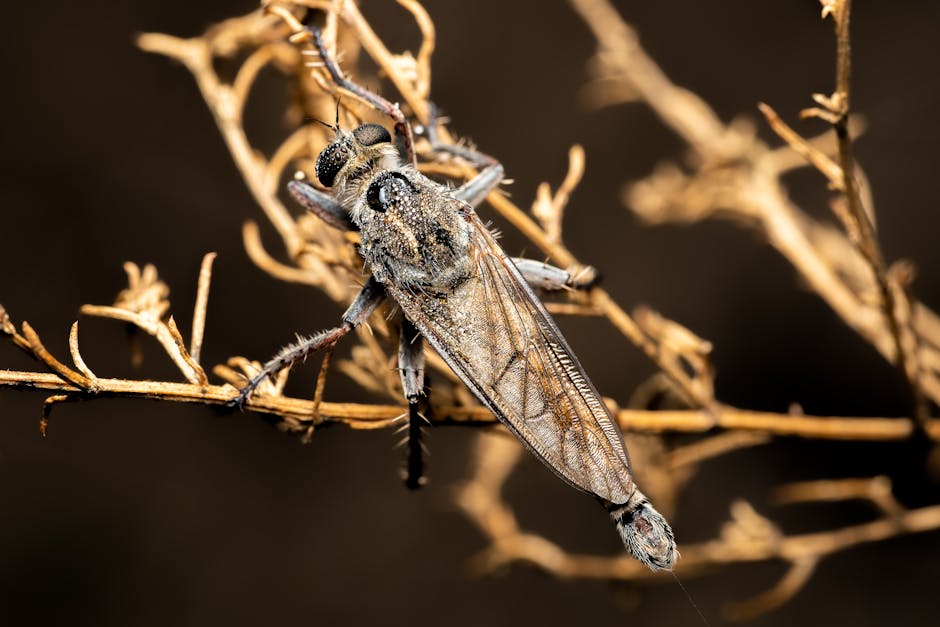
- Yellow glass helps preserve the vivid colors of insect wings, offering a new method for natural history displays.
- This technique could significantly improve the longevity and visual appeal of insect wing specimens in collections.
- Preservation challenges with traditional methods often result in damage or loss of natural color and texture in insect wings.
- The new approach has the potential to enhance educational and research opportunities by better showcasing insect wing specimens.
- This innovation could revolutionize the way we display and study insect wings, contributing to our understanding of the natural world.
The natural world is full of breathtaking beauty, and one of the most striking examples can be found in the intricate patterns and colors of insect wings. However, preserving these delicate structures for display purposes has long been a challenge for scientists and curators. A recent experiment has shown that using yellow glass can help to preserve the vivid colors of insect wings, offering a new and innovative solution for natural history displays and collections. This breakthrough has the potential to revolutionize the way we showcase and interact with these fascinating specimens, and could have a significant impact on our understanding and appreciation of the natural world.
The Challenge of Preserving Insect Wings

Preserving insect wings for display has long been a difficult task, as the delicate structures are prone to fading and damage over time. Traditional methods of preservation, such as using chemicals or adhesives, can often damage the wings or cause them to lose their natural color and texture. As a result, many insect wing specimens are stored in a way that makes them difficult to view or study, limiting their potential for educational and research purposes. The use of yellow glass, however, offers a new and promising solution to this problem, allowing scientists to preserve the wings in a way that maintains their natural beauty and integrity.
A Breakthrough in Preservation Techniques

The experiment that led to this breakthrough involved using yellow glass to preserve a range of insect wing specimens. The results were striking, with the yellow glass helping to maintain the vivid colors and delicate patterns of the wings. The scientists involved in the study believe that this technique could have a significant impact on the way we display and interact with insect specimens, and are eager to explore its potential further. The use of yellow glass could also have implications for the preservation of other delicate natural history specimens, such as flowers or feathers, and could help to open up new avenues for research and education in the field of natural history.
Understanding the Science Behind the Breakthrough
So why does yellow glass have such a profound effect on the preservation of insect wings? The answer lies in the way that light interacts with the glass and the wing specimens. The yellow glass helps to filter out certain wavelengths of light that can cause the wings to fade or become damaged, while also enhancing the natural colors and patterns of the specimens. This results in a more vibrant and lifelike display, allowing viewers to appreciate the full beauty and complexity of the insect wings. The scientists involved in the study are continuing to refine their techniques, exploring the potential of different types of glass and lighting conditions to further enhance the preservation and display of insect specimens.
Implications for Natural History Displays
The use of yellow glass to preserve insect wings has significant implications for natural history displays and collections. By allowing scientists to showcase these delicate specimens in a more lifelike and engaging way, the technique could help to increase public interest and appreciation for the natural world. The preservation of insect wings could also have important implications for research and education, allowing scientists to study and learn from these fascinating specimens in new and innovative ways. As the technique is refined and developed further, it is likely to have a profound impact on the way we interact with and understand the natural world, and could help to inspire a new generation of scientists and naturalists.
Expert Perspectives
Experts in the field of natural history are hailing the use of yellow glass as a major breakthrough in the preservation and display of insect specimens. “This technique has the potential to revolutionize the way we showcase and interact with insect wings,” said one scientist. “It’s a game-changer for natural history displays and collections, and could help to increase public engagement and appreciation for the natural world.” However, others are more cautious, highlighting the need for further research and refinement of the technique before it can be widely adopted. “While the results are certainly promising, we need to be careful not to get ahead of ourselves,” said another expert. “We need to ensure that this technique is safe, effective, and sustainable before we start using it on a large scale.”
As scientists continue to explore the potential of yellow glass for preserving insect wings, it will be interesting to see how this technique develops and evolves over time. Will it become a standard tool for natural history displays and collections, or will it remain a niche technique used by a select few? Only time will tell, but one thing is certain – the use of yellow glass has opened up new and exciting possibilities for the preservation and display of insect specimens, and is likely to have a lasting impact on our understanding and appreciation of the natural world.