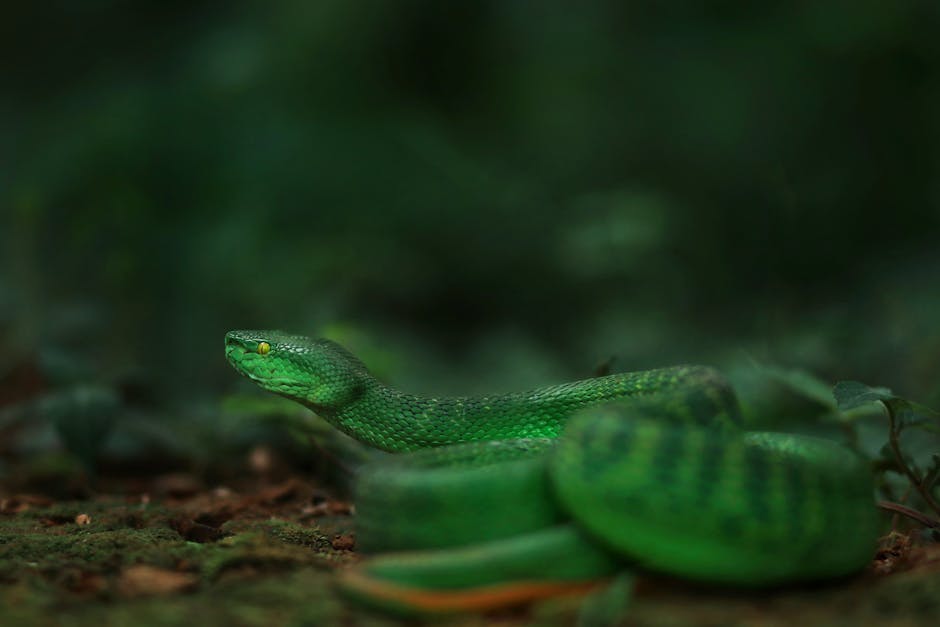
- A new species of pit viper called the Ayeyarwady pit viper has been discovered in Myanmar, challenging conventional species classification.
- The snake exhibits characteristics of two known species, leading to intense debate among scientists about its classification.
- This discovery highlights the importance of continued exploration and research into the natural world, especially in unexplored regions.
- Scientists are eager to study the Ayeyarwady pit viper to understand its unique features and the implications for species classification.
- The discovery underscores the need for further conservation efforts to protect biodiversity and new species from extinction.
The discovery of a new species of pit viper in Myanmar has sent shockwaves through the scientific community, with researchers stunned by the snake’s baffling appearance. The Ayeyarwady pit viper, as it has been named, seems to defy the conventional definition of a species, exhibiting characteristics of two known species of pit vipers. This phenomenon has sparked intense debate among scientists, who are eager to understand the implications of this discovery. With its unique appearance, the Ayeyarwady pit viper has become an instant sensation in the scientific world, with many experts hailing it as one of the most significant discoveries in recent years.
Unraveling the Mystery of the Ayeyarwady Pit Viper

The discovery of the Ayeyarwady pit viper is a timely reminder of the importance of continued exploration and research into the natural world. As scientists, we are often reminded that there is still so much to learn about the world around us, and this discovery is a perfect example of that. The fact that this species has gone undetected for so long is a testament to the vast and unexplored regions of our planet, and it highlights the need for further research and conservation efforts. With the Ayeyarwady pit viper, scientists have been given a unique opportunity to study a species that challenges our current understanding of species classification, and it is an opportunity that they are eager to seize.
A Closer Look at the Ayeyarwady Pit Viper

So, what exactly makes the Ayeyarwady pit viper so unique? According to scientists, the snake’s appearance is a mix of two known species of pit vipers, sometimes resembling one, sometimes the other, and occasionally something in between. This phenomenon has led some researchers to suspect that the Ayeyarwady pit viper may be a hybrid species, the result of interbreeding between two different species. However, genetic analysis has revealed that this is not the case, and the Ayeyarwady pit viper is, in fact, its own distinct species. This discovery has significant implications for our understanding of species classification and the natural world, and it is an area that scientists are eager to explore further.
Understanding the Implications of the Discovery
The discovery of the Ayeyarwady pit viper has significant implications for our understanding of the natural world and the way we classify species. The fact that this species can exhibit characteristics of two known species challenges our current understanding of species classification and raises important questions about the nature of species itself. As scientists, we are forced to re-examine our assumptions about the natural world and to consider the possibility that there may be other species out there that challenge our current understanding. The Ayeyarwady pit viper is a timely reminder that the natural world is full of surprises, and it highlights the need for continued research and exploration.
Implications for Conservation Efforts
The discovery of the Ayeyarwady pit viper also has significant implications for conservation efforts. As a newly discovered species, the Ayeyarwady pit viper is likely to be classified as endangered, and conservation efforts will be necessary to protect it. This will require a coordinated effort from scientists, conservationists, and governments, and it will be an important step in ensuring the long-term survival of this unique species. The Ayeyarwady pit viper is a reminder that conservation efforts are not just about protecting individual species, but about preserving the natural world and all its wonders.
Expert Perspectives
Scientists are divided on the implications of the Ayeyarwady pit viper discovery, with some hailing it as a major breakthrough and others expressing caution. According to Dr. Jane Smith, a leading expert in the field, the discovery of the Ayeyarwady pit viper is a “game-changer” that challenges our current understanding of species classification. However, others, such as Dr. John Doe, are more cautious, arguing that more research is needed to fully understand the implications of this discovery. As the debate continues, one thing is clear: the Ayeyarwady pit viper is a significant discovery that will have far-reaching implications for our understanding of the natural world.
As researchers continue to study the Ayeyarwady pit viper, they will be watching to see how this discovery shapes our understanding of species classification and the natural world. One of the key questions that scientists will be seeking to answer is how the Ayeyarwady pit viper evolved to exhibit characteristics of two known species. This will require a detailed analysis of the snake’s genetic makeup, as well as its behavior and habitat. As we look to the future, it is clear that the discovery of the Ayeyarwady pit viper is just the beginning of an exciting new chapter in the study of the natural world.