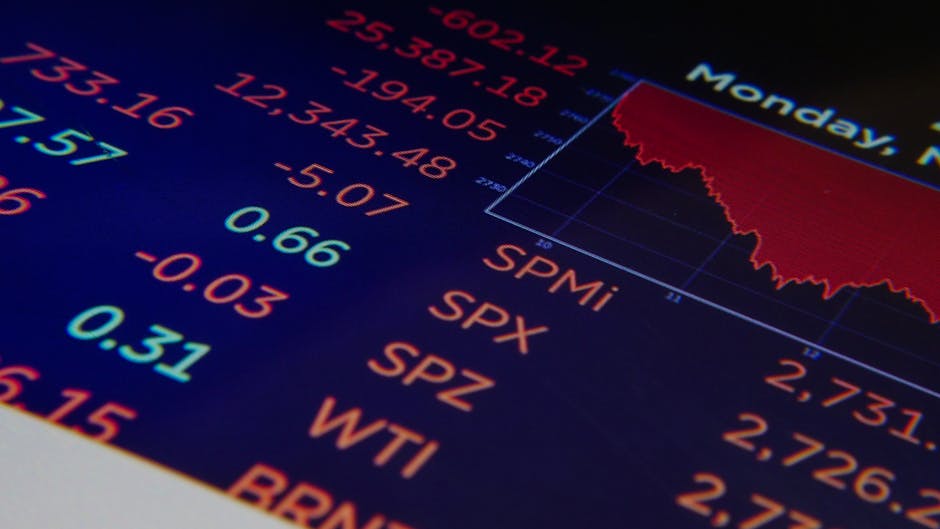
- Financial crises have increased in frequency and severity over the past century, with each crisis costing around 10% of a country’s GDP.
- Excessive speculation, lax regulation, and unchecked debt are timeless and universal causes of financial crises.
- Recognizing early warning signs is crucial in mitigating the impact of financial crises.
- A nuanced understanding of the interplay between economic, social, and political factors is essential in preventing financial instability.
- Studying historical financial crises offers valuable lessons for investors, policymakers, and economists.
The history of finance is littered with crises that have shaped the global economy into what it is today. From the debt defaults of ancient Babylon to the Savings and Loan scandal that contributed to the 2008 financial meltdown, each crisis has offered valuable lessons for investors, policymakers, and economists. One striking fact is that the frequency and severity of financial crises have increased over the past century, with the average crisis costing around 10% of a country’s GDP. This trend underscores the importance of understanding the past to navigate the complexities of the modern financial landscape.
Early Warning Signs

The study of historical financial crises reveals a multitude of early warning signs that, in hindsight, appear glaringly obvious. The Babylonians, for example, experienced debt defaults as early as 1800 BCE, while the Dutch Tulip Mania of the 17th century is often cited as the first recorded speculative bubble. These events demonstrate that the fundamental causes of financial crises – excessive speculation, lax regulation, and unchecked debt – are timeless and universal. As such, it is crucial to recognize these warning signs and take proactive measures to mitigate their impact. By examining the past, we can develop a more nuanced understanding of the complex interplay between economic, social, and political factors that contribute to financial instability.
Key Crises and Their Consequences

A closer examination of key financial crises throughout history reveals a range of common themes and consequences. The Great Depression of the 1930s, for instance, was characterized by a sharp decline in international trade, widespread bank failures, and a devastating rise in unemployment. Similarly, the 1997 Asian financial crisis was marked by a sudden loss of investor confidence, a sharp devaluation of local currencies, and a significant decline in economic output. These crises demonstrate the potential for financial instability to have far-reaching and devastating consequences, highlighting the need for policymakers to develop effective strategies for crisis prevention and management. By understanding the key details of these crises, including their causes, consequences, and policy responses, we can better equip ourselves to address the challenges of the modern financial landscape.
Analyzing the Causes and Effects
Analysis of historical financial crises reveals a complex interplay of factors, including economic, social, and political elements. The 2008 financial crisis, for example, was triggered by a combination of subprime lending, excessive leverage, and deregulation, which ultimately led to a global credit crunch and a deep recession. Similarly, the European sovereign debt crisis of 2010 was caused by a combination of fiscal profligacy, poor governance, and a lack of economic competitiveness. By examining the causes and effects of these crises, we can identify key lessons for policymakers, investors, and economists, including the importance of prudent regulation, the need for fiscal discipline, and the dangers of unchecked debt and speculation. Furthermore, the analysis of historical data and expert opinions can provide valuable insights into the dynamics of financial crises, enabling us to develop more effective strategies for crisis prevention and management.
Implications for the Future
The implications of historical financial crises for the future are profound and far-reaching. As the global economy continues to evolve and become increasingly interconnected, the potential for financial instability to have devastating consequences has never been greater. The 2008 crisis, for example, highlighted the need for more effective regulation, greater international cooperation, and more robust crisis management mechanisms. Similarly, the COVID-19 pandemic has underscored the importance of fiscal resilience, the need for robust social safety nets, and the dangers of complacency in the face of uncertainty. By understanding the implications of historical financial crises, we can better equip ourselves to address the challenges of the modern financial landscape and develop more effective strategies for navigating an increasingly complex and interconnected world.
Expert Perspectives
Experts offer a range of perspectives on the lessons that can be learned from historical financial crises. Some argue that the key to preventing future crises lies in the development of more effective regulation, while others emphasize the need for greater international cooperation and more robust crisis management mechanisms. Dr. Nouriel Roubini, a renowned economist, notes that “the study of historical financial crises is essential for understanding the complexities of the modern financial landscape and developing effective strategies for crisis prevention and management.” In contrast, Dr. Joseph Stiglitz, a Nobel laureate, argues that “the root cause of financial crises lies in the inherent instability of the financial system, which can only be addressed through fundamental reforms to the global economic order.” These contrasting viewpoints highlight the complexity and nuance of the issue, underscoring the need for ongoing debate and discussion.
As we look to the future, one open question remains: what will be the next major financial crisis, and how can we prepare for it? Will it be triggered by a global pandemic, a cyberattack, or a sudden shift in investor sentiment? Whatever the cause, it is clear that the study of historical financial crises offers valuable lessons for investors, policymakers, and economists. By examining the past, we can develop a more nuanced understanding of the complex interplay between economic, social, and political factors that contribute to financial instability, and ultimately, build a more resilient and stable financial system for the future.