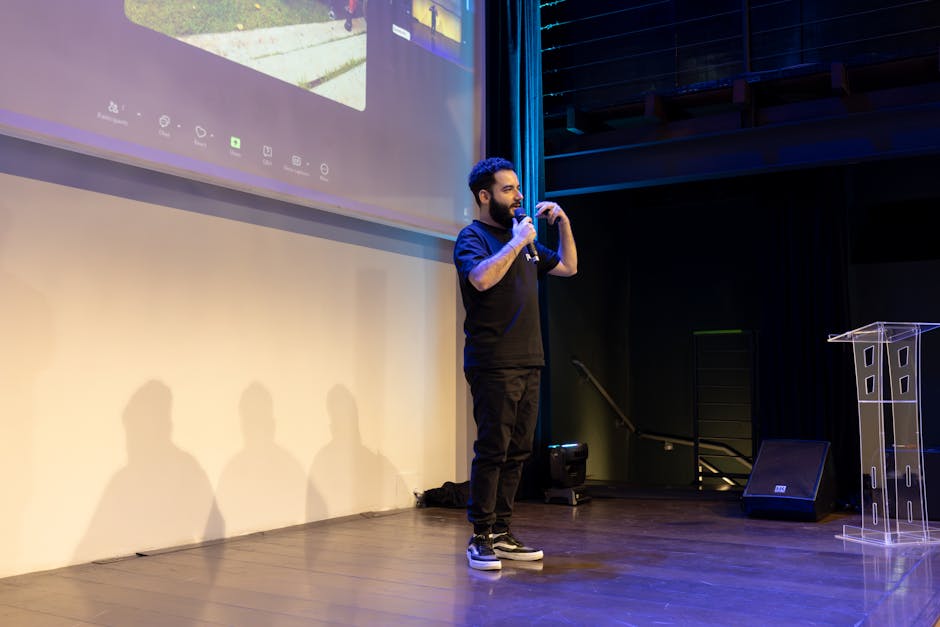
- Peter Molyneux is retiring after a 30-year career in game development, marking the end of an era in the UK gaming industry.
- Masters of Albion, his final game, is set to be released, reflecting on his career and the evolving nature of game development.
- The use of AI in game development has significantly transformed the industry, affecting the role of traditional game developers.
- Molyneux’s decision to retire highlights the constant need for innovation and adaptation in the fast-paced gaming landscape.
- AI is becoming a crucial tool in game creation, leading to more realistic game worlds and enhanced player experiences.
The UK gaming industry is bidding farewell to one of its most iconic figures, Peter Molyneux, as he announces his final game, Masters of Albion. With a career spanning over three decades, Molyneux has been the mastermind behind beloved series such as Fable, Black & White, and Theme Park. His decision to retire from game development has sent shockwaves through the gaming community, leaving fans and fellow developers alike wondering what prompted this move. As Molyneux prepares to launch his last game, he shares his thoughts on the evolving gaming landscape, the role of AI, and what inspired him to create Masters of Albion.
The Evolution of Game Development

The gaming industry has undergone significant transformations since Molyneux’s early days as a developer. The rise of new technologies, business models, and player expectations has forced game creators to adapt and innovate. One of the key drivers of this change is the increasing use of artificial intelligence (AI) in game development. AI-powered tools are being used to create more realistic game worlds, NPCs, and gameplay mechanics, raising the bar for game quality and player engagement. As Molyneux reflects on his career, he acknowledges the impact of AI on the industry, citing it as a major factor in his decision to retire. With AI-generated content becoming more prevalent, Molyneux believes that the role of the traditional game developer is changing, and it’s time for him to pass the torch to a new generation of creators.
Masters of Albion: A Swan Song

Molyneux’s final game, Masters of Albion, promises to be an epic conclusion to his illustrious career. The game is set in a medieval world where players must navigate the complexities of kingdom management, diplomacy, and warfare. What sets Masters of Albion apart from other games in the genre is its extensive use of AI. The game features AI-driven NPCs, dynamic environments, and a complex economic system, all of which are designed to create a more immersive and realistic gameplay experience. Molyneux has stated that he wants Masters of Albion to be a game that challenges players and pushes the boundaries of what is possible in the genre. With its innovative AI-powered mechanics and rich gameplay, Masters of Albion is poised to leave a lasting legacy in the gaming world.
Analysis: The Future of Game Development
The announcement of Molyneux’s retirement has sparked a wider debate about the future of game development. As AI becomes more integral to the game creation process, there are concerns about the potential impact on the industry’s workforce. Will AI replace human developers, or will it augment their abilities, allowing them to focus on more creative and high-level tasks? Molyneux believes that AI will undoubtedly change the nature of game development, but it will also create new opportunities for innovation and creativity. He points to the example of AI-generated music and art, which have opened up new avenues for artistic expression. Similarly, AI-powered game development tools will enable developers to create more complex and engaging games, freeing them from the drudgery of repetitive tasks and allowing them to focus on the creative aspects of game design.
Implications: A Changing Industry
The implications of Molyneux’s retirement and the rise of AI in game development are far-reaching. As the industry continues to evolve, we can expect to see more games that incorporate AI-powered mechanics and tools. This shift will likely lead to changes in the way games are created, marketed, and consumed. Players will expect more realistic and immersive experiences, and developers will need to adapt to meet these demands. The departure of iconic figures like Molyneux will also create opportunities for new talent to emerge, bringing fresh perspectives and ideas to the industry. As the gaming landscape continues to shift, one thing is certain – the legacy of Peter Molyneux will endure, inspiring future generations of game developers and players alike.
Expert Perspectives
Industry experts are weighing in on Molyneux’s decision to retire and the impact of AI on game development. Some believe that AI will revolutionize the industry, enabling developers to create more sophisticated and engaging games. Others are more cautious, warning that the over-reliance on AI could lead to a homogenization of game styles and a loss of creativity. Molyneux’s own perspective is that AI is a tool, not a replacement for human creativity. He believes that the best games will always be those that combine the power of AI with the imagination and vision of human developers.
As the gaming industry looks to the future, there are many questions about what’s next for AI-powered game development. Will we see more games like Masters of Albion, which push the boundaries of what is possible with AI? How will the role of the game developer evolve in response to these changes? One thing is certain – the retirement of Peter Molyneux marks the end of an era, but it also signals the beginning of a new chapter in the story of game development. As the industry continues to evolve, we can expect to see new innovations, new challenges, and new opportunities for creativity and growth.