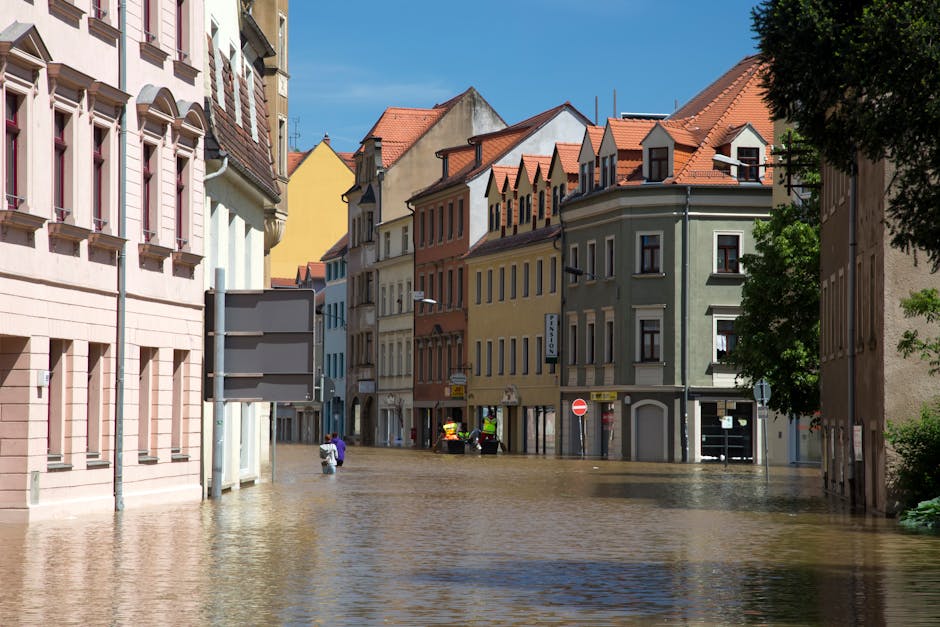
- Heatwaves, floods, and wildfires linked to the climate crisis have disrupted at least 23 elections in 18 countries in 2024 alone.
- Climate-related impacts are increasingly shaping the outcome of elections worldwide, undermining democratic institutions.
- Since 2004, a total of 94 elections and referendums across 52 countries have been disrupted by climate-related impacts.
- Climate-related election disruptions have resulted in postponed or cancelled elections, damaged voting infrastructure, and displaced voters.
- The climate crisis is eroding the foundations of democracy, from election integrity to institutional stability.
A new report has revealed that heatwaves, floods, and wildfires linked to the climate crisis have disrupted at least 23 elections in 18 countries in 2024 alone, highlighting the growing threat to democracy worldwide. The research, which analyzed election disruptions over the last two decades, found that climate-related impacts are increasingly shaping the outcome of elections, undermining the stability of democratic institutions.
Climate-Related Election Disruptions on the Rise

The study documented a total of 94 elections and referendums across 52 countries that have been disrupted by climate-related impacts since 2004. These disruptions have resulted in postponed or cancelled elections, damaged voting infrastructure, and displaced voters, ultimately affecting the legitimacy and fairness of the electoral process. The immediate impact of these disruptions has been felt by millions of voters worldwide, who have been denied their right to participate in the democratic process.
Understanding the Climate-Democracy Nexus

The climate crisis is not only an environmental issue but also a significant threat to democratic governance. Rising temperatures, more frequent natural disasters, and extreme weather events are eroding the foundations of democracy, from the integrity of elections to the stability of institutions. The report’s findings underscore the need for governments and international organizations to address the climate-democracy nexus and develop strategies to mitigate the impacts of climate-related hazards on democratic processes.
What to Watch
As the climate crisis continues to intensify, the international community can expect more frequent and severe election disruptions. In the coming months, researchers and policymakers will be closely monitoring the impact of climate-related hazards on upcoming elections, particularly in regions prone to natural disasters. The development of climate-resilient electoral systems and the implementation of emergency preparedness plans will be crucial in protecting the integrity of democratic processes and ensuring that voters can exercise their rights safely and freely.