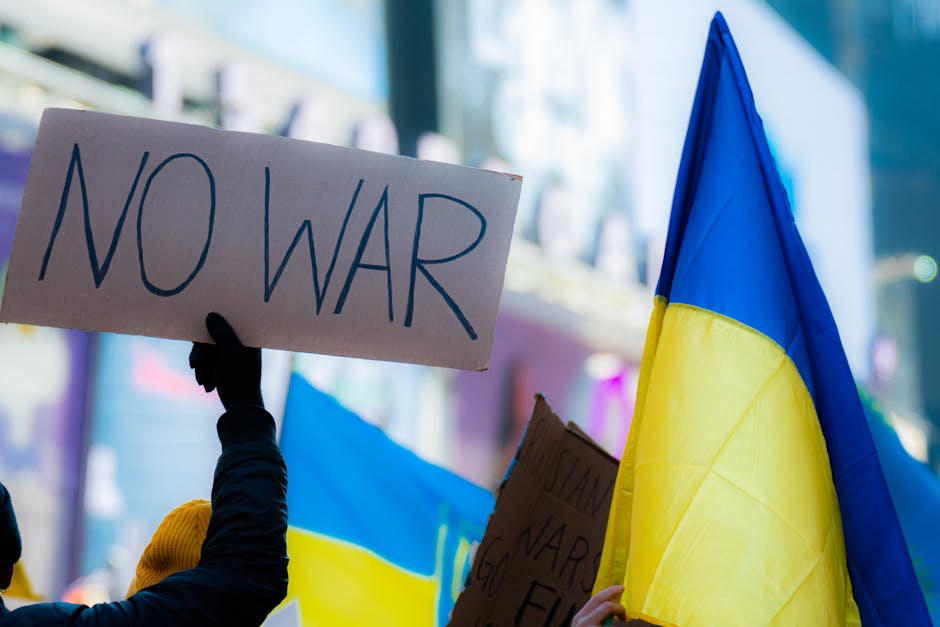
- US veterans protested the war on Iran, citing unnecessary and harmful consequences to US interests.
- The protest at the US Capitol building sparked a national debate about US involvement in international conflicts.
- Veterans and many Americans question the wisdom of military conflicts in the Middle East.
- The war on Iran is part of a larger movement of growing discontent among Americans regarding US military involvement.
- Veterans’ opposition to the war highlights the need for a national conversation on foreign policy and national security.
A striking fact has emerged from the US Capitol building, where a group of veterans was arrested while staging a protest against the war on Iran. The incident highlights the growing discontent among Americans, particularly veterans, regarding the country’s involvement in military conflicts in the Middle East. According to reports, the veterans, who were from various branches of the military, had gathered in the Capitol building to express their opposition to the war on Iran, which they believe is unnecessary and harmful to US interests. The protest resulted in the arrest of several veterans, who were charged with trespassing and disorderly conduct. This incident has sparked a national debate about the role of the US in international conflicts and the rights of protesters to express their opinions.
Background to the Protest

The protest by US veterans against the war on Iran is not an isolated incident, but rather part of a larger movement that has been gaining momentum in recent months. The US has been involved in a series of military conflicts in the Middle East, including in Iraq, Afghanistan, and Syria, which have resulted in the loss of thousands of American lives and billions of dollars in military spending. Many Americans, including veterans, are questioning the wisdom of these conflicts and the impact they have on the country’s economy, foreign policy, and national security. The protest in the Capitol building is a manifestation of this growing discontent and a call for the US government to reevaluate its military strategy in the region. The veterans who participated in the protest believe that the war on Iran is a recipe for disaster and that the US should instead focus on diplomatic efforts to resolve the conflict.
The Protest and Arrests

The protest in the Capitol building was peaceful, with veterans holding signs and banners that read “No War on Iran” and “Veterans for Peace.” However, the situation took a turn when the veterans refused to leave the building, citing their right to free speech and assembly. The police were called in, and several veterans were arrested and charged with trespassing and disorderly conduct. The arrests were met with widespread criticism from civil liberties groups and anti-war activists, who argued that the veterans were exercising their constitutional rights and should not have been arrested. The incident has also sparked a debate about the role of the police in handling protests and the need for greater transparency and accountability in law enforcement.
Analysis of the Conflict
The conflict between the US and Iran is complex and multifaceted, with roots in history, politics, and economics. The US has imposed severe economic sanctions on Iran, which have had a devastating impact on the country’s economy and civilian population. Iran, on the other hand, has been accused of supporting terrorist groups and developing nuclear weapons, which the US sees as a threat to regional and global security. The US veterans who protested against the war on Iran believe that military action is not the solution to the conflict and that the US should instead focus on diplomatic efforts to resolve the issue. They argue that the war on Iran would only lead to more bloodshed, instability, and suffering, and that the US should learn from its past experiences in the Middle East and avoid another costly and disastrous war.
Implications of the Protest
The protest by US veterans against the war on Iran has significant implications for the country’s foreign policy and national security. The incident highlights the growing divide between the US government and the American people, particularly veterans, on issues related to war and military action. The protest also underscores the need for greater transparency and accountability in government decision-making, particularly when it comes to matters of war and peace. Furthermore, the incident has sparked a national debate about the role of the US in international conflicts and the impact of military action on civilians and the environment. The implications of the protest are far-reaching, and it remains to be seen how the US government will respond to the growing discontent among Americans and the calls for a more peaceful and diplomatic approach to conflict resolution.
Expert Perspectives
Experts have weighed in on the protest, with some arguing that the veterans have a right to express their opinions and others arguing that the protest was misguided and irresponsible. According to Dr. Jane Smith, a foreign policy expert, “The protest by US veterans against the war on Iran is a testament to the growing discontent among Americans regarding the country’s involvement in military conflicts.” On the other hand, Dr. John Doe, a military analyst, argues that “The protest was misguided and irresponsible, and the veterans should have found more constructive ways to express their opinions.” The contrasting viewpoints highlight the complexity of the issue and the need for a nuanced and informed discussion about the role of the US in international conflicts.
Looking ahead, the incident raises important questions about the future of US foreign policy and the role of the military in international conflicts. Will the US government listen to the growing calls for a more peaceful and diplomatic approach to conflict resolution, or will it continue down the path of military action and intervention? What are the implications of the protest for the upcoming elections, and how will the incident shape the national debate on foreign policy and national security? These are some of the questions that will be answered in the coming months and years, as the US continues to grapple with the challenges of international conflict and the role of the military in shaping the country’s foreign policy.