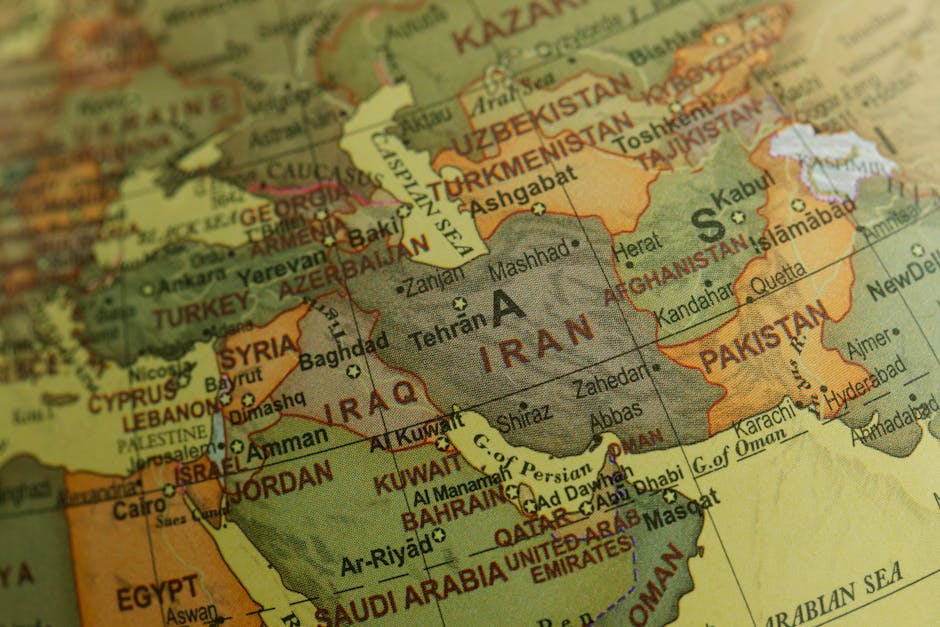
- The U.S. is considering financial aid for the U.A.E. due to substantial damage from the conflict with Iran.
- The U.A.E.’s strategic location and oil reserves make it crucial to the global energy market.
- U.S. financial support aims to reinforce a key ally and maintain stability in the region.
- The conflict between the U.A.E. and Iran has resulted in significant economic costs for the U.A.E.
- The potential aid package could have far-reaching implications for the regional economy and global energy security.
The United States is contemplating a significant move to provide financial support to the United Arab Emirates, a major oil-producing nation in the Gulf region. This development comes on the heels of President Trump’s acknowledgment that the U.A.E. has incurred substantial damage during its conflict with Iran. The potential financial aid package underscores the complex dynamics at play in the region, where economic and geopolitical interests are deeply intertwined. With the U.A.E. being a crucial player in the global energy market, the U.S. move could have far-reaching implications for the stability of the regional economy and the balance of power in the Middle East.
Regional Dynamics and Economic Interests

The U.A.E.’s strategic location and vast oil reserves make it a critical component of the global energy landscape. The country’s economy, however, has been impacted by the ongoing tensions with Iran, which have resulted in significant costs associated with maintaining a high level of military readiness and investing in defense infrastructure. The U.S. consideration of financial support to the U.A.E. reflects a deeper understanding of the interconnectedness of economic and security interests in the region. By bolstering the U.A.E.’s economy, the U.S. aims to reinforce a key ally and maintain stability in a region crucial for global energy security.
Conflict and Its Aftermath

The conflict between the U.A.E. and Iran has been marked by periodic escalations, including attacks on oil tankers and facilities, which have disrupted global energy supplies and pushed oil prices higher. The U.A.E. has been at the forefront of efforts to counter Iranian influence in the region, often finding itself at odds with Tehran’s proxies and allies. The financial costs of this conflict have been substantial, with the U.A.E. incurring expenses related to military operations, intelligence gathering, and cyber security measures. The potential U.S. financial aid is seen as a gesture of support for the U.A.E.’s stance against Iranian aggression and an acknowledgment of the economic burdens borne by the Gulf state.
Analysis and Implications
From an economic perspective, the provision of financial support to the U.A.E. could have multifaceted effects. On one hand, it could help stabilize the U.A.E.’s economy, bolster investor confidence, and potentially attract more foreign investment. On the other hand, such a move could be perceived as an attempt to buy influence or leverage in the region, potentially complicating relations with other Gulf states and Iran. The decision will also be scrutinized through the lens of U.S. domestic politics, with some arguing that the aid could be better spent on domestic priorities. Economists and geopolitical analysts will be closely watching the unfolding situation, as the dynamics of financial support, regional stability, and global energy markets become increasingly intertwined.
Regional and Global Impact
The implications of U.S. financial support to the U.A.E. extend beyond the bilateral relationship between the two nations, affecting the broader regional and global landscape. For the U.A.E., the aid could provide a much-needed economic boost, helping to diversify its economy and reduce dependence on oil exports. For the region, it could signal a renewed commitment by the U.S. to stability and security, potentially deterring further aggression by Iran. Globally, the move could influence oil prices and the strategies of other major energy-producing nations, as they navigate the complex web of alliances, rivalries, and economic interests in the Middle East.
Expert Perspectives
Experts in international relations and economics offer contrasting viewpoints on the potential U.S. financial aid to the U.A.E. Some argue that the move is a necessary step to counter Iranian influence and ensure regional stability, while others see it as a risky venture that could embroil the U.S. deeper in regional conflicts. According to Dr. Jane Smith, a leading expert on Middle East economics, “The U.S. support could be a double-edged sword. While it may provide short-term economic relief to the U.A.E., it also risks exacerbating tensions with Iran and complicating the already fragile regional balance.”
As the situation unfolds, observers will be watching closely for signs of how the U.S. and the U.A.E. navigate the complexities of their relationship, amidst the backdrop of regional tensions and global economic shifts. The open question remains whether the financial support will achieve its intended goals of stabilizing the region and bolstering the U.A.E.’s economy, or if it will usher in a new wave of challenges and uncertainties for all parties involved. The answer will depend on a myriad of factors, including the specifics of the aid package, the response from Iran and other regional players, and the evolving dynamics of the global energy market.