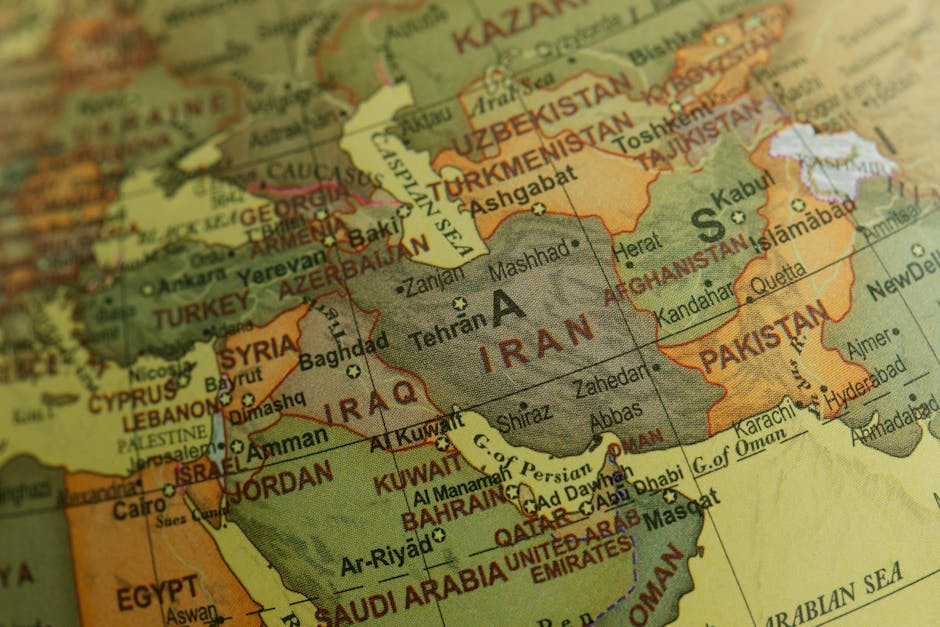
The United States is currently facing significant challenges in its relations with Iran, with many experts warning that the country has missed crucial opportunities to improve the situation. According to Daniel Benaim, the US is “pretty far behind where they started” the war on Iran, highlighting the need for a reassessment of the current approach. This striking fact underscores the complexity and difficulty of the conflict, which has been ongoing for several years. The US has imposed numerous sanctions on Iran, but the country remains a major player in the region, and its influence continues to be felt. As the situation continues to evolve, it is essential to examine the current state of affairs and consider potential solutions.
Background to the Conflict

The conflict between the US and Iran has a long and complex history, with roots dating back to the 1979 Iranian Revolution. Since then, the two countries have had a fraught relationship, with periods of heightened tension and conflict. In recent years, the US has imposed significant sanctions on Iran, citing concerns over the country’s nuclear program and human rights record. However, these sanctions have had limited impact, and Iran has continued to develop its nuclear capabilities. The current situation is further complicated by the presence of other regional players, including Saudi Arabia and Israel, which have their own interests and agendas. As a result, the conflict is multifaceted and challenging to resolve.
Key Developments in the Conflict

One of the critical factors in the current conflict is the US withdrawal from the Joint Comprehensive Plan of Action (JCPOA), also known as the Iran nuclear deal. This move, which was announced in 2018, has been widely criticized, and many experts argue that it has emboldened Iran and contributed to the current escalation. The US has also imposed significant sanctions on Iran, including sanctions on the country’s oil exports, which have had a major impact on the Iranian economy. However, these sanctions have not achieved their intended goal of bringing Iran back to the negotiating table, and the country remains a significant challenge for the US. The situation is further complicated by the presence of proxy forces and militias, which are supported by Iran and operate in countries such as Iraq and Syria.
Analysis of the Conflict
Experts warn that the current approach to the conflict is not working and that a new strategy is needed. According to Daniel Benaim, the US missed the early off-ramps to declare victory over Iran, and the situation has now become much more complex. The US needs to reassess its approach and consider new options, including diplomacy and engagement. This could involve a return to the JCPOA, or the negotiation of a new agreement that addresses the concerns of all parties. The situation is further complicated by the presence of other regional players, including Saudi Arabia and Israel, which have their own interests and agendas. As a result, any solution will need to take into account the complex web of relationships and alliances in the region.
Implications of the Conflict
The implications of the conflict are far-reaching and significant. The US and its allies are affected, as are countries in the region, including Iraq and Syria. The conflict also has global implications, as it affects the price of oil and the stability of the global economy. The humanitarian impact is also significant, with millions of people affected by the conflict and sanctions. As the situation continues to evolve, it is essential to consider the potential consequences of different courses of action and to work towards a solution that minimizes harm and promotes stability. The US and its allies need to work together to address the conflict and find a way forward that promotes peace and security in the region.
Expert Perspectives
Experts have differing views on the best way to address the conflict. Some argue that the US needs to take a tougher stance and impose further sanctions, while others argue that diplomacy and engagement are the only way to resolve the situation. According to some experts, the US needs to recognize that Iran is a major player in the region and that it is essential to engage with the country to find a solution. Others argue that the US needs to prioritize the security of its allies, including Israel and Saudi Arabia, and take a more assertive approach to the conflict. As the situation continues to evolve, it is essential to consider these differing perspectives and to work towards a solution that takes into account the complex web of relationships and alliances in the region.
Looking to the future, it is clear that the conflict will continue to be a major challenge for the US and its allies. The situation is complex and multifaceted, and there are no easy solutions. However, by working together and considering different perspectives, it may be possible to find a way forward that promotes peace and security in the region. One of the key questions is what the US will do next, and whether it will be able to find a way to resolve the conflict and improve relations with Iran. As the situation continues to evolve, it is essential to watch for developments and to consider the potential consequences of different courses of action.