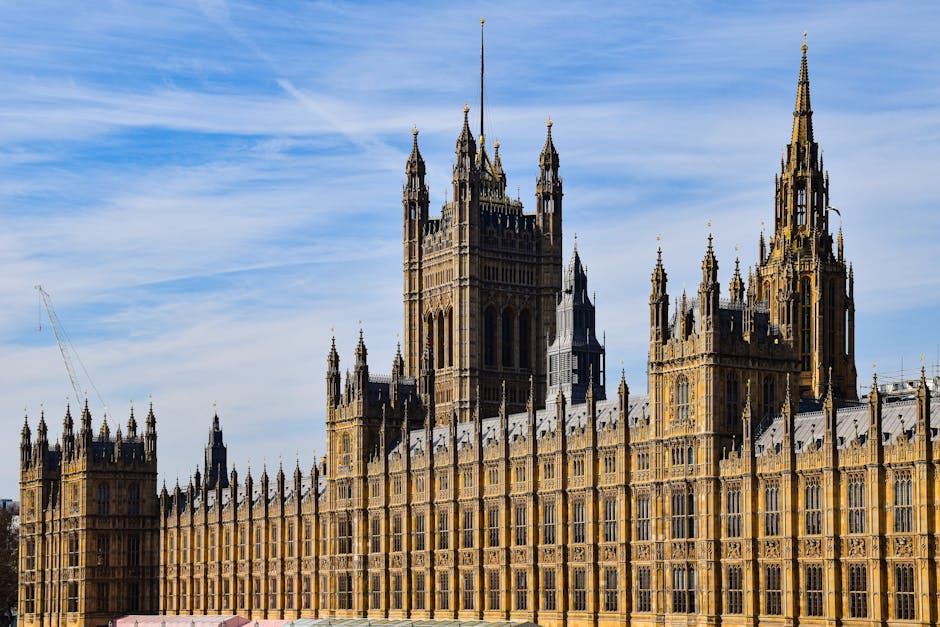
- UK PM Starmer faces criticism after revealing he was unaware of security officials’ recommendations to sideline Lord Mandelson.
- Opposition calls for Starmer’s resignation over handling of the Mandelson appointment, citing national security concerns.
- The controversy highlights issues of accountability, transparency, and vetting processes in high-level government positions.
- Mandelson’s association with Jeffrey Epstein, a convicted sex offender, has raised questions about the suitability of his role.
- This situation underscores the importance of leadership integrity and judgement as the UK faces various internal and external challenges.
The UK Prime Minister, Sir Keir Starmer, has found himself at the centre of a growing controversy surrounding the appointment of Lord Peter Mandelson to a key advisory role. In a striking admission, Starmer revealed that he was not aware of security officials’ recommendations to sideline Mandelson due to his links with the late convicted sex offender, Jeffrey Epstein. This revelation has sparked intense scrutiny, with opposition parties and critics calling for Starmer’s resignation over the perceived lapse in judgement. The Prime Minister’s opponents argue that his handling of the situation has compromised national security and undermined public trust in the government.
Background to the Controversy

The controversy surrounding Lord Mandelson’s appointment is not merely a matter of partisan politics; it speaks to deeper concerns about accountability, transparency, and the vetting process for high-level government positions. The fact that Mandelson’s association with Epstein, a figure notorious for his criminal activities, did not immediately disqualify him from serving in a sensitive role has raised eyebrows. This situation matters now more than ever because it highlights systemic flaws in how the government assesses the suitability of its advisors and officials. As the UK navigates complex geopolitical landscapes and faces numerous internal challenges, the integrity and judgement of its leadership are under the microscope.
Key Details of the Mandelson Appointment

Lord Mandelson, a seasoned politician and former EU Commissioner, was appointed to his current role amidst fanfare about his experience and expertise. However, it has since emerged that security officials had expressed concerns about his connections to Epstein, suggesting that these links could pose a risk to national security. Starmer has insisted that he was not informed of these concerns, laying the blame on a communication breakdown within the government. The specifics of who knew what and when are still murky, but what is clear is that Mandelson’s appointment has become a lightning rod for criticism of Starmer’s leadership and the government’s vetting processes.
Analysis of the Crisis
An analysis of the situation reveals a multifaceted crisis that encompasses issues of trust, governance, and communication. At its core, the controversy questions the effectiveness of the systems in place to ensure that individuals in positions of power are thoroughly vetted and free from compromising associations. Experts point to a lack of transparency and accountability, suggesting that the government’s response has been reactive rather than proactive. Data on similar cases of compromised officials suggests that such lapses can have long-term consequences for national security and public perception of the government. Moreover, the involvement of high-profile figures like Mandelson and Epstein adds a layer of complexity, highlighting the challenges of navigating elite networks where personal and professional relationships can blur.
Implications for the Government and Public
The implications of this controversy are far-reaching, affecting not just the government’s reputation but also the public’s trust in institutions. For the government, the immediate concern is damage control, as Starmer and his cabinet seek to reassure the public and opposition parties that steps are being taken to address the situation. For the public, the concern is more profound, relating to the perceived integrity and competence of those in power. As the UK faces numerous challenges, from economic recovery to geopolitical stability, the ability of its government to inspire confidence is crucial. The fallout from the Mandelson controversy could have lasting effects on how the government is perceived and its ability to implement policies effectively.
Expert Perspectives
Experts offer contrasting viewpoints on the handling of the Mandelson situation, with some arguing that Starmer’s admission of a mistake and commitment to an investigation are steps in the right direction, while others contend that these measures do not go far enough. Critics suggest that a more thorough overhaul of the vetting process and greater transparency are needed to prevent similar situations in the future. Meanwhile, supporters of the Prime Minister argue that his leadership during this crisis has been decisive and that calls for his resignation are premature and politically motivated.
Looking forward, the key question is what measures the government will implement to ensure that such controversies are avoided in the future. Will there be a significant overhaul of the vetting process for high-level appointments, and how will the government work to restore public trust? These are the questions that Starmer and his government must answer in the coming weeks and months. As the situation continues to unfold, one thing is certain: the scrutiny of the government’s actions and the demand for accountability will only intensify, reflecting the public’s desire for transparency and good governance.