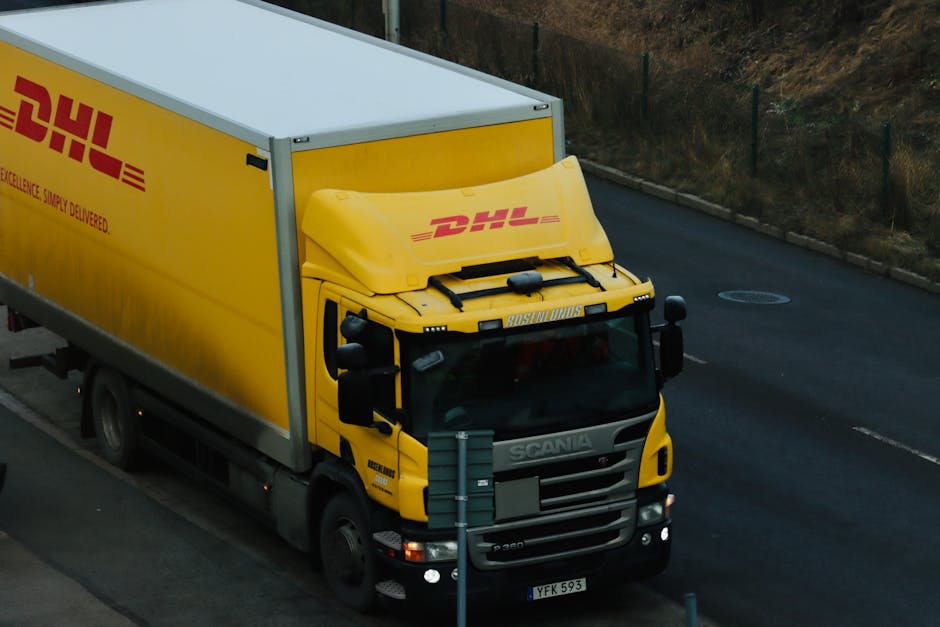
- UPS and FedEx are filing requests for tariff refunds, aiming to alleviate financial burdens on customers.
- The total amount of tariffs paid by logistics companies is estimated to be in the millions of dollars.
- The refund process is expected to take several months, causing a delay in funds reaching customers.
- Tariffs imposed on Chinese goods have significantly impacted the logistics industry, leading to increased costs.
- The decision by UPS and FedEx to file for tariff refunds is a welcome move in mitigating customer financial burdens.
The ongoing trade tensions between the US and its major trading partners have led to a significant increase in tariffs, affecting various industries, including logistics. In a recent development, UPS and FedEx have begun filing requests for some tariff refunds through the government’s refund process. This move is expected to bring relief to customers who have been bearing the brunt of these tariffs. According to industry estimates, the total amount of tariffs paid by logistics companies on behalf of their customers runs into millions of dollars. While the refund process has been initiated, it is likely to take several months for the funds to reach the customers.
Background and Context

The current trade environment has been marked by uncertainty and volatility, with tariffs being imposed and revised frequently. This has created a challenging situation for logistics companies like UPS and FedEx, which have to navigate through the complex web of tariffs and regulations. The tariffs imposed on Chinese goods, in particular, have had a significant impact on the logistics industry, with many companies struggling to absorb the additional costs. The decision by UPS and FedEx to file for tariff refunds is a welcome move, as it will help to mitigate the financial burden on their customers. However, the refund process is expected to be lengthy, and it may take several months for the customers to receive the refunds.
Key Details of the Refund Process

UPS and FedEx have started filing requests for tariff refunds through the US Customs and Border Protection’s (CBP) refund process. The process involves submitting detailed documentation, including invoices, shipping records, and proof of payment. The CBP will then review the applications and verify the eligibility of the refunds. Once the refunds are approved, they will be paid to the logistics companies, which will then distribute the funds to their customers. The entire process is expected to take several months, during which time the customers will have to continue bearing the costs of the tariffs. The logistics companies have assured their customers that they will do everything possible to expedite the refund process and minimize the delays.
Analysis of the Impact
The decision by UPS and FedEx to file for tariff refunds is a significant development, as it will help to reduce the financial burden on their customers. The tariffs imposed on Chinese goods have had a disproportionate impact on small and medium-sized businesses, which often rely on logistics companies to import goods. The refund process will provide much-needed relief to these businesses, which have been struggling to cope with the additional costs. However, the impact of the tariffs goes beyond the logistics industry, and it has had a ripple effect on the entire economy. The refund process is expected to have a positive impact on the economy, as it will help to stimulate trade and commerce. According to industry estimates, the refund process could inject millions of dollars into the economy, which will help to boost economic growth.
Implications for Customers and the Economy
The tariff refund process initiated by UPS and FedEx will have significant implications for their customers and the economy as a whole. The refunds will provide a much-needed boost to businesses that have been struggling to cope with the additional costs of the tariffs. The refunds will also help to stimulate trade and commerce, which will have a positive impact on the economy. However, the refund process is expected to be lengthy, and it may take several months for the customers to receive the refunds. This could create uncertainty and volatility in the market, as businesses may have to continue bearing the costs of the tariffs for an extended period. Despite these challenges, the refund process is a welcome move, and it will help to mitigate the financial burden on businesses and stimulate economic growth.
Expert Perspectives
Industry experts have welcomed the decision by UPS and FedEx to file for tariff refunds, citing it as a positive development for businesses and the economy. According to one expert, the refund process will help to reduce the financial burden on businesses and stimulate trade and commerce. However, another expert cautioned that the refund process could be complex and time-consuming, and it may take several months for the customers to receive the refunds. Despite these challenges, the experts agree that the refund process is a step in the right direction, and it will help to mitigate the impact of the tariffs on businesses and the economy.
Looking ahead, the tariff refund process initiated by UPS and FedEx is expected to have a significant impact on the logistics industry and the economy. As the refund process unfolds, businesses and investors will be watching closely to see how it affects trade and commerce. One open question is how the US government will respond to the refund requests, and whether it will approve the refunds in a timely manner. Another question is how the refund process will affect the relationships between logistics companies, their customers, and the government. As the situation continues to evolve, one thing is clear: the tariff refund process will be a critical factor in shaping the future of the logistics industry and the economy.