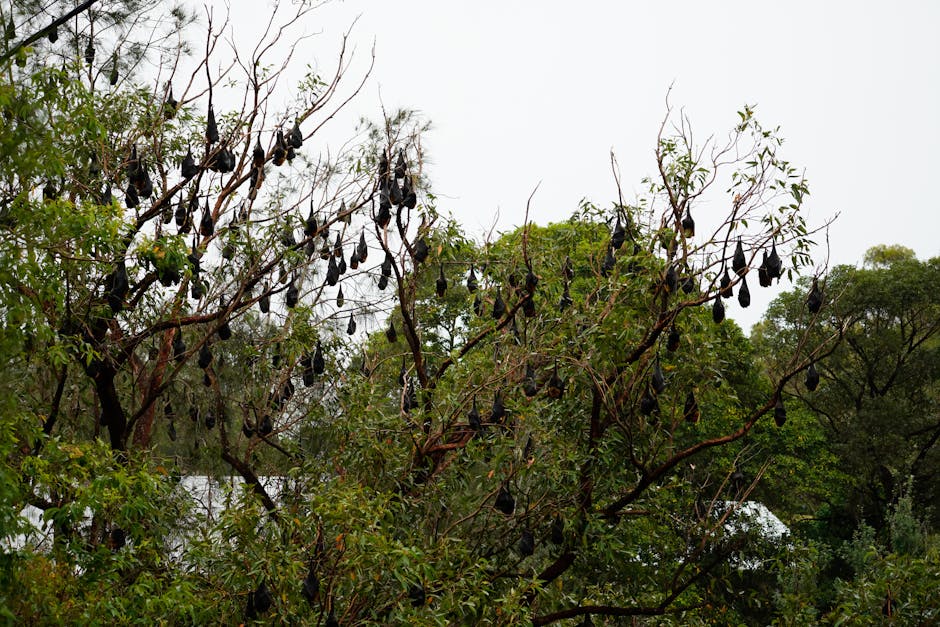
- Bats play a vital role in pollination and seed dispersal in many ecosystems, making their conservation crucial for biodiversity and ecosystem health.
- In Nigeria, cultural beliefs stigmatize bats as harbingers of evil or agents of witchcraft, leading to widespread persecution and habitat destruction.
- Bat expert Iroro Tanshi has been awarded a global prize for her tireless efforts in conserving bat populations in Nigeria.
- Tanshi’s work aims to educate the public about the importance of bats and challenge traditional beliefs that have led to their persecution.
- Conserving bats is a pressing issue globally, and Nigeria’s unique cultural context makes her work a crucial step towards promoting sustainable conservation practices.
In a country where bats are often associated with witchcraft and feared by many, one Nigerian ecologist has made it her mission to change the narrative and protect these vital creatures. Iroro Tanshi, a renowned bat expert, has been awarded a prestigious global prize for her tireless efforts in conserving bat populations in Nigeria. This achievement not only highlights Tanshi’s dedication but also brings attention to the crucial role bats play in the ecosystem, despite being heavily stigmatized in Nigerian culture. With her work, Tanshi aims to educate the public about the importance of bats and the need to conserve them, challenging traditional beliefs that have led to their persecution.
The Significance of Bat Conservation

The conservation of bats is a pressing issue globally, and Nigeria is no exception. Bats are key pollinators and seed dispersers in many ecosystems, and their loss could have severe consequences for biodiversity and ecosystem health. However, in Nigeria, the challenge is compounded by deep-seated cultural beliefs that view bats as harbingers of evil or agents of witchcraft. This misconception has led to widespread persecution of bats, with many Nigerians actively working to eradicate them from their communities. Tanshi’s work, therefore, is not just about saving bats but also about changing the cultural narrative and promoting a more inclusive and sustainable approach to conservation.
Iroro Tanshi’s Journey

Iroro Tanshi’s journey into bat conservation began with a fascination for these creatures and a desire to understand them better. Despite the societal norms and beliefs that shun bats, Tanshi was undeterred, recognizing the critical role bats play in maintaining healthy ecosystems. Her work involves extensive research into bat behavior, habitat preservation, and community engagement to change perceptions about bats. Tanshi has worked tirelessly to establish protected areas for bats and to educate local communities about the benefits of coexisting with these animals. Her dedication and innovative approaches to conservation have earned her international recognition, including the recent global prize for her contributions to bat conservation.
Understanding the Challenges
The challenges facing bat conservation in Nigeria are multifaceted, ranging from habitat destruction and hunting to the pervasive negative cultural beliefs about bats. Tanshi’s analysis of these challenges highlights the need for a comprehensive approach to conservation, one that addresses both the biological and social aspects of bat conservation. By working with local communities and involving them in the conservation process, Tanshi aims to build support for bat conservation and to create a cultural shift in how bats are perceived. This involves not just educating people about the ecological importance of bats but also addressing the economic and social factors that contribute to bat persecution.
Implications of Bat Conservation
The implications of Tanshi’s work extend far beyond the conservation of bat species; they speak to broader issues of biodiversity, ecosystem health, and sustainable development. As Nigeria and other countries face increasing environmental challenges, the conservation of key species like bats becomes ever more critical. Bats contribute to pest control, reducing the need for pesticides and maintaining crop health, which has direct benefits for agriculture and food security. Furthermore, preserving bat habitats helps in maintaining forest health and biodiversity, supporting a wide range of flora and fauna. Tanshi’s efforts, therefore, have the potential to impact not just bat populations but the well-being of entire ecosystems and the communities that depend on them.
Expert Perspectives
Experts in the field of conservation praise Tanshi’s work, noting that her approach to engaging local communities and challenging cultural beliefs is innovative and essential for the long-term success of bat conservation. Some highlight the challenges that remain, including the need for greater support from governmental and international organizations to scale up conservation efforts. Others emphasize the importance of Tanshi’s work in inspiring a new generation of conservationists, both in Nigeria and globally, to take up the cause of protecting misunderstood and often maligned species like bats.
Looking forward, the question remains as to how Tanshi’s work will inspire broader change in Nigeria and beyond. Will her efforts lead to a significant shift in cultural perceptions of bats, and can her model of community-led conservation be replicated in other contexts? As the world grapples with the challenges of biodiversity loss and ecosystem degradation, the story of Iroro Tanshi and her dedication to bat conservation offers a beacon of hope and a reminder of the power of individual action to drive change and protect the natural world.