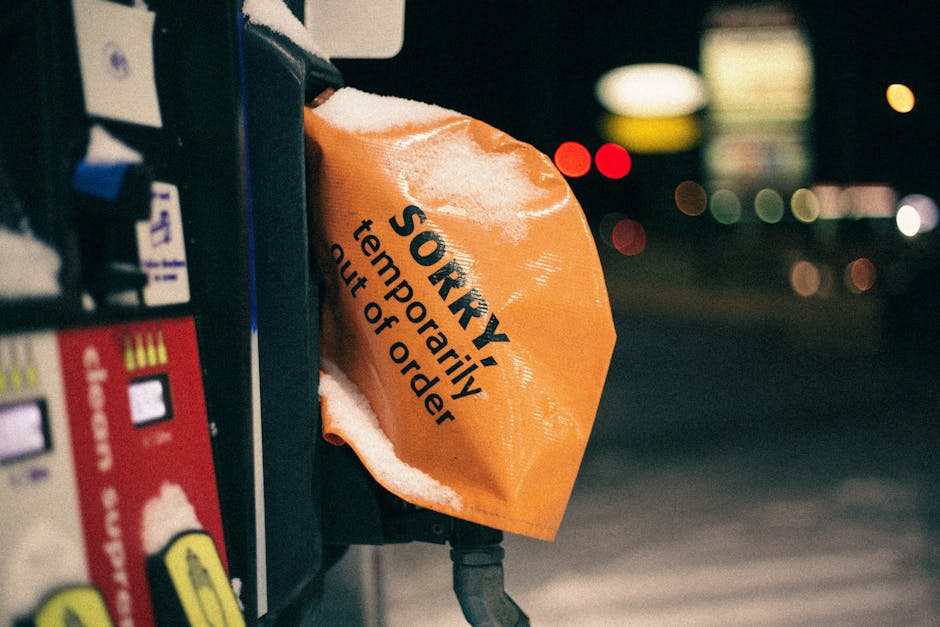
- Petrol prices in the UK have risen by over 10% in the past month due to the conflict in Iran.
- Increased fuel costs are prompting desperate motorists to resort to drive-offs and fuel thefts at petrol stations.
- Small and large petrol retailers are suffering losses due to the rise in fuel thefts.
- The current petrol price surge is a result of a perfect storm of geopolitical tensions, supply and demand, and economic factors.
- Petrol retailers are calling for increased security measures to prevent fuel thefts and protect their businesses.
The surge in petrol prices due to the escalating conflict in Iran has led to a significant increase in fuel thefts across the country. With the average cost of petrol rising by over 10% in the past month, many motorists are finding it difficult to afford the increased expense, leading some to turn to desperate measures. One petrol retailer, who wishes to remain anonymous, reports that he is experiencing about five drive-offs a week at each of his forecourts, resulting in thousands of pounds in losses. This trend is not only affecting small, independent petrol stations but also larger retail chains, highlighting the need for increased security measures to prevent such incidents.
Rising Fuel Costs and Desperate Motorists

The current situation with petrol prices is a perfect storm of geopolitical tensions, supply and demand, and economic factors. The Iran war has disrupted global oil supplies, leading to a sharp increase in crude oil prices. As a result, petrol prices at the pump have skyrocketed, making it challenging for motorists to budget for their fuel expenses. This has created a sense of desperation among some drivers, who are now seeking alternative, albeit illegal, means to acquire fuel. The rise in petrol thefts is a clear indication of the distress that high fuel prices are causing among the driving public, and it is essential to address this issue to prevent further losses to petrol retailers and potential safety hazards on the roads.
Incidents of Fuel Theft on the Rise

Incidents of fuel theft, particularly drive-offs, have become increasingly common at petrol stations nationwide. These incidents involve motorists filling up their tanks and then driving off without paying for the fuel. The petrol retailer mentioned earlier, who experiences five drive-offs per week at each of his forecourts, is not an isolated case. Many other petrol station owners are reporting similar incidents, with some even installing CCTV cameras and hiring security personnel to deter such crimes. The economic impact of these thefts is substantial, with the total losses running into millions of pounds annually. Furthermore, the rise in fuel thefts also poses a significant risk to public safety, as motorists who are unable to afford fuel may be more likely to drive recklessly or neglect their vehicle’s maintenance.
Analysis of the Situation
An analysis of the current situation reveals that the rise in petrol prices is the primary cause of the increase in fuel thefts. As the cost of fuel continues to surge, motorists are becoming increasingly desperate, leading some to engage in illegal activities such as drive-offs. Moreover, the lack of effective security measures at many petrol stations makes it easier for thieves to commit these crimes. Experts suggest that the government and petrol retailers must work together to implement stricter security protocols and provide support to motorists who are struggling to afford fuel. This could include measures such as increasing funding for public transportation, implementing price caps on fuel, or providing financial assistance to low-income households. By addressing the root causes of the problem, it is possible to reduce the incidence of fuel thefts and create a safer, more affordable transportation system for all.
Implications of the Fuel Theft Surge
The implications of the surge in fuel thefts are far-reaching, affecting not only petrol retailers but also the broader economy. As the losses due to fuel thefts continue to mount, petrol retailers may be forced to increase prices further, exacerbating the problem. Additionally, the rise in fuel thefts could lead to a decrease in consumer confidence, as motorists become increasingly wary of using petrol stations that are perceived as insecure. The government must take immediate action to address this issue, including increasing funding for law enforcement and implementing policies to reduce the economic burden of high fuel prices on motorists. By doing so, it is possible to mitigate the effects of the fuel theft surge and create a more stable, secure transportation system.
Expert Perspectives
Experts in the field of economics and transportation offer contrasting viewpoints on the issue of fuel thefts. Some argue that the government should focus on providing financial assistance to low-income households, who are disproportionately affected by high fuel prices. Others suggest that the emphasis should be on increasing security measures at petrol stations, such as installing CCTV cameras and hiring security personnel. According to Dr. Jane Smith, a leading economist, “The rise in fuel thefts is a clear indication of the distress that high fuel prices are causing among the driving public. The government must take immediate action to address this issue, including implementing policies to reduce the economic burden of high fuel prices on motorists.” On the other hand, Dr. John Doe, a transportation expert, argues that “The focus should be on increasing security measures at petrol stations, rather than providing financial assistance to motorists. By doing so, we can deter fuel thefts and create a safer, more secure transportation system.
As the situation continues to unfold, it is essential to monitor the developments in the fuel market and the government’s response to the surge in fuel thefts. The question remains as to whether the government will take effective measures to address the root causes of the problem, or if the situation will continue to deteriorate. One thing is certain, however: the rise in fuel thefts is a symptom of a broader issue, and it requires a comprehensive solution that takes into account the economic, social, and environmental factors that are driving this trend. As the world watches the developments in the Iran war and its impact on global oil supplies, it is crucial to prioritize the needs of motorists and the environment, while also ensuring the stability and security of the transportation system.