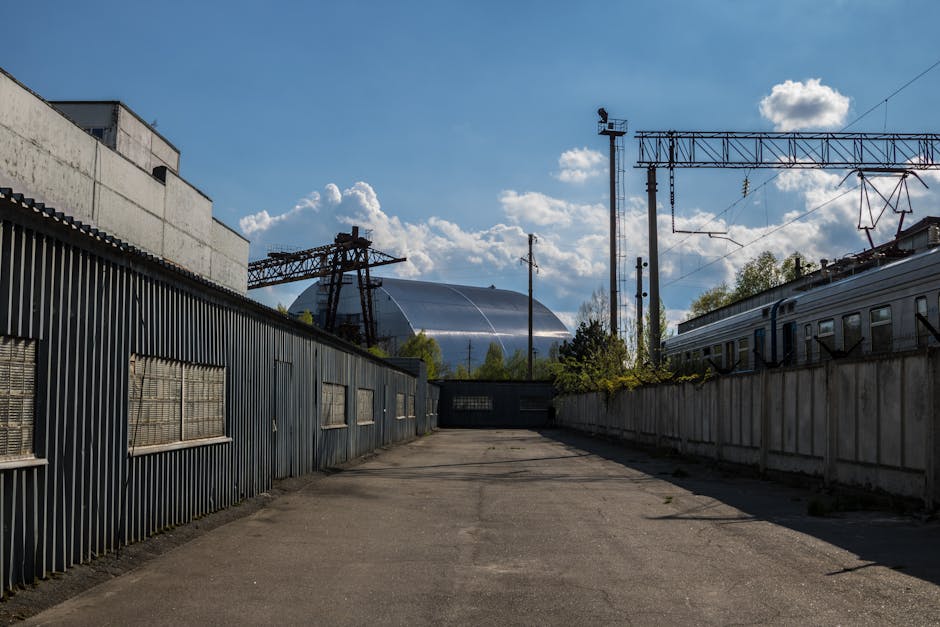
- Nuclear disasters are inevitable due to the risks associated with nuclear power, despite advancements in technology.
- The Chornobyl disaster in 1986 serves as a stark reminder of the dangers of nuclear power and its far-reaching consequences.
- Improvements in nuclear safety have not eliminated the risk of accidents, as the Fukushima Daiichi disaster in 2011 demonstrated.
- The consequences of a nuclear disaster can affect not only the environment but also human health and the economy.
- It is essential to learn from past nuclear disasters and prepare for potential risks associated with nuclear power technology.
The world marks forty years since the devastating Chornobyl nuclear disaster, a catastrophic event that highlighted the dangers of nuclear power. Despite advancements in technology, the risk of nuclear accidents remains, and experts warn that more disasters are inevitable. A recent study published in Nature underscores the importance of acknowledging and preparing for these unlikely but potentially devastating events. The consequences of a nuclear disaster can be far-reaching, affecting not only the environment but also human health and the economy.
The Legacy of Chornobyl

The Chornobyl disaster serves as a stark reminder of the dangers of nuclear power. On April 26, 1986, a safety test gone wrong led to a massive explosion, releasing radioactive materials into the atmosphere. The disaster resulted in the evacuation of over 100,000 people, with many more exposed to radioactive fallout. The incident also had significant environmental and economic impacts, with the surrounding area still feeling the effects today. As the world continues to rely on nuclear power, it is essential to learn from the past and prepare for the potential risks that come with this technology.
Nuclear Risks in the Modern Era

Despite improvements in nuclear safety, the risk of accidents remains. The Fukushima Daiichi nuclear disaster in 2011, triggered by a tsunami, highlighted the vulnerability of nuclear power plants to natural disasters. More recently, concerns have been raised about the safety of aging nuclear reactors, with many approaching or exceeding their original operating lifetimes. The increasing reliance on nuclear power to meet growing energy demands also raises concerns about the potential for human error, equipment failure, or other unforeseen events that could lead to a disaster.
Understanding the Consequences
A nuclear disaster can have severe and long-lasting consequences, affecting not only the immediate surrounding area but also the environment, human health, and the economy. Radioactive fallout can contaminate soil, water, and air, leading to widespread health problems and displacement of communities. The economic impacts can also be significant, with the cost of cleanup, compensation, and lost productivity running into billions of dollars. Furthermore, the psychological trauma caused by a nuclear disaster can have lasting effects on individuals and communities, making it essential to plan for and respond to these events effectively.
Preparing for the Inevitable
Given the potential risks and consequences of nuclear disasters, it is crucial to plan for the inevitable. This includes investing in robust safety measures, regular maintenance, and employee training to minimize the risk of human error. Governments and regulatory bodies must also establish and enforce strict safety standards, ensuring that nuclear power plants operate within safe parameters. Additionally, emergency response plans should be in place, with clear protocols for evacuation, containment, and cleanup in the event of a disaster. By acknowledging the risks and taking proactive steps to prepare, we can reduce the likelihood and impact of nuclear disasters.
Expert Perspectives
Experts in the field offer contrasting viewpoints on the risks and consequences of nuclear disasters. Some argue that the benefits of nuclear power, including zero greenhouse gas emissions during operation, outweigh the potential risks. Others emphasize the need for increased caution and investment in alternative energy sources to reduce reliance on nuclear power. As the debate continues, one thing is clear: planning for the inevitable is essential to mitigating the effects of nuclear disasters and ensuring a safe and sustainable energy future.
Looking ahead, it is essential to continue monitoring and addressing the risks associated with nuclear power. As the world transitions towards a low-carbon economy, the role of nuclear energy will likely remain significant. However, this must be balanced with a commitment to safety, sustainability, and responsible management of nuclear technology. By doing so, we can minimize the risks and maximize the benefits of nuclear power, creating a safer and more secure energy future for generations to come.