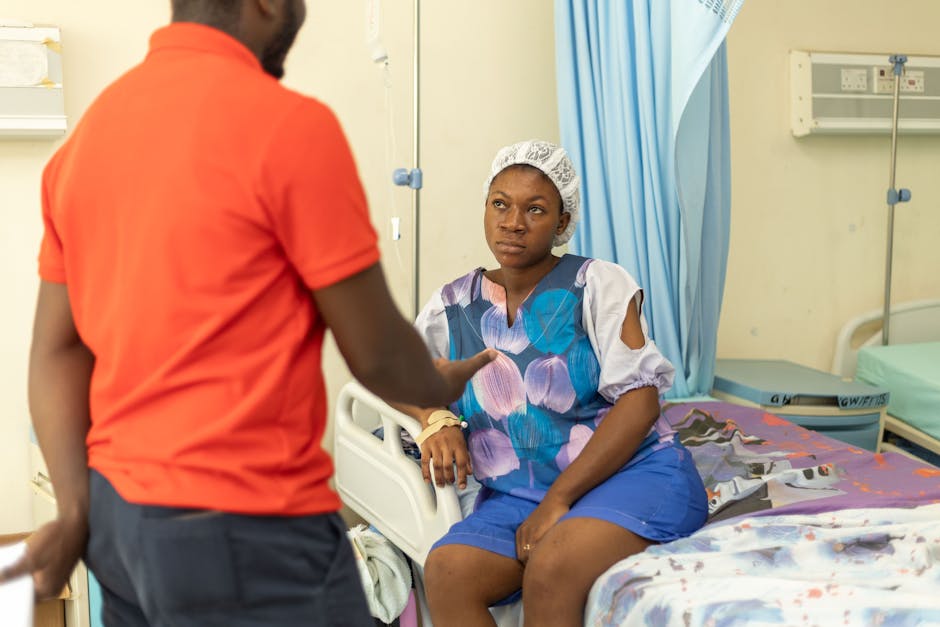
- Malaria deaths increased by over 600,000 in 2022, despite advancements in vaccine development and distribution.
- The World Health Organization emphasizes that the tools to end malaria exist, but funding and will are lacking.
- Malaria disproportionately affects low-income countries with limited access to healthcare and preventive measures.
- The disease is preventable and treatable, yet remains a major public health concern, especially in sub-Saharan Africa.
- Malaria costs African countries billions of dollars in lost productivity and healthcare expenditures each year.
According to the World Health Organization (WHO), there were over 600,000 reported deaths from malaria in 2022, marking a significant increase from the previous year. This rise in malaria deaths is particularly striking given the recent advancements in vaccine development and distribution. In fact, the WHO has emphasized that the tools to end this killer disease exist, but it is the money and the will that are lacking. The discrepancy between the availability of effective vaccines and the continued rise in malaria deaths highlights the need for a concerted effort to address the underlying issues hindering the global response to this disease.
The Malaria Burden

Malaria is a mosquito-borne disease that disproportionately affects low-income countries, where access to healthcare and preventive measures is often limited. The disease is caused by the Plasmodium parasite, which is transmitted through the bite of an infected Anopheles mosquito. Despite being preventable and treatable, malaria remains a major public health concern, with the majority of cases and deaths occurring in sub-Saharan Africa. The economic and social burden of malaria is substantial, with the disease estimated to cost African countries billions of dollars in lost productivity and healthcare expenditures each year. As such, the rise in malaria deaths is a pressing concern that requires immediate attention and action.
Vaccine Development and Distribution

In recent years, significant progress has been made in the development and distribution of malaria vaccines. The RTS,S vaccine, developed by GlaxoSmithKline, has been shown to be effective in preventing malaria in young children, and has been recommended by the WHO for use in areas with moderate to high transmission. Additionally, other vaccine candidates are in various stages of development, offering promise for even more effective prevention and control measures. However, despite these advancements, the rollout of malaria vaccines has been slow, with many countries facing challenges in accessing and distributing the vaccines to those who need them most. This has resulted in a significant gap between the number of people who could benefit from vaccination and those who are actually receiving it.
Challenges and Obstacles
Several challenges and obstacles are hindering the global response to malaria, including inadequate funding, weak healthcare systems, and insufficient political will. The WHO has estimated that an additional $2 billion per year is needed to achieve the global malaria targets, but current funding levels are significantly lower than this. Furthermore, many countries lack the infrastructure and resources needed to effectively distribute and administer malaria vaccines, as well as to provide timely and effective treatment to those who become infected. The lack of political will and commitment to addressing malaria is also a major concern, with many governments and international organizations failing to prioritize the disease and allocate sufficient resources to combat it.
Consequences and Implications
The rise in malaria deaths has significant consequences and implications for individuals, communities, and societies as a whole. The disease not only exacts a devastating toll on human life, but also has a profound impact on economic development, education, and social stability. In areas where malaria is prevalent, the disease can perpetuate a cycle of poverty and disadvantage, as individuals and families are forced to spend significant amounts of time and money on healthcare and lost productivity. The consequences of inaction will be severe, with the continued rise in malaria deaths undermining progress towards achieving the Sustainable Development Goals and threatening the health and well-being of millions of people around the world.
Expert Perspectives
Experts in the field of malaria research and control have emphasized the need for a renewed commitment to addressing the disease. According to Dr. Pedro Alonso, Director of the WHO Global Malaria Programme, “the rise in malaria deaths is a wake-up call for the global community to take action and invest in the fight against this killer disease.” Others have highlighted the importance of strengthening healthcare systems and improving access to preventive measures, such as bed nets and vaccines. As Dr. Philip Rosenthal, a malaria expert at the University of California, San Francisco, noted, “we have the tools to end malaria, but we need to use them more effectively and make them more widely available to those who need them most.”
Looking to the future, it is clear that a concerted effort will be needed to turn the tide against malaria. This will require increased funding, improved access to vaccines and preventive measures, and a strengthened commitment to addressing the underlying causes of the disease. As the global community comes together to address this pressing concern, one thing is certain: the fight against malaria will require sustained effort, dedication, and perseverance. The question remains, will the world rise to the challenge and make the necessary investments to end this killer disease, or will the rise in malaria deaths continue unabated?